Nature
Whale Watching from Shore at Cabrillo: A San Diego Field Guide
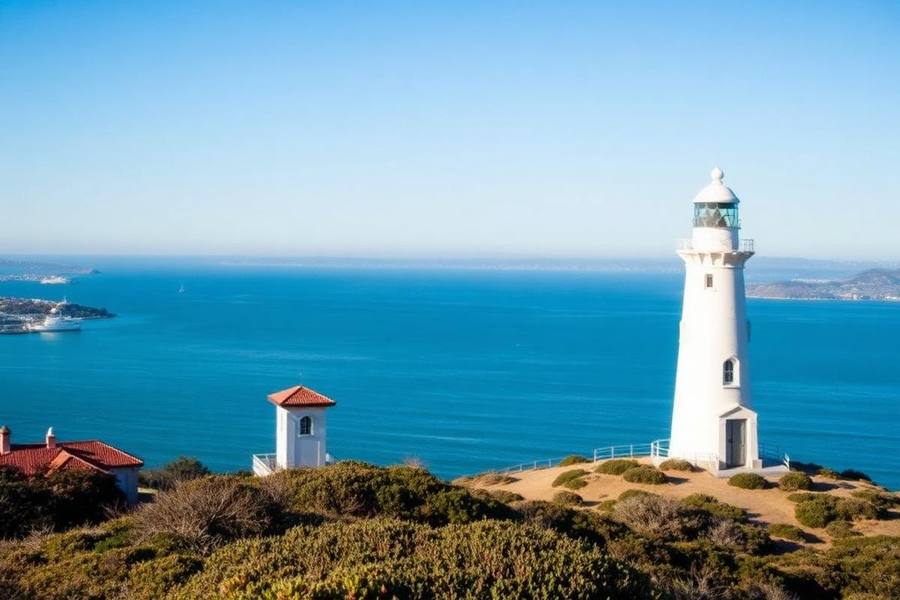
Plan a shore-based whale watch
A suggested half-day itinerary. Sightings depend on the migration, visibility and sea conditions; nothing guarantees a whale.
| Decision | Recommended plan |
|---|---|
| When | Mid-January for peak migration; late December through March can work |
| Where | Kelp Forest/Whale Overlook and Old Point Loma Lighthouse vicinity |
| Admission | $20 private vehicle; $10 individual on foot or bicycle, subject to pass rules |
| Gear | Binoculars, layers, sun protection, water |
| Time | Allow at least 45–60 minutes scanning, plus time for the park |
| Backup | Lighthouse and harbor views; tide pools only if tide and conditions allow |
Can you see whales without booking a boat?
Yes. Cabrillo National Monument sits high above the Pacific at the end of Point Loma, and the National Park Service identifies its western overlooks as good places to watch migrating gray whales. Mid-January is the seasonal peak for this location, with opportunities from mid-to-late December into March. A shore watch is particularly appealing if you get seasick or want an outing that does not revolve around a tour departure.
Do not confuse a free view of the ocean with free entrance to the park. NPS lists a $20 private vehicle fee and $10 per individual on foot or bicycle, with pass and youth exceptions. A private vehicle pass covers its occupants. The standard entry pass is valid for seven days; check official fee and pass rules before visiting.
The two viewing areas worth prioritizing
Start near the Old Point Loma Lighthouse and the Kelp Forest/Whale Overlook. Rather than immediately heading down to the water, use the elevation to view a broad section of ocean. Ask park staff about recent sightings, accessible viewpoints and any temporary closures. NPS notes that a limited supply of binoculars may be available during whale season; bring your own if possible.
Choose a clear, relatively calm day. A windy sea creates many whitecaps that look like spouts, while haze can obscure whales farther offshore. Winter mornings are a sensible starting point because surface conditions may be calmer, but there is no guaranteed hour when whales pass.
How to actually find a whale
Start with your naked eyes. Sweep the ocean from the right side of your view toward the left as you face west during the southbound migration. Divide the horizon into sections rather than waving binoculars around randomly. When something catches your eye, use a stable landmark such as a kelp patch or distant boat to remember the general area, then bring your binoculars up.
Look for a misty exhalation that rises above the surface and fades. Wait in that same area for the next surfacing rather than immediately switching to another patch of water. A dark curved back or a tail can help confirm what you saw. Wind-driven spray and whitecaps also create pale flashes; if you are uncertain, ask a ranger or watch for a repeating pattern.
A pair of ordinary handheld binoculars is enough to begin. Rest your elbows on your body or a safe railing if permitted to steady the view. Do not lean over barriers or approach cliff edges. For a child, point out a nearby fixed landmark first and then help them look for the movement beyond it.
Build a realistic half-day around the watch
Arrive during park hours and spend the first 45 to 60 minutes at an ocean-facing overlook. Take breaks if the horizon is difficult to scan. Afterward, see the lighthouse area and the views toward San Diego Bay. This way the trip is worthwhile even if you see no whales. The main park normally operates from 9 a.m. to 5 p.m. and is closed on Thanksgiving and Christmas Day; some areas close earlier. NPS requires visitors to leave by the gate closing time.
If you are bringing young children, plan shorter ten-minute scanning sessions with breaks rather than expecting an hour of stillness. Dress for the exposed bluff, not the temperature downtown. A warm layer, water and sun protection matter on clear winter days.
Can you combine the whale overlook with tide pools?
Yes, but the tide pools are a separate coastal area, not at the whale overlook. Check the NOAA predicted low tide and the park's current coastal access and closing times. If a suitable daylight low tide comes first, start with the pools; if the sea is rough or access is closed, skip them. Never move onto exposed rocks solely because the tide table shows a low number; waves and actual water levels can differ from predictions.
Wear grippy shoes, leave wildlife undisturbed, and follow ranger instructions. Do not schedule the tide pools as a mandatory second stop: they are more dependent on water conditions and access than the bluff viewing area.
Shore watch or a paid boat tour?
Choose shore viewing for an inexpensive group outing, flexible timing, a low-motion experience and good views regardless of sightings. A boat tour is a better fit if your priority is spending longer in whale habitat and getting closer views under responsible wildlife-viewing rules. Even a boat cannot promise a sighting. Check cancellation and weather policies before purchasing a ticket.
If you are visiting for several winter days, try the park on a calm day first. If you want a second chance, use our whale watching comparison guide to choose a tour. The point is to make the outing enjoyable even when wildlife does not cooperate.