Torrey Pines and UTC
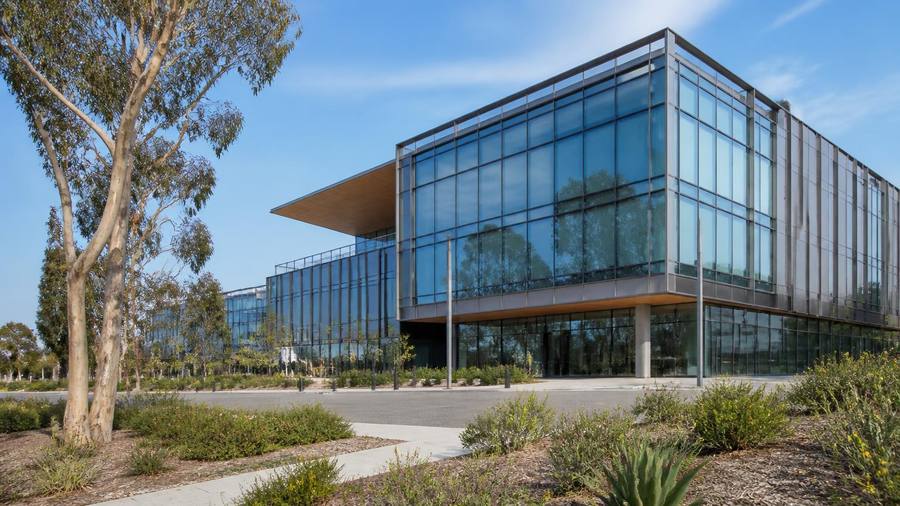
The prestige core — research institutes, genomics, and headquarters campuses sitting next to UC San Diego, Salk, and Scripps Research. Highest concentration of PhD-level and discovery roles, and the worst parking.
We use cookies for essential site functions and, with your permission, for analytics and advertising. California residents can opt out of the sale or sharing of personal information at any time. See our Privacy Policy, Cookie Policy, and Do Not Sell or Share My Personal Information.
Where the companies are, what the roles pay, why so much hiring runs through staffing agencies, and how outsiders actually get in.
Last updated
San Diego is one of the three largest life-science clusters in the United States, and almost all of it sits in a narrow corridor: Torrey Pines, UTC, Sorrento Valley, Sorrento Mesa, and increasingly Carlsbad and Oceanside in North County. The employers split into three tiers that hire very differently. Large public companies (Illumina, Dexcom, Thermo Fisher, Pfizer's local sites, BD) run structured req-based hiring with real HR pipelines and benefits. Mid-size and clinical-stage companies hire in bursts tied to funding rounds and trial milestones. And a large share of entry-level lab work — research associate, manufacturing associate, QC analyst — is filled through staffing agencies on contract-to-hire terms, which is the single biggest thing newcomers misunderstand about this market. Typical pay: research associate roles commonly land in the $55,000–$80,000 range, scientists with a PhD in the $110,000–$160,000 range, manufacturing and QC associates in the $45,000–$70,000 range, and regulatory, clinical, and quality specialists in the $90,000–$150,000 range depending on level. Commute matters more than people expect — a Sorrento Valley job from East County or South Bay is a punishing daily drive, and housing near the corridor is expensive.
| Role | Typical base range | Entry path |
|---|---|---|
| Manufacturing / production associate | $45k–$70k | Often the easiest door in; contract-to-hire, shift work common |
| Research associate I–II | $55k–$80k | BS in biology/chem plus hands-on technique; agencies place many of these |
| QC analyst | $55k–$85k | GMP environments; documentation discipline matters more than pedigree |
| Scientist (PhD) | $110k–$160k | Postdoc or industry experience; heavy internal-referral hiring |
| Clinical research associate | $80k–$120k | CRO experience or clinical coordinator background |
| Regulatory affairs specialist | $90k–$140k | Hard to hire for; a genuine leverage skill locally |
| Quality assurance / validation | $85k–$140k | Medical-device and GMP experience travels well between employers |
| Field service / applications | $70k–$110k plus travel | Instrument companies; a bench background converts well |
The corridor is real and it is narrow. Knowing which sub-cluster you are targeting changes your commute, your rent, and which recruiters see you.
The prestige core — research institutes, genomics, and headquarters campuses sitting next to UC San Diego, Salk, and Scripps Research. Highest concentration of PhD-level and discovery roles, and the worst parking.
The workhorse of the cluster: manufacturing, QC labs, device companies, and mid-size biotechs in low-rise business parks. Most entry-level lab jobs in the county are here, and the 5/805 merge governs your morning.
North County's life-science and medical-device pocket has grown steadily as lease rates pushed companies north. Worth targeting if you live in North County — the reverse commute is far more livable.
Increasingly where manufacturing, warehousing, and cold-chain logistics for life-science companies land, because the space is cheaper and more central.
A smaller but growing footprint for clinical-stage companies and biotech-adjacent software, drawn by the transit and the office market.
A very large share of San Diego lab hiring runs through a handful of scientific staffing agencies. That is not a scam — it is how the market is structured — but it changes your strategy.
Headcount approval is slow and funding is lumpy. Contract labor comes out of a different budget line, so a hiring manager who cannot get a req approved can often get a contractor next month.
Usually a 6- to 12-month assignment through the agency, paid hourly, with the agency's benefits rather than the company's. Conversion to full-time is common but never guaranteed — ask directly what percentage of their placements at that site converted last year.
Scientific staffing firms each hold different client relationships. Being in three databases roughly triples the reqs you are visible for, and they do not conflict unless two submit you to the same job.
Agencies quote hourly rates. Divide the salary you want by about 2,080 hours, then add for the weaker benefits — a $70,000 equivalent is not $33/hour when you are buying your own health plan.
Most agreements set a conversion fee or a minimum number of hours before the client can hire you directly. Know that number before you fall in love with the team.
The corridor is small and reputationally tight. Two or three good conversations beat two hundred applications, which is the opposite of how most people job hunt.
Hiring managers scan for specific instruments and methods: flow cytometry, HPLC, qPCR, cell culture, NGS library prep, ELISA, aseptic technique, GMP documentation. Put them in a skills block where a keyword filter and a human both find them.
The regional life-science trade association and its events are where hiring managers and recruiters actually stand around together. Student and job-seeker rates exist; ask.
UC San Diego Extension's certificate programs in regulatory affairs, clinical trials, and quality are widely recognized by local employers and are a common career-changer route into the corridor.
Everyone applies to the three companies they can name. The mid-size and clinical-stage companies hire more people per open req and interview faster, and they are where most of the corridor's headcount actually lives.
For a clinical-stage company, 'how long is your current cash runway and what is the next milestone?' is a normal, respected question. Layoffs in this cluster follow failed readouts and missed raises.
No. The majority of jobs in the corridor are not PhD roles. Manufacturing, QC, quality, regulatory, clinical operations, supply chain, facilities, and field service all hire on experience and training rather than a doctorate. A PhD is essentially required for independent discovery-science roles and helps for senior scientific leadership, but it is not the ticket in.
Hiring in this cluster moves in cycles tied to venture funding, interest rates, and clinical readouts, and it has been choppier since the 2022 peak. Manufacturing, quality, and regulatory demand has held up better than early discovery research. Check current openings directly rather than trusting any article's snapshot, including this one.
Yes, most reliably through the functions that transfer: quality, supply chain, manufacturing operations, facilities, IT, data, finance, and project management. Coming from aerospace or medical device manufacturing is a particularly short jump because the regulated-documentation mindset is the same.
Large employers often offer a lump-sum relocation package for mid-level and above roles; contract and entry-level lab positions almost never do. Factor in that housing near the corridor is among the most expensive in the county before accepting a number that sounded generous elsewhere.
Common choices are Mira Mesa, Clairemont, Carmel Valley, Del Mar Heights, and Rancho Peñasquitos for a short drive, or North County coastal with the Coaster and a shuttle for people who want the beach town tradeoff. Living south or east of downtown means a genuinely rough commute at peak hours.
The overview: where hiring happens and how to break in.
Pay ranges by industry and role across the county.
Who actually employs people here, sector by sector.
The other side of the white-collar market.
Relocation costs, neighborhoods, and surprises.
The Sandi Spots Newsletter
New beach finds, hidden taco shops, weekend events, and seasonal guides — once a week from a local. No spam, ever.
One email a week. Unsubscribe anytime.
Published by the Sandi Spots Editorial team at Sleep Coast LLC. Guides combine local perspective and source research. Check the individual guide for firsthand observations and follow official links to confirm current details.