Sandi Spots
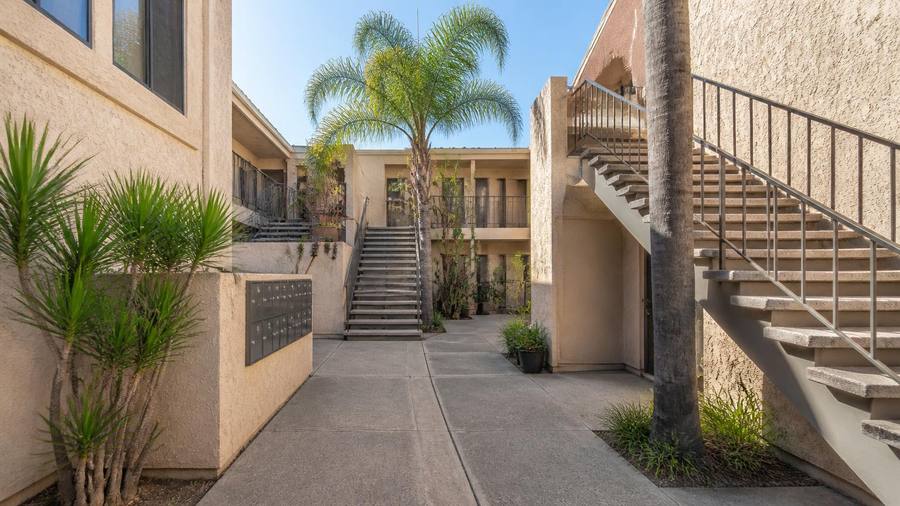
    Sunlit courtyard of a stucco San Diego apartment building with exterior staircases, mailboxes, and palm trees

    San Diego Renters' Rights and Tenant Protections

    Rent caps, just-cause rules, deposit law, and the free help most renters here never find out about.

    Last updated

    Quick answer

    Three layers of law can apply to a San Diego rental at once. Statewide, the California Tenant Protection Act caps annual rent increases at 5 percent plus local CPI, up to a 10 percent ceiling, and requires a just cause to end a tenancy after twelve months — but it exempts single-family homes owned by individuals (when properly noticed), owner-occupied duplexes, and buildings under fifteen years old. On top of that, the City of San Diego's Residential Tenant Protections Ordinance extends just-cause coverage further, requires relocation assistance for most no-fault terminations, and demands longer notice than state law. Separately, California cut the maximum security deposit to one month's rent for most landlords as of mid-2024, and landlords must return the deposit with an itemized statement within 21 days of move-out. Habitability is not waivable: heat, hot water, working plumbing, weatherproofing, and pest-free premises are required no matter what the lease says. If something goes wrong, put every request in writing, keep photos with dates, and call Legal Aid Society of San Diego before you move out or stop paying — the free help here is unusually good and most tenants never call it.

    Key tenant rules that apply in the City of San Diego, 2026

    RuleWhat it saysNotes
    Annual rent increase cap5% + local CPI, max 10%Applies to covered units under AB 1482
    Just cause requiredAfter 12 months of tenancyCity ordinance extends coverage further
    Notice to raise rent 10% or less30 daysWritten notice required
    Notice to raise rent over 10%90 daysRare under the cap, but applies to exempt units
    Security deposit maximum1 month's rentSmall landlords have a narrow exception
    Deposit return deadline21 days after move-outItemized statement plus receipts over $125
    No-fault relocation assistanceOften 2–3 months' rentCity ordinance; amount depends on the reason
    Entry notice by landlord24 hours written, normal hoursEmergencies excepted
    Retaliation window180 days after a complaintPresumed retaliatory in that period

    What your landlord can and cannot do

    Raise the rent — within limits

    For covered units, no more than 5 percent plus regional CPI in any twelve-month period, capped at 10 percent, and no more than two increases per year. Increases of 10 percent or less need 30 days' notice; above that, 90 days.

    End a tenancy — only with a stated reason

    After a year, they need just cause. At-fault causes are things like nonpayment or lease violation. No-fault causes — owner move-in, substantial remodel, withdrawal from the rental market — usually trigger relocation assistance under the city ordinance.

    Enter your unit — with notice

    24 hours written notice during normal business hours for repairs, showings, or inspections. No notice is required only for genuine emergencies. Repeated unannounced entry is harassment and is actionable.

    Keep your deposit — only for real damage

    Normal wear and tear is not chargeable. Faded paint, worn carpet from ordinary use, and small nail holes are wear; a broken door or pet-destroyed carpet is damage. You are entitled to a pre-move-out inspection if you ask for it.

    Not retaliate

    If you report a code violation or request a repair, a rent increase or eviction attempt within 180 days is presumed retaliatory. Document the date of your complaint — that date is your protection.

    Not discriminate

    Beyond federal protected classes, California bars discrimination based on source of income, which includes Section 8 vouchers. 'No vouchers' language in an ad is illegal here.

    What to do when something goes wrong

    Put the repair request in writing

    Text or email is fine and better than a phone call because it timestamps itself. Describe the problem, the date, and the effect. Save photos in the same thread.

    Do not stop paying rent first

    Repair-and-deduct and rent withholding have narrow legal requirements and doing them wrong hands the landlord a valid nonpayment case. Get advice before you withhold anything.

    Call the city's code enforcement for habitability

    Mold, no heat, no hot water, pest infestation, and broken locks are code issues. An inspection record is powerful evidence and it costs you nothing.

    Use Legal Aid Society of San Diego

    Free counsel for income-qualifying tenants on evictions, deposits, habitability, and discrimination. They are the single most useful phone number on this page.

    Respond to an eviction notice immediately

    An unlawful detainer summons gives you five court days to respond. Missing that window means a default judgment, which is far harder to undo than defending on time.

    Take dated move-in and move-out photos

    Photograph every room, the appliances, and the flooring on both ends of the tenancy. This one habit resolves most deposit disputes before they start.

    Renting in San Diego, practically

    Moving companies

    What a local move costs and how to avoid the bait-and-switch quote.

    Rent vs. buy math

    If you are debating whether to stop renting, run these numbers first.

    How to verify anything on this page

    • • Prices and rents move. Treat every dollar figure here as a mid-2026 San Diego County snapshot for orientation, then check current listings, a lender quote, and a real HOA statement before you make a decision.
    • • Agent licenses are public. Look up any agent or broker by name or license number in the California Department of Real Estate license lookup, which shows status, expiration, and any disciplinary history.
    • • Tenant protections stack. State law (the California Tenant Protection Act), the City of San Diego's own ordinance, and county rules can all apply to the same unit. Which ones cover you depends on the building's age, type, and location, so confirm your specific address rather than assuming.
    • • Free legal help exists. Legal Aid Society of San Diego and the San Diego Tenants Union take renter questions at no cost, and the city's Housing Instability Prevention Program handles some emergency cases.
    • • Down payment assistance programs open and close with funding. The San Diego Housing Commission, the County of San Diego, and CalHFA all run separate programs with separate waitlists — check each one directly rather than relying on a lender's summary.
    • • Nothing here is legal, tax, or financial advice. It is a starting map so you know what to ask a professional.

    Frequently asked

    How much can my rent go up in San Diego?

    For units covered by the California Tenant Protection Act, the cap is 5 percent plus the regional CPI increase, with a hard ceiling of 10 percent in any twelve-month period, and no more than two increases per year. Some units are exempt — most notably single-family homes owned by individuals with proper written notice, owner-occupied duplexes, and buildings less than fifteen years old.

    Can my landlord evict me without a reason?

    Not once you have lived there twelve months and the unit is covered. They must state a just cause. No-fault reasons like owner move-in or substantial remodel are allowed but generally require relocation assistance under the City of San Diego ordinance, and the notice periods are longer than state minimums.

    How much security deposit can a landlord charge?

    As of July 2024, California limits most security deposits to one month's rent regardless of whether the unit is furnished. A narrow exception exists for very small landlords who own no more than two properties with four or fewer units total. The deposit must be returned with an itemized statement within 21 days of move-out.

    What counts as normal wear and tear?

    Faded paint, minor scuffs, worn carpet traffic patterns, and small nail holes are wear and cannot be deducted. Holes in drywall, broken fixtures, pet damage, and stains that require replacement are damage and can be. You have the right to request a pre-move-out inspection so you can fix issues before they become deductions.

    My landlord will not fix something. What can I do?

    Put the request in writing, give a reasonable time, and if nothing happens call city code enforcement for an inspection. Repair-and-deduct exists but has strict limits, and withholding rent incorrectly can get you evicted. For anything serious, call Legal Aid Society of San Diego before acting.

    Is there free legal help for renters in San Diego?

    Yes. Legal Aid Society of San Diego handles eviction defense, habitability, deposits, and discrimination for income-qualifying tenants. The San Diego Tenants Union offers counseling and organizing support, and the city runs housing instability programs for emergency cases. None of these require you to pay.

    Keep reading

    The Sandi Spots Newsletter

    San Diego, in your inbox.

    New beach finds, hidden taco shops, weekend events, and seasonal guides — once a week from a local. No spam, ever.

    One email a week. Unsubscribe anytime.

    About this guide

    Written and fact-checked by the Sandi Spots Editorial team — San Diego residents publishing under Sleep Coast LLC. Every place we recommend has been visited in person or verified against an official source, and no business can pay for inclusion or a higher ranking. Last updated .

    Local, first-hand. Reported on the ground in San Diego County.
    Kept current. Prices, hours, and closures reviewed on a rolling basis.
    Independent. Affiliate links never influence rankings.

    Editorial policy · About us · Suggest a correction