One person, one whole-home license
Licenses go to natural persons, not LLCs, and a host can hold only one Tier 3 or Tier 4 license. That structurally blocks portfolio operators.
We use cookies for essential site functions and, with your permission, for analytics and advertising. California residents can opt out of the sale or sharing of personal information at any time. See our Privacy Policy, Cookie Policy, and Do Not Sell or Share My Personal Information.
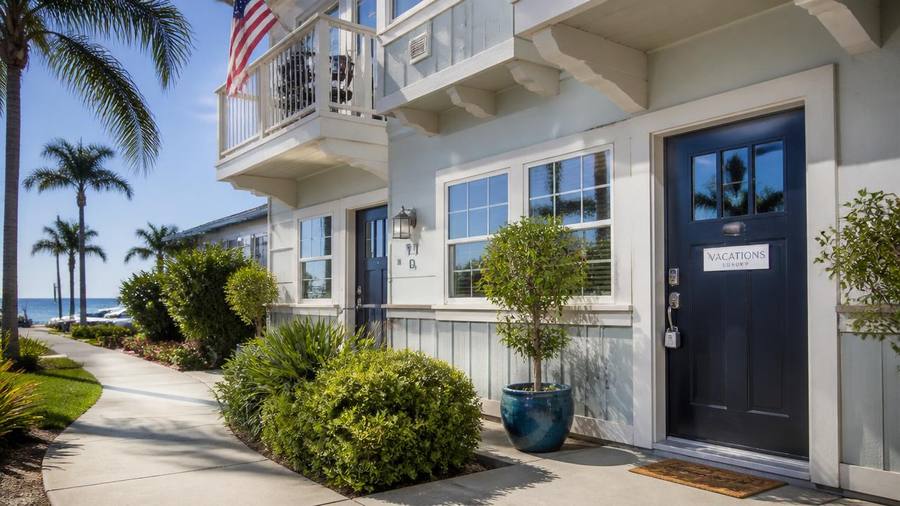
What it takes to legally rent a home for under a month — and where it's effectively impossible.
Last updated
In the City of San Diego, any rental of a dwelling for less than one month requires a Short-Term Residential Occupancy license, and the type you need depends on how the home is used. Tier 1 covers rentals of 20 days or fewer per year, Tier 2 covers home-sharing and any rental where the host lives on site, Tier 3 covers whole-home rentals outside Mission Beach, and Tier 4 covers whole-home rentals in Mission Beach. Tiers 3 and 4 are capped — roughly one percent of the city's housing units citywide plus about 30 percent of Mission Beach units — so those licenses are awarded by lottery and then held on a waitlist, and they are tied to the host, not the property. Licensees must be a natural person, may hold only one whole-home license, must use the property as their primary residence for Tier 2, must collect and remit transient occupancy tax plus the rental unit business tax, must post the license number in every listing, and must provide a local contact who can respond within an hour. Outside city limits the rules are entirely different: Coronado and Del Mar tightly restrict or effectively ban them, Carlsbad limits them to the coastal zone, and unincorporated county areas run their own permit program.
| Tier | What it covers | Capped? |
|---|---|---|
| Tier 1 | Whole-home or room rentals totaling 20 days or fewer per year | No cap |
| Tier 2 | Home sharing — you live on site during the stay, primary residence required | No cap |
| Tier 3 | Whole-home rentals more than 20 days a year, anywhere except Mission Beach | Capped, lottery and waitlist |
| Tier 4 | Whole-home rentals more than 20 days a year in Mission Beach | Capped separately, lottery and waitlist |
| No license | Rentals of 31 days or more are not short-term and fall outside STRO | Not applicable |
Rates and availability change daily, so we link the guide rather than quote a price. Each page compares walkable, short-drive and budget options with parking and resort fees called out.
Most enforcement cases are not about the license itself — they're about these conditions.
Licenses go to natural persons, not LLCs, and a host can hold only one Tier 3 or Tier 4 license. That structurally blocks portfolio operators.
Home sharing requires that the dwelling be your primary residence and that you be on site for the stay. Renting the whole place while you're away is a Tier 3 activity.
Airbnb, Vrbo, and direct listings must display the license number. Platforms remove listings without a valid one.
You must name a contact reachable by phone who can respond to complaints and be on site quickly. This is the most common compliance gap.
Transient occupancy tax applies to stays under one month, plus the rental unit business tax and, in some areas, tourism assessments. Platforms may collect TOT but the liability is yours.
Noise, parking, and trash violations attach to the license. Repeat substantiated complaints can lead to revocation and a multi-year bar on reapplying.
Occupancy is capped based on bedrooms, and guests are expected to park on site where parking exists. Beach-area complaints are usually parking complaints.
For capped tiers, an application is an entry, not an approval.
The city opens application periods and runs a randomized lottery when demand exceeds the cap, which it always has for Mission Beach.
Long-standing hosts who have continuously renewed generally keep their licenses, so new supply only appears when someone exits.
Unsuccessful applicants land on a ranked waitlist and get offered licenses as they're released. Waits are measured in years in the beach communities.
A license belongs to the host. Buying a home that was operating as a rental does not get you the right to keep operating it.
Annual application and per-license fees, plus the business tax certificate, are ongoing costs. Missing a renewal can drop you back to the waitlist.
Crossing a city line changes the answer completely.
Extremely restrictive — minimum stays and a licensing regime designed to eliminate nightly rentals. Assume you cannot operate a typical STR here.
Both limit short-term rentals sharply, with minimum stay lengths and zone restrictions that rule out most homes.
Permitted only within the coastal zone with a registered permit and TOT collection. Inland Carlsbad is off limits.
Requires a short-term rental permit with TOT registration, with density and zone constraints.
Both run permit programs with caps or zone limits — more workable than the North County coastal cities but far from unrestricted.
Chula Vista licenses short-term rentals with TOT; several inland cities have no program at all, which usually means not allowed rather than freely allowed.
Places like Julian, Alpine, Ramona, and Borrego Springs fall under county rules with their own permit and TOT requirements.
Even with a license, beach-area math is tighter than the gross nightly rate suggests.
Transient occupancy tax is collected from guests and owed to the city. Treating it as income is the fastest route to a painful audit.
A standard homeowners policy generally excludes commercial short-term rental use. You need a rental endorsement or a dedicated policy.
High-turnover beach rentals run heavy cleaning, linen, and maintenance costs. Model on net after turnover, not on the listing price.
June through September carries the year in the beach communities. Winter occupancy in Mission Beach and Pacific Beach drops hard.
Monthly furnished rentals fall outside STRO entirely and are how many owners in restricted cities operate legally.
Yes, in the City of San Diego any stay under one month requires a Short-Term Residential Occupancy license, even if you only rent a few weekends a year. Rentals of 20 days or fewer annually use the uncapped Tier 1 license.
Tier 4 licenses are capped at roughly 30 percent of Mission Beach dwelling units and demand has consistently exceeded that, so new applicants join a ranked waitlist and typically wait years for a release.
No. The ordinance requires the licensee to be a natural person, and one host may hold only one whole-home license. Ownership can sit in an entity, but the license cannot.
No. The license is tied to the host, not the property, so a buyer must apply on their own and will face the same caps and waitlist.
Transient occupancy tax on stays under a month, the rental unit business tax, and applicable tourism assessments. Booking platforms may remit TOT on your behalf, but the legal obligation stays with you.
Effectively no for nightly stays. Both cities impose minimum stay lengths and licensing rules designed to prevent typical vacation rental operation, so owners there usually rent monthly instead.
The city issues civil penalties per violation, platforms delist unlicensed listings, and repeat violations can bar you from obtaining a license later.
Costs, timelines, and what fits on a typical SD lot.
How to get plans through the city and your association.
Why quotes vary block to block and what to do about it.
Payback math under NEM 3.0, with and without a battery.
What SDG&E, water, and trash actually run per month.
Rates, Mello-Roos, and supplemental bills explained.
Long-term rent benchmarks to compare against STR yield.
The Sandi Spots Newsletter
New beach finds, hidden taco shops, weekend events, and seasonal guides — once a week from a local. No spam, ever.
One email a week. Unsubscribe anytime.
Published by the Sandi Spots Editorial team at Sleep Coast LLC. Guides combine local perspective and source research. Check the individual guide for firsthand observations and follow official links to confirm current details.