Distance to vegetation
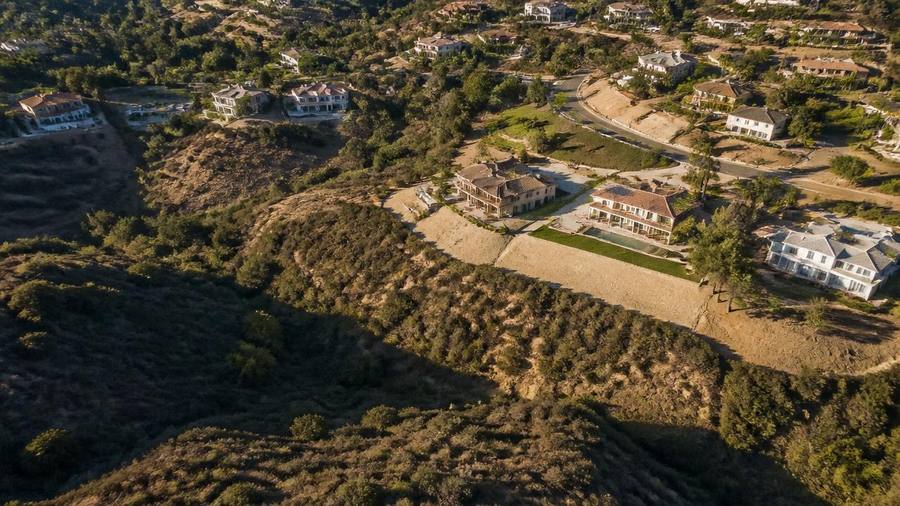
Models measure how close continuous brush and canyon fuel sit to the structure. A canyon-rim lot can price like the backcountry even inside city limits.
We use cookies for essential site functions and, with your permission, for analytics and advertising. California residents can opt out of the sale or sharing of personal information at any time. See our Privacy Policy, Cookie Policy, and Do Not Sell or Share My Personal Information.
Why two houses a mile apart get quotes that differ by thousands.
Last updated
San Diego's insurance market splits sharply along wildfire lines. Coastal and urban-core homes in Pacific Beach, North Park, or Chula Vista usually get standard admitted-carrier coverage at ordinary rates, while homes in the backcountry and canyon-adjacent hillsides — Alpine, Ramona, Julian, Jamul, Fallbrook, Rancho Santa Fe, Poway's edges, Scripps Ranch canyon rims — increasingly get non-renewed and end up on surplus-lines policies or the California FAIR Plan paired with a difference-in-conditions policy. Flood is a separate product entirely: standard homeowners policies exclude it, and while much of the county sits outside mapped high-risk zones, low-lying areas near the San Diego River, Mission Valley, Sorrento Valley, Otay River, and parts of Imperial Beach and Oceanside do carry FEMA Special Flood Hazard Area designations that make flood insurance a lender requirement. The controllable variables are mitigation and shopping: defensible space, Class A roofing, ember-resistant vents, and a Wildfire Prepared Home designation can meaningfully cut wildfire premium, and rates differ enough between carriers that getting three or four quotes is worth more than any single upgrade.
| Area type | Insurance reality | What to expect |
|---|---|---|
| Coastal urban (PB, OB, La Jolla flats) | Standard carriers available | Normal rates; salt air and older wiring drive inspections |
| Urban core (North Park, Hillcrest, Golden Hill) | Standard carriers available | Older homes may need roof or panel updates to qualify |
| Canyon rim (Scripps Ranch, Del Cerro, Tierrasanta) | Mixed; some non-renewals | Brush clearance documentation matters a lot |
| Inland suburban (Poway, Santee, Chula Vista east) | Mostly standard, tightening | Wildfire score varies parcel to parcel |
| Backcountry (Alpine, Ramona, Julian, Jamul) | FAIR Plan plus DIC common | Higher premium, lower limits, separate liability layer |
| River valleys and low coastal (Mission Valley, Sorrento Valley, IB) | Flood insurance often required | Separate NFIP or private flood policy |
Carriers score your specific parcel, not your city.
Models measure how close continuous brush and canyon fuel sit to the structure. A canyon-rim lot can price like the backcountry even inside city limits.
Homes above a slope in a Santa Ana wind corridor score worse because fire runs uphill and embers travel far ahead of the flame front.
Class A roofing and ember-resistant vents are among the few things you can change that carriers reliably credit.
Response distance, road width, and hydrant availability all feed the score, which is why rural parcels price hardest.
Firewise USA community status and area-wide fuel treatment can improve scoring for every home in the area.
A prior wildfire or water claim on the property follows it through industry databases and narrows your carrier options.
There's a ladder to work down, in this order.
Appetite differs enormously by carrier and changes year to year. An independent broker who writes many carriers is worth more than any single quote.
Non-admitted carriers accept higher-risk homes at higher premiums with fewer regulatory protections. Read exclusions carefully.
California's insurer of last resort covers fire and smoke only, with coverage caps. It's real coverage, not a placeholder, but it isn't complete.
A difference-in-conditions policy adds liability, theft, water damage, and the perils the FAIR Plan excludes. Buying FAIR Plan alone leaves large gaps.
A Wildfire Prepared Home designation from IBHS documents hardening work and is increasingly recognized in California rating plans.
The market moves. A home that only qualified for FAIR Plan two years ago can sometimes return to an admitted carrier after mitigation.
Prioritize by what carriers underwrite, not by what looks tidy.
Remove combustible mulch, plants, and stored items against the wall. Ember ignition near the foundation is the top loss driver.
Lean, clean, and green out to 30 feet and reduced fuel out to 100 feet. Keep dated photos of the work as documentation.
Eighth-inch metal mesh or listed ember-resistant vents on attic and crawl-space openings. Cheap and highly credited.
Wood shake is nearly uninsurable in high-risk areas. Gutter guards prevent the debris pile that ignites the eave.
Radiant heat breaks single-pane glass and lets embers inside. Windows are the second most common ignition path after vents.
Open eaves and wood decks trap embers. Boxing eaves and switching decking material are meaningful hardening steps.
Three separate exposures your homeowners policy handles differently.
Homeowners policies exclude flood. Buy through NFIP or a private flood carrier, and note the standard 30-day waiting period.
Special Flood Hazard Area designations near the San Diego River, Mission Valley, Sorrento Valley, Otay River, and low-lying Imperial Beach and Oceanside trigger lender requirements.
Much of the county floods from intense winter storms and urban drainage failures rather than mapped riverine flooding. Preferred-risk policies are inexpensive.
Bluff-top homes in Del Mar, Solana Beach, and Encinitas face land movement and erosion exclusions that no standard policy covers.
California Earthquake Authority coverage is optional with a high deductible. Older unretrofitted homes benefit most from a soft-story or foundation bolting retrofit.
Supply-line and slab-leak claims are far more common than fire. Automatic shutoff valves earn discounts and prevent the worst losses.
Carriers price wildfire risk parcel by parcel using vegetation proximity, slope, wind exposure, construction materials, and fire service access. Canyon-adjacent and backcountry homes score much worse than coastal and urban-core homes, and several carriers have reduced writing in those areas entirely.
It's the state's insurer of last resort, covering fire and smoke with coverage limits. You use it when no admitted or surplus carrier will write your home, and you should pair it with a difference-in-conditions policy to restore liability, theft, and water coverage.
Only if your home sits in a FEMA Special Flood Hazard Area and you have a federally backed mortgage. Areas near the San Diego River, Mission Valley, Sorrento Valley, the Otay River, and low-lying Imperial Beach and Oceanside are the usual triggers.
Yes, when it's documented. Zone 0 clearance in the first five feet, ember-resistant vents, a Class A roof, and an IBHS Wildfire Prepared Home designation are the items carriers most consistently credit.
Backcountry and wildland-interface communities including Alpine, Ramona, Julian, Jamul, Descanso, Fallbrook, and canyon-rim pockets of Poway, Scripps Ranch, and Rancho Santa Fe.
It's optional and separate. The Rose Canyon fault runs through the city, so it's a real exposure, but high deductibles mean many owners instead invest in foundation bolting and soft-story retrofits.
Tiers, caps, the lottery, and what hosts actually pay.
Costs, timelines, and what fits on a typical SD lot.
How to get plans through the city and your association.
Payback math under NEM 3.0, with and without a battery.
Zones, alerts, and how to leave early.
What SDG&E, water, and trash actually run per month.
Rates, Mello-Roos, and supplemental bills explained.
The Sandi Spots Newsletter
New beach finds, hidden taco shops, weekend events, and seasonal guides — once a week from a local. No spam, ever.
One email a week. Unsubscribe anytime.
Published by the Sandi Spots Editorial team at Sleep Coast LLC. Guides combine local perspective and source research. Check the individual guide for firsthand observations and follow official links to confirm current details.