Sandi Spots
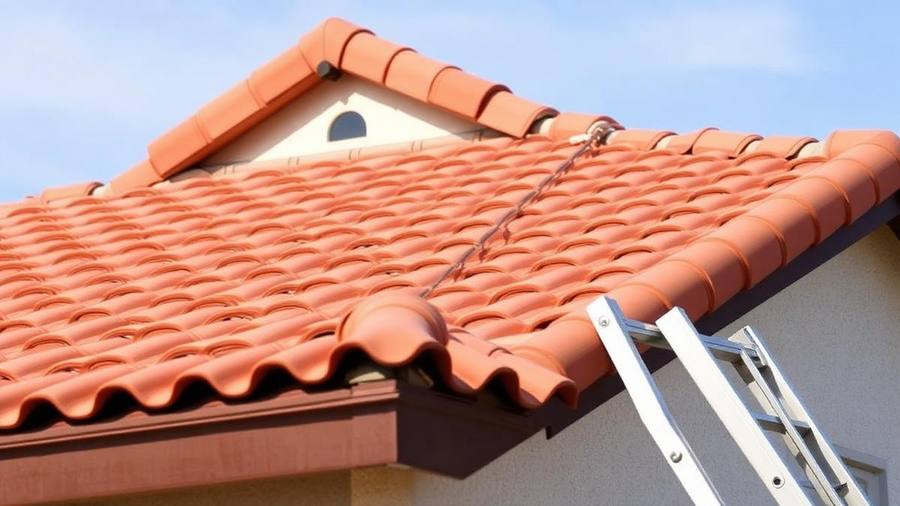
    New red clay tile roof with a ladder resting against the eave on a San Diego home

    What a New Roof Costs in San Diego, by Material

    Tile, shingle, and flat roofs — what each really costs here and what the sun does to them.

    Last updated

    Quick answer

    A shingle re-roof on a typical 1,800 sq ft San Diego home runs about $11,000–$20,000, concrete tile $18,000–$35,000, clay tile $25,000–$50,000, and a flat TPO or torch-down roof $10,000–$22,000. Our climate is deceptively hard on roofs: constant UV cooks asphalt shingles to a 20–25 year life, coastal salt air corrodes fasteners and flashing, and the two or three real storms a year find every failure at once. Tile roofs frequently need only an underlayment replacement — the tiles get lifted, stacked, and reset over new underlayment for roughly 60–70% of a full tear-off. Re-roofs require a permit, and California's Title 24 cool-roof requirements apply to most replacements. Verify a C-39 roofing license, get three bids that specify underlayment type and flashing details, and never pay more than the legal 10% or $1,000 deposit.

    San Diego roof replacement costs by material

    MaterialCost per sq ft installedExpected life
    Architectural asphalt shingle$6–$1120–25 years here
    Concrete tile$10–$1940–50 yrs (underlayment 20–25)
    Clay tile$14–$2850+ yrs (underlayment 20–25)
    Standing seam metal$14–$2640–60 years
    TPO / single-ply flat$6–$1220–25 years
    Torch-down modified bitumen$5–$1015–20 years
    Tile underlayment replacement$7–$13Reuses existing tile
    Roof repair (small leak)$400–$1,500Flashing and cracked tile are the usual causes
    Permit$300–$900Varies by city and valuation

    What actually fails on San Diego roofs

    Underlayment, not tile

    Concrete and clay tile outlive the felt beneath them by decades. If your tile roof leaks at 25 years, you almost certainly need a lift-and-relay underlayment job, not new tile — and any roofer pushing full tile replacement should explain why.

    Flashing and penetrations

    Chimneys, skylights, vents, and wall transitions cause the large majority of leaks. Ask specifically what flashing is being replaced, not just the field material.

    Salt-air corrosion

    Within a few miles of the water, galvanized fasteners and flashing rust out early. Specify stainless or heavy-gauge coated metal on coastal jobs.

    UV degradation

    Our sun shortens asphalt shingle life relative to the manufacturer's rating. A '30-year' shingle is realistically 20–25 years here.

    Ponding on flat roofs

    Common on mid-century and Craftsman additions. Water sitting more than 48 hours after rain means the drainage needs fixing before any new membrane goes down.

    Solar interaction

    If panels are already up, budget $2,000–$5,000 to remove and reinstall them. Always re-roof before adding solar if the roof is near end of life.

    Permits, code, and insurance

    Permit required

    Re-roofs need a building permit from your city — Development Services in the City of San Diego, or the County for unincorporated areas. The final inspection protects you at resale.

    Title 24 cool roof

    California's energy code sets solar reflectance and thermal emittance minimums for most re-roofs in our climate zone. Your bid should name a compliant product.

    Layover limits

    Code generally allows at most two layers of roofing. If you already have two, a full tear-off is mandatory — some cheap bids quietly assume otherwise.

    Wildland-urban interface areas

    Homes in designated fire hazard zones need Class A assemblies and ember-resistant vents. This affects material choice in the backcountry and hillside communities.

    Insurance claims

    California insurers pay for sudden damage, not wear-out. Storm damage claims are legitimate; a roofer promising to 'get insurance to buy you a new roof' on an old worn roof is describing fraud.

    Workers' comp is non-negotiable

    Roofing is the one trade where CSLB requires workers' compensation even for contractors with no employees. Ask for the certificate.

    How to compare roofing bids

    Same scope, three bids

    Tear-off vs. layover, underlayment type and weight, flashing replacement, and dry-rot allowance must match or the numbers mean nothing.

    Ask about dry rot

    Every bid should state a per-sheet or per-board rate for replacing rotted decking found after tear-off. Undefined 'as needed' language is where bids balloon.

    Two warranties, not one

    The manufacturer covers material; the roofer covers workmanship. Ten years of workmanship warranty from an established local company is meaningful; a one-year warranty is not.

    Check the license classification

    C-39 roofing on an active CSLB license, with the bond and workers' comp current.

    Payment schedule

    Legal deposit cap is $1,000 or 10%, whichever is less, then progress payments tied to completed phases. Never pay in full before final inspection.

    Storm-chaser warning

    Out-of-area crews appear after every rain event. Local address, local references, and years in business at the same license number are the filters.

    Before you sign anything

    • • Verify the license at cslb.ca.gov. Type the business name or license number into the CSLB lookup and confirm the license is active, the classification matches the work, and the bond and workers' comp are current. This takes 30 seconds and prevents most horror stories.
    • • California caps the down payment on a home improvement contract at $1,000 or 10% of the contract price, whichever is less. A contractor demanding 50% up front is either unlicensed or in financial trouble.
    • • You get a three-day right to cancel most in-home solicited contracts, and California gives seniors five days. Never sign the same day someone knocks on your door.
    • • Prices here are typical San Diego County ranges collected from published rate sheets, permit fee schedules, and utility program pages. Coastal salt-air conditions, hillside access, and older housing stock all push quotes up. Get three written bids.
    • • Permits are pulled by the City of San Diego Development Services or your city's building department, or the County for unincorporated areas. A contractor who suggests skipping the permit is transferring the risk to you at resale.

    Frequently asked

    How much does a new roof cost in San Diego?

    For a typical 1,800 sq ft home: about $11,000–$20,000 for architectural asphalt shingle, $18,000–$35,000 for concrete tile, $25,000–$50,000 for clay tile, and $10,000–$22,000 for a flat membrane roof. Steep pitch, multiple stories, and dry-rot repairs add to all of these.

    How long does a roof last in San Diego?

    Asphalt shingle realistically 20–25 years given our UV exposure, concrete and clay tile 40–50+ years, but the underlayment beneath tile only lasts 20–25 years and is usually what needs replacing.

    Can I just replace the underlayment on a tile roof?

    Usually yes, and it is the right call. The tiles are lifted and stacked, new underlayment goes down, and the same tiles are reset with broken pieces swapped out. It costs roughly 60–70% of a full replacement.

    Do I need a permit to replace a roof in San Diego?

    Yes. Re-roofing requires a building permit and an inspection, and most replacements must meet California Title 24 cool-roof requirements. Unpermitted roofs create disclosure problems when you sell.

    How much deposit should a roofer ask for?

    California law caps the down payment on a home improvement contract at $1,000 or 10% of the price, whichever is less. Anything more is a red flag regardless of the explanation.

    Should I re-roof before installing solar?

    If the roof has under about ten years of life left, yes. Removing and reinstalling a solar array to re-roof later costs $2,000–$5,000 extra.

    Keep reading

    The Sandi Spots Newsletter

    San Diego, in your inbox.

    New beach finds, hidden taco shops, weekend events, and seasonal guides — once a week from a local. No spam, ever.

    One email a week. Unsubscribe anytime.

    About this guide

    Written and fact-checked by the Sandi Spots Editorial team — San Diego residents publishing under Sleep Coast LLC. Every place we recommend has been visited in person or verified against an official source, and no business can pay for inclusion or a higher ranking. Last updated .

    Local, first-hand. Reported on the ground in San Diego County.
    Kept current. Prices, hours, and closures reviewed on a rolling basis.
    Independent. Affiliate links never influence rankings.

    Editorial policy · About us · Suggest a correction