Sandi Spots
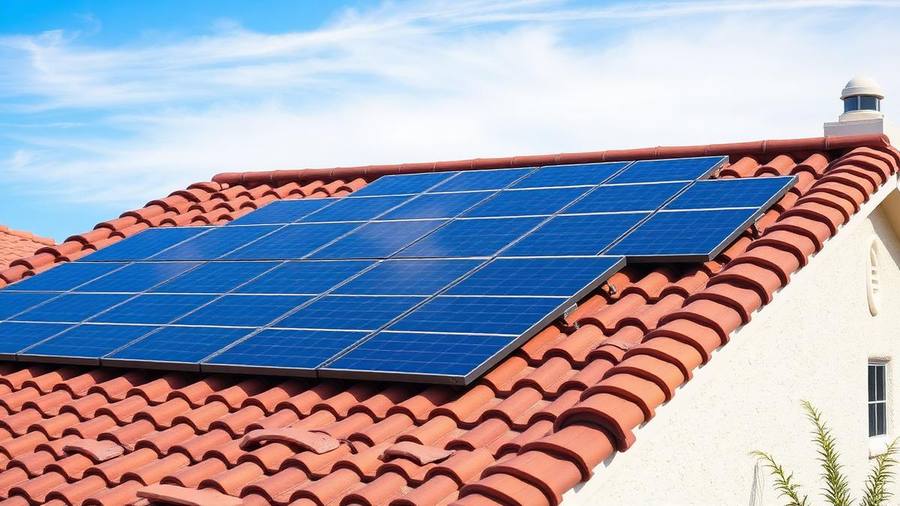
    Rooftop solar panel array installed on a Spanish tile roof of a San Diego home under blue sky

    What Solar Costs in San Diego (and Whether It Still Pays Off)

    Per-watt pricing, the NEM 3.0 reality, and how to read a solar quote without getting sold.

    Last updated

    Quick answer

    Expect $2.75–$3.75 per watt installed before incentives in San Diego, so a typical 7 kW system lands around $19,000–$26,000 gross. The federal residential clean energy credit that covered 30% expired for systems placed in service after December 31, 2025, so budget from the gross number and treat any remaining incentive as a bonus rather than the plan. The bigger change is NEM 3.0: systems interconnected since April 2023 are paid roughly 75% less for exported power than the old net metering, which means a solar-only system now pays back in 9–12 years while solar plus a battery that shifts your own power into the 4–9 p.m. peak often beats it. Batteries add $10,000–$18,000 for 10–13 kWh. Get three bids on the same production estimate in kWh per year, confirm the CSLB license carries a C-46 solar or C-10 electrical classification, and never sign at the kitchen table on the first visit.

    Typical San Diego residential solar costs

    ItemTypical costNotes
    Installed cost per watt$2.75–$3.75Lower for large simple roofs, higher for tile and multi-plane
    6 kW system$16,500–$22,500Covers a modest all-electric-light household
    8 kW system$22,000–$30,000Common with EV charging or A/C
    Battery (10–13 kWh)$10,000–$18,000Often the difference-maker under NEM 3.0
    Main panel upgrade$2,500–$5,000Frequently required on pre-1990 homes
    Tile roof adder$0.10–$0.30/wattTile removal and flashing labor
    Re-roof before solar$12,000–$30,000Do it first if the roof has under 10 years left
    Permit + interconnection$400–$1,200Usually bundled into the quote
    Panel removal/reinstall later$2,000–$5,000The cost of roofing after solar

    Why NEM 3.0 changed the whole calculation

    Exports are worth far less

    Under NEM 2.0 you banked exported power near retail rates. Under the current billing structure exports are credited at avoided-cost values that average roughly a quarter of what they used to be. Overbuilding your array to sell power no longer works.

    Self-consumption is the goal

    Every kilowatt-hour you use yourself is worth full retail. That is why batteries, timed EV charging, running the dishwasher midday, and pre-cooling the house before 4 p.m. now drive the payback.

    The 4–9 p.m. peak is the money window

    SDG&E's time-of-use peak is late afternoon and evening, exactly when solar production dies. A battery that carries the house through that window is where the savings live.

    Right-size, do not max the roof

    A good designer sizes to your actual annual kWh from twelve months of SDG&E bills, not to how many panels fit. Ask to see the offset percentage and the assumed rate escalator.

    Watch the rate escalator in the proposal

    Savings projections often assume utility rates climb 4–6% a year forever. Ask what the savings look like at 2%. If the deal only works at 6%, it is a sales spreadsheet, not a plan.

    Grandfathering

    Homes interconnected under older net metering generally keep those terms for 20 years from interconnection. If you buy a house with existing solar, ask the seller for the interconnection date.

    Cash, loan, lease, or PPA

    Cash

    Best lifetime return and the cleanest title. No lien, no dealer fee, no transfer paperwork when you sell.

    Solar loan

    Watch the dealer fee. A 'low rate' loan often carries a 15–30% fee baked into the system price. Ask for the cash price and the loan price side by side — that gap is the fee.

    Lease / PPA

    No money down, but you do not own the system and the escalator clause raises your payment 1.9–2.9% a year. It complicates home sales; buyers must qualify to assume the agreement.

    PACE financing

    Repaid through your property tax bill and it puts a senior lien on the home. It has caused real trouble at resale and refinance in California. Read every page before considering it.

    Home equity

    Often the cheapest borrowed money if you have equity, with no dealer fee inflating the system price.

    The 25-year question

    Panels are warrantied 25 years; inverters typically 10–12 with an extension option. Ask who honors labor warranty if the installer goes out of business — many have.

    Vetting a San Diego installer

    Check the license classification

    C-46 (solar) or C-10 (electrical) on an active CSLB license. Look up the license, not the brand name on the truck — many door-knockers are sales outfits that subcontract the install.

    Ask who does the physical work

    In-house crews are more accountable than a rotating subcontractor. Get the installing entity's license number in the contract.

    Demand a production guarantee in kWh

    A written annual kWh estimate with a remedy if actual production falls short is the single best filter for honest bids.

    Compare bids on the same numbers

    Panel wattage, inverter type, annual kWh, and total price. Do not compare monthly payments — that is how mismatched deals get sold.

    Roof condition first

    If your roof has under a decade left, re-roof before the panels go on. Removing and reinstalling an array later costs thousands.

    Confirm permit and interconnection handling

    The installer should pull the city or county permit and file the SDG&E interconnection application. Expect 4–10 weeks from install to permission to operate.

    Reject high-pressure and same-day discounts

    A price that expires tonight is a sales tactic. Legitimate installers hold quotes for 30 days.

    Before you sign anything

    • • Verify the license at cslb.ca.gov. Type the business name or license number into the CSLB lookup and confirm the license is active, the classification matches the work, and the bond and workers' comp are current. This takes 30 seconds and prevents most horror stories.
    • • California caps the down payment on a home improvement contract at $1,000 or 10% of the contract price, whichever is less. A contractor demanding 50% up front is either unlicensed or in financial trouble.
    • • You get a three-day right to cancel most in-home solicited contracts, and California gives seniors five days. Never sign the same day someone knocks on your door.
    • • Prices here are typical San Diego County ranges collected from published rate sheets, permit fee schedules, and utility program pages. Coastal salt-air conditions, hillside access, and older housing stock all push quotes up. Get three written bids.
    • • Permits are pulled by the City of San Diego Development Services or your city's building department, or the County for unincorporated areas. A contractor who suggests skipping the permit is transferring the risk to you at resale.

    Frequently asked

    How much do solar panels cost in San Diego?

    Roughly $2.75–$3.75 per watt installed, so about $19,000–$26,000 gross for a typical 7 kW system. Tile roofs, multi-plane layouts, and required main panel upgrades push the number up; a large simple roof pushes it down.

    Is solar still worth it in San Diego under NEM 3.0?

    Yes for most homes, but the payback is slower and the design is different. Exported power earns far less than it did, so the systems that pay off now are sized to your actual usage and usually paired with a battery that covers the 4–9 p.m. peak. Expect roughly 9–12 years for solar alone.

    Do I need a battery with solar in San Diego?

    Not required, but under current export rates a battery is often what makes the economics work, and it also gives you backup during outages and Public Safety Power Shutoffs. Budget $10,000–$18,000 for 10–13 kWh.

    How long does solar installation take?

    The physical install is one to three days. The full timeline from signed contract to permission to operate is usually two to four months, with permitting and SDG&E interconnection taking most of it.

    Should I replace my roof before installing solar?

    If the roof has fewer than about ten years of life left, yes. Removing and reinstalling an existing array to re-roof runs $2,000–$5,000 on top of the roofing job.

    Are door-to-door solar salespeople legitimate?

    Some are, many are subcontracted sales agents paid on commission who will not be the ones installing. Never sign the day they knock. You have a three-day right to cancel a home-solicited contract in California, and five days if you are a senior.

    Keep reading

    The Sandi Spots Newsletter

    San Diego, in your inbox.

    New beach finds, hidden taco shops, weekend events, and seasonal guides — once a week from a local. No spam, ever.

    One email a week. Unsubscribe anytime.

    About this guide

    Written and fact-checked by the Sandi Spots Editorial team — San Diego residents publishing under Sleep Coast LLC. Every place we recommend has been visited in person or verified against an official source, and no business can pay for inclusion or a higher ranking. Last updated .

    Local, first-hand. Reported on the ground in San Diego County.
    Kept current. Prices, hours, and closures reviewed on a rolling basis.
    Independent. Affiliate links never influence rankings.

    Editorial policy · About us · Suggest a correction