Sandi Spots
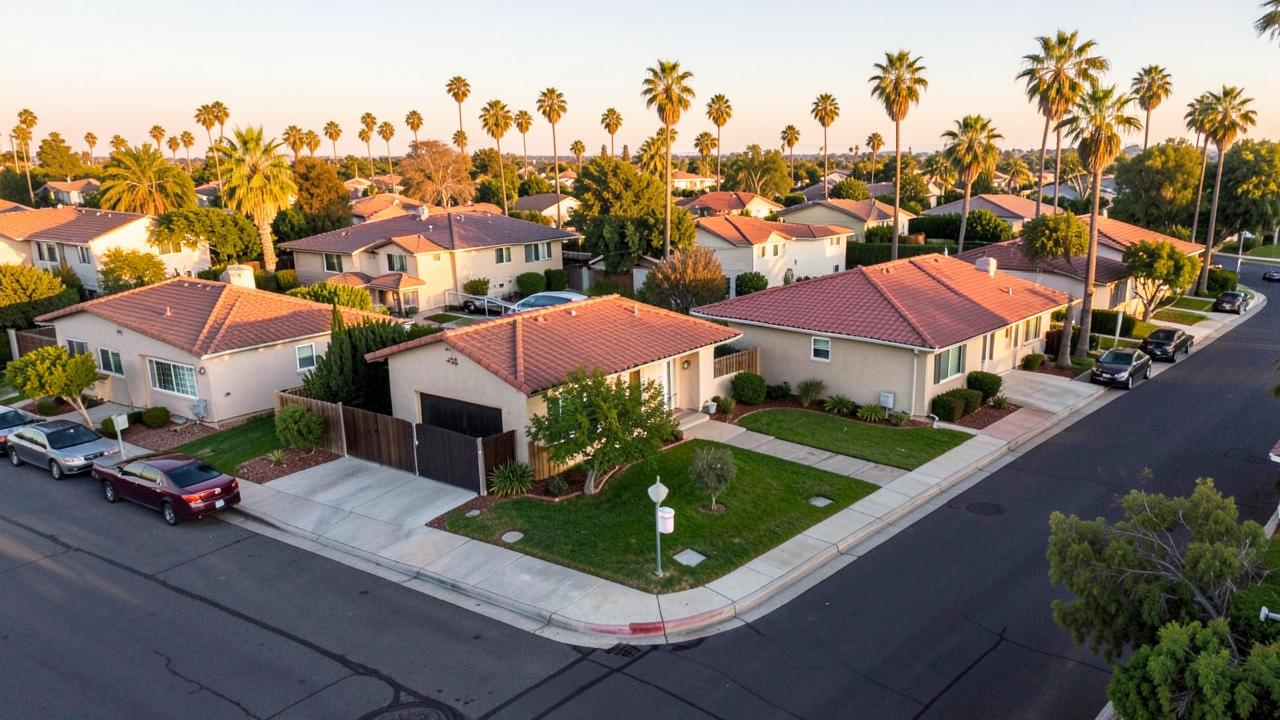
    San Diego single-story home exterior with tile roof being examined during a property inspection

    San Diego Home Inspection Guide

    The general inspection is the starting point. Here's what else this market demands.

    Last updated

    Quick answer

    A standard San Diego home inspection runs a few hundred dollars, takes two to three hours and covers structure, roof, electrical, plumbing, HVAC and visible drainage. It is a visual inspection only — the inspector does not open walls, dig, or test what they cannot see. In this market you should plan on at least two additional reports: a termite (wood-destroying pest) inspection, which is close to universal here because of drywood termites, and a sewer lateral camera scope on any home built before about 1970, where cast iron and clay lines fail regularly and repairs run into five figures. Add specialists when the situation calls for it: a structural engineer if you see stair-step cracking on expansive clay soil in East County, a roofer on any tile roof over twenty years old, and an electrician on homes with knob-and-tube, aluminum branch wiring or a Federal Pacific or Zinsco panel, which insurers increasingly refuse. Coastal homes also deserve a hard look at corrosion, window seals and deck framing.

    Inspections worth ordering in San Diego

    InspectionWhen to orderWhy here
    General home inspectionAlwaysBaseline condition report
    Termite / WDOAlwaysDrywood termites are endemic countywide
    Sewer lateral scopeHomes pre-1970Cast iron and clay lines fail; repairs are costly
    Roof specialistTile or shake over 20 yearsUnderlayment fails before the tile does
    Structural engineerCracks, hillside or clay soilExpansive soils move foundations
    Electrical panel reviewZinsco / FPE / aluminum wiringInsurers may decline coverage
    Chimney and fireplaceOlder homesEarthquake damage is common and unseen

    The San Diego-specific problems

    Issues that show up here far more than the national checklists suggest.

    Drywood termites

    Unlike much of the country, San Diego's termites live in the wood itself rather than the soil, which means fascia boards, eaves, window frames and attic framing. Local escrows nearly always include a Section 1 report, and tent fumigation is a routine, negotiable line item.

    Expansive clay soil

    Large areas of East County, Mission Valley and parts of the South Bay sit on soils that swell and shrink with moisture. Look for diagonal cracks above door frames, doors that stick and separated patio slabs, then get an engineer rather than guessing.

    Aging sewer laterals

    Mid-century neighborhoods like Clairemont, Allied Gardens, Kensington and North Park are full of original cast iron and clay laterals. A camera scope costs a small fraction of the repair, and root intrusion or a belly is very common.

    Roof underlayment, not roof tile

    Concrete and clay tile last for decades but the felt underneath does not. A twenty-five-year-old tile roof often needs a lift-and-relay, which is a serious expense a quick visual will miss.

    Fire zone and insurance

    If the home sits in or near a Very High Fire Hazard Severity Zone — much of Scripps Ranch, Poway, Rancho Bernardo, Alpine and the eastern edges — get an insurance quote during your contingency period, not after. Availability and cost can change your budget.

    Coastal corrosion

    Within a mile or so of the ocean, salt air attacks fasteners, HVAC condensers, garage door hardware, window frames and deck framing. Inspect balconies and elevated decks carefully — hidden rot is the single most expensive coastal surprise.

    How to run the inspection period well

    A workable sequence for a standard 17-day California contingency.

    Book everything in the first three days

    Good inspectors book out. Schedule the general, termite and sewer scope immediately so you have time for a specialist follow-up before the contingency expires.

    Attend the walkthrough

    The last 30 minutes of the inspection, when the inspector explains what they found, is worth more than the PDF. Ask what they would fix first and what they would ignore.

    Separate safety from cosmetic

    Sellers respond better to a short request targeting structural, electrical, plumbing and roof items than to a long list including outlet covers and paint.

    Get real bids before you negotiate

    A contractor's written number is far more persuasive than an inspector's phrase like 'further evaluation recommended,' and it protects you if the seller counters with a credit.

    Read the seller disclosures alongside the report

    California requires a Transfer Disclosure Statement and a Natural Hazard Disclosure. Cross-check them against the inspection — a gap between the two is the most useful signal you'll get.

    How to read these housing guides

    • • Rents and prices move every quarter. Treat the numbers here as current ranges for orientation, not appraisals or quotes.
    • • Nobody pays to be listed. No agent, builder, brokerage or property manager sponsors any placement on this site.
    • • Neighborhood picks weigh commute, price, noise, parking and day-to-day errands — not just listing photos.
    • • Nothing here is legal, tax or lending advice. For a specific deal, talk to a licensed professional.

    Frequently asked

    How much does a home inspection cost in San Diego?

    A general inspection typically runs a few hundred dollars depending on square footage and age, with termite inspections and sewer camera scopes each adding a modest additional fee.

    Do I need a sewer scope in San Diego?

    On any home built before roughly 1970, yes. Original cast iron and clay laterals in mid-century neighborhoods fail regularly, and a replacement can cost tens of thousands.

    Are termite inspections required in San Diego?

    They're not legally required for every sale, but lenders often want one and local practice makes them standard. Drywood termites are endemic here, so skipping it is a poor bet.

    What is a Section 1 termite item?

    Active infestation or existing damage, which sellers customarily pay to correct. Section 2 items are conditions likely to cause future problems, and those are negotiable.

    How long is the inspection contingency in California?

    The standard residential purchase agreement defaults to 17 days for buyer investigations, though it is frequently shortened in competitive offers. Confirm the exact date in your contract.

    Keep reading

    The Sandi Spots Newsletter

    San Diego, in your inbox.

    New beach finds, hidden taco shops, weekend events, and seasonal guides — once a week from a local. No spam, ever.

    One email a week. Unsubscribe anytime.

    About this guide

    Written and fact-checked by the Sandi Spots Editorial team — San Diego residents publishing under Sleep Coast LLC. Every place we recommend has been visited in person or verified against an official source, and no business can pay for inclusion or a higher ranking. Last updated .

    Local, first-hand. Reported on the ground in San Diego County.
    Kept current. Prices, hours, and closures reviewed on a rolling basis.
    Independent. Affiliate links never influence rankings.

    Editorial policy · About us · Suggest a correction