Rose Canyon Fault
Runs through downtown San Diego, Mission Bay, and La Jolla. A rupture here would affect the densest parts of the city.
We use cookies for essential site functions and, with your permission, for analytics and advertising. California residents can opt out of the sale or sharing of personal information at any time. See our Privacy Policy, Cookie Policy, and Do Not Sell or Share My Personal Information.
The faults are quiet until they are not. Here is the San Diego-specific plan for before, during, and after the shaking.
Last updated
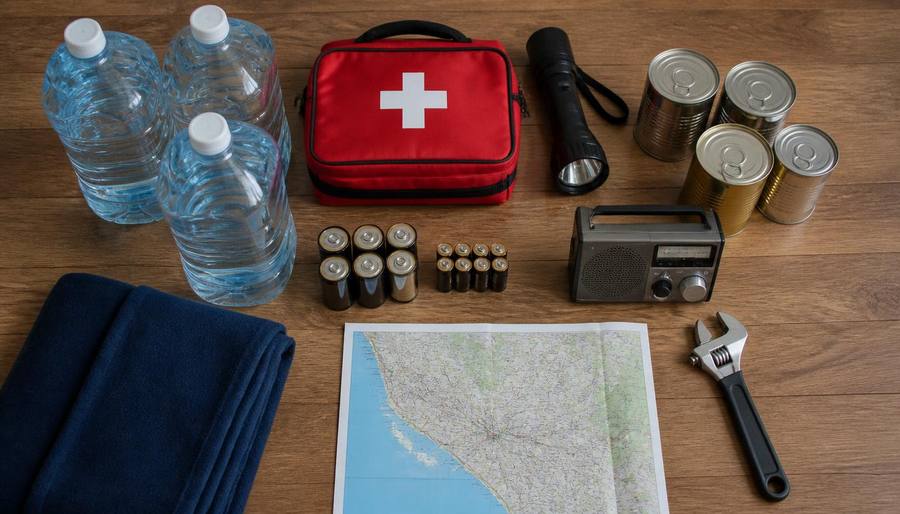
San Diego is earthquake country. The Rose Canyon Fault runs directly through the metro area, and the Elsinore, San Jacinto, and Newport-Inglewood faults are close enough to deliver strong shaking. Most San Diego homes were built before modern seismic codes, and many are on soft soils or hillsides that amplify shaking. A good preparedness plan has three parts: supplies for at least 72 hours, securing heavy items and utilities, and knowing what to do during and after a quake. Experts recommend one gallon of water per person per day, non-perishable food, a flashlight, a battery or hand-crank radio, medications, copies of important documents, cash, and a wrench to shut off gas if you smell a leak. During shaking, drop, cover, and hold on. Afterward, check for injuries, avoid damaged buildings, and expect aftershocks.
| Category | Must-haves | Action items |
|---|---|---|
| Water | 1 gal/person/day for 72+ hrs | Store in cool, dark place; rotate yearly |
| Food | Non-perishable, no-cook items | Check expiration dates twice a year |
| First aid | Kit + personal medications | Keep copies of prescriptions |
| Light & communication | Flashlight, radio, batteries, phone charger | Know local emergency radio frequencies |
| Documents | IDs, insurance, bank info in waterproof bag | Store digital backup in cloud |
| Home safety | Secure shelves, water heater, gas shutoff wrench | Practice gas shutoff; know main breaker |
Rates and availability change daily, so we link the guide rather than quote a price. Each page compares walkable, short-drive and budget options with parking and resort fees called out.
The risk is real but not the same everywhere. Soil type, building age, and proximity to faults all matter.
Runs through downtown San Diego, Mission Bay, and La Jolla. A rupture here would affect the densest parts of the city.
Located north and northeast of the city. Large quakes on these faults could deliver strong shaking across San Diego County.
Downtown, Mission Valley, and reclaimed bay areas can amplify shaking. Older buildings on these soils are especially vulnerable.
Homes on steep slopes or weak fill can suffer landslide damage during strong shaking. Retrofitting foundations and retaining walls helps.
Older brick and concrete-block buildings built before modern codes are the most dangerous places to be during a quake.
San Diego's coastline is less exposed than Northern California, but low-lying coastal areas could see tsunami flooding after a distant or local offshore quake. Know evacuation routes.
Most injuries in earthquakes come from falling objects and broken glass. A few hours of prep can make a big difference.
Bookshelves, dressers, and cabinets should be strapped to wall studs. Use furniture straps, not just wall brackets.
Strap the water heater to wall studs and add a flexible gas connector. A falling water heater can rupture gas lines.
Kitchen and bathroom cabinet latches keep dishes, glasses, and cleaners from flying out during shaking.
If an earthquake happens at night, you do not want to roll into broken glass. Keep beds clear of large windows and heavy wall hangings.
Locate the gas meter shutoff valve and main electrical breaker. Only shut off gas if you smell it or see damage.
Water, food, flashlight, radio, batteries, first aid, medications, hygiene items, cash, and copies of documents. Keep one at home and a smaller one in your car.
The first minute is about survival. The first day is about avoiding hazards and getting information.
Get under sturdy furniture or against an interior wall. Do not run outside — falling debris near building exteriors is often the biggest danger.
Windows, mirrors, and large pictures can shatter. If you are in bed, stay there and cover your head with a pillow.
Aftershocks can be nearly as strong as the main shock and can continue for days or weeks. Drop and cover again when you feel one.
Tend to yourself and others before checking damage. Do not move seriously injured people unless they are in immediate danger.
If you smell gas, open windows, leave, and shut off the gas at the meter if you can. If you see sparks or frayed wires, turn off electricity at the breaker.
Cell networks get overwhelmed. Text messages use less bandwidth and are more likely to go through.
There is no reliable way to predict earthquakes. The Rose Canyon Fault is capable of a magnitude 6.5 to 7.0 quake, and several nearby faults can produce strong shaking. Preparedness is the only practical response.
At minimum: one gallon of water per person per day for 72 hours, non-perishable food, a flashlight, a radio, batteries, medications, first-aid supplies, important documents, cash, and a gas shutoff wrench.
Standard homeowners and renters policies do not cover earthquake damage. If you own a home or have significant belongings, consider a separate earthquake policy. Older homes and those on hillsides or soft soils benefit most.
The Rose Canyon Fault, which runs through the urban core, poses the highest direct risk to the most people. However, distant large quakes on the San Andreas or local offshore faults can also cause significant shaking.
No. Modern doorways are no stronger than other parts of the wall. Drop, cover, and hold on under sturdy furniture or against an interior wall away from windows.
Yes, though the risk is lower than in Northern California. A local or distant offshore earthquake could generate a tsunami. Know your evacuation route if you live, work, or stay near the coast.
The hub for understanding San Diego's seasonal quirks, from marine layer to Santa Ana winds.
Why the coast goes gray for weeks and how to plan around it.
The hot, dry winds that reshape fire risk, allergies, and beach days.
When the highest tides of the year flood beaches, piers, and roads.
How to read the coastal cloud forecast and pick the sunny side of town.
Wildfires, floods, power outages, and evacuation planning.
How to contact SDG&E, water districts, and report outages.
The Sandi Spots Newsletter
New beach finds, hidden taco shops, weekend events, and seasonal guides — once a week from a local. No spam, ever.
One email a week. Unsubscribe anytime.
Published by the Sandi Spots Editorial team at Sleep Coast LLC. Guides combine local perspective and source research. Check the individual guide for firsthand observations and follow official links to confirm current details.