Sandi Spots
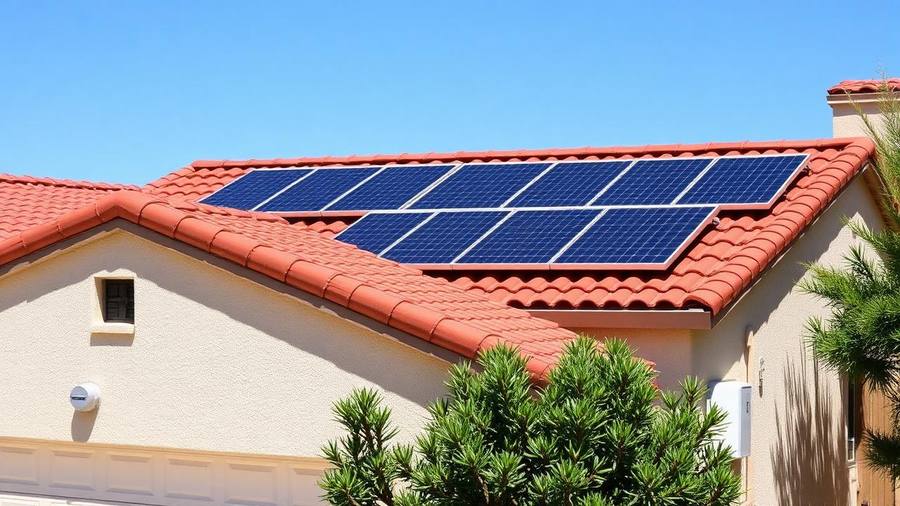
    Rooftop solar panels on a Southern California home with red tile roof under a clear blue sky

    San Diego Utilities, SDG&E Bills and Solar Rules

    Why the power bill shocks newcomers, and the levers that actually lower it.

    Last updated

    Quick answer

    In San Diego, SDG&E delivers electricity and natural gas to nearly every household, but the electricity itself is generated and priced for most city and county residents by San Diego Community Power, a public agency that appears as a separate line on the same SDG&E bill. Water and sewer come from your city — the City of San Diego Public Utilities Department for city addresses, a local water district elsewhere. Trash is city-provided for most single-family homes in San Diego and privately contracted for apartments. Rates here are among the highest in the country, and the biggest lever is time of use: nearly all residential customers are on time-of-use plans where 4pm to 9pm is the expensive window, so shifting laundry, dishwashing, EV charging and pool pumps outside those hours produces real savings. Rooftop solar installed after April 2023 falls under net billing (NEM 3.0), which pays far less for exported power and makes battery storage the deciding factor in whether solar pencils out.

    Who to call for what

    ServiceProviderHow to start
    Electricity delivery + gasSDG&EOpen an account online before move-in day
    Electricity generationSan Diego Community Power (default in most areas)Automatic; you can opt out to SDG&E
    Water & sewer (city)City of San Diego Public UtilitiesApply online; deposit may apply
    Water (county areas)Local water district (Helix, Otay, Padre Dam, Vista, etc.)Depends on address
    Trash & recyclingCity ESD for most SD single-family homes; private hauler for apartmentsAutomatic for city-serviced homes
    InternetCox, AT&T Fiber, Google Fiber in parts of the city, T-Mobile/Verizon home 5GCheck by address — availability is block by block

    Setting up utilities when you move in

    Start SDG&E a few days early

    Open the account online with your move-in date so power and gas are live when you arrive. A deposit may be required without local credit history, and it is refunded after a period of on-time payments. Gas appliance relight appointments can take a few days in busy months.

    Water depends on your address

    City of San Diego addresses are billed by the city's Public Utilities Department, typically bi-monthly and combined with sewer and trash-related fees. Elsewhere in the county, a district such as Helix, Otay, Padre Dam, Vista Irrigation or Sweetwater serves you. Look up your address rather than assuming.

    Trash is bundled for city single-family homes

    Most single-family homes inside the City of San Diego receive city collection with bins provided. Apartments and condos use a hauler contracted by the property. New state law changed how some collection costs are recovered, so expect a line item where there was not one before.

    Internet varies block by block

    Cox has near-universal cable coverage, AT&T Fiber and Google Fiber reach parts of the city, and fixed-wireless 5G home internet from T-Mobile and Verizon is a real budget option in strong-signal areas. Always check availability at the exact address before signing a lease you plan to work from.

    Why your SDG&E bill is so high — and what to do

    Understand the two halves of the bill

    Your bill splits into delivery charges (SDG&E's poles, wires and maintenance) and generation charges (the electricity itself). If you are a San Diego Community Power customer, the generation line comes from SDCP at a rate that is typically slightly lower than SDG&E's, with a higher renewable content. Delivery charges are the same either way and are the larger share.

    Time-of-use is the biggest lever

    Standard residential plans price the 4pm to 9pm window far higher than off-peak hours, and weekends are cheaper. Running the dishwasher at 10pm, charging an EV overnight, and pre-cooling the house before 4pm on hot days moves meaningful load out of the expensive block. Compare TOU plan options in your account — the right plan depends on when you are actually home.

    Baseline allowance and tiers

    Rates are structured around a baseline allowance that varies by climate zone and season — coastal, inland and mountain zones get different allocations, and inland summers blow through them with air conditioning. Usage above baseline is billed at a higher rate.

    Discount programs

    CARE and FERA provide substantial ongoing discounts for income-qualified households, the Medical Baseline program increases the allowance for households with qualifying medical equipment, and level-pay billing smooths summer spikes without lowering the total. Applications are quick and are renewed periodically.

    Efficiency that pays here

    In San Diego's mild climate, attic insulation, shade, ceiling fans and a heat-pump water heater deliver more savings per dollar than replacing windows. Whole-house fans work well because nights cool off almost everywhere in the county. Rebates for heat pumps and induction ranges come and go — check current programs before buying.

    Solar and batteries under the current rules

    NEM 3.0 changed the math

    Solar systems interconnected after April 2023 are on net billing, which credits exported electricity at a much lower value than the old one-for-one net metering. The result is that exporting midday power is worth little, and the value of solar now comes from using your own production and storing the rest.

    Batteries are close to mandatory for good payback

    Pairing storage with panels lets you charge from your own solar midday and discharge during the 4pm to 9pm peak, which is where the expensive kilowatt-hours are. Most reputable San Diego installers now quote solar-plus-storage by default; a panels-only quote should come with an honest payback estimate under net billing.

    Legacy systems keep their old terms

    Systems interconnected under NEM 1.0 or NEM 2.0 keep those terms for a defined period from their original interconnection date. Adding capacity to an existing system can trigger a move to current rules — ask the installer explicitly before expanding.

    Permits, HOAs and roofs

    City and county permitting is generally streamlined for residential solar, and California law limits how much HOAs can restrict installations. The practical constraint is roof condition — if the roof has under ten years of life left, reroof first rather than paying to remove and reinstall panels later.

    Getting quotes without getting sold

    Get three quotes, compare cost per watt rather than monthly payment, be skeptical of long dealer-fee-loaded loans, and read how production guarantees and warranty service are handled. Ask whether the company installs with its own crews. Leases and PPAs complicate home sales more than owners expect.

    Notes

    • • Rates, tariffs, incentive programs and solar rules change frequently — verify current details with SDG&E, San Diego Community Power and the CPUC before making decisions.
    • • You can opt out of San Diego Community Power back to SDG&E generation at any time; most customers stay on the default.
    • • Water use restrictions tighten during drought declarations, including limits on outdoor irrigation days.
    • • Public Safety Power Shutoff events can cut power to backcountry areas during extreme fire weather — see the emergency prep guide.

    Frequently asked

    Who provides electricity in San Diego?

    SDG&E owns and operates the delivery network for essentially all of San Diego County, while San Diego Community Power is the default electricity generation provider for the City of San Diego and several other member cities. Both appear on the same SDG&E bill, split into delivery and generation charges.

    Why is my SDG&E bill so high?

    San Diego has some of the highest electricity rates in the country, driven largely by delivery charges rather than the electricity itself. Bills climb further under time-of-use pricing, where 4pm to 9pm is the expensive window, and when summer air conditioning pushes usage above your climate-zone baseline allowance.

    What are the peak hours for SDG&E?

    On standard residential time-of-use plans, on-peak pricing runs 4pm to 9pm daily, with lower rates outside that window and on weekends. Shifting laundry, dishwashing, EV charging and pool pumps outside peak hours is the single most effective way to lower a bill.

    Is solar still worth it in San Diego under NEM 3.0?

    It can be, but the economics changed. Systems interconnected after April 2023 are on net billing, which pays much less for exported power. Payback now depends on self-consumption, which usually means pairing panels with battery storage so you can cover the expensive 4pm to 9pm peak with your own stored solar.

    Can my HOA stop me from installing solar in California?

    California law significantly limits an HOA's ability to prohibit residential solar installations, though reasonable aesthetic and placement conditions may apply. The bigger practical barrier is roof condition — reroof first if the roof has less than about ten years of life left.

    How do I set up water service in San Diego?

    City of San Diego addresses are served by the city's Public Utilities Department, with billing that combines water and sewer. Addresses in other cities and unincorporated areas are served by local water districts such as Helix, Otay, Padre Dam, Sweetwater or Vista Irrigation, so check by address.

    What discounts are available on SDG&E bills?

    CARE and FERA offer ongoing rate discounts for income-qualified households, the Medical Baseline program raises the allowance for households with qualifying medical equipment, and level-pay billing spreads summer peaks evenly across the year.

    Keep reading

    The Sandi Spots Newsletter

    San Diego, in your inbox.

    New beach finds, hidden taco shops, weekend events, and seasonal guides — once a week from a local. No spam, ever.

    One email a week. Unsubscribe anytime.

    About this guide

    Written and fact-checked by the Sandi Spots Editorial team — San Diego residents publishing under Sleep Coast LLC. Every place we recommend has been visited in person or verified against an official source, and no business can pay for inclusion or a higher ranking. Last updated .

    Local, first-hand. Reported on the ground in San Diego County.
    Kept current. Prices, hours, and closures reviewed on a rolling basis.
    Independent. Affiliate links never influence rankings.

    Editorial policy · About us · Suggest a correction