Check-in and waiver
Arrive ten minutes early. Minors need a parent-signed waiver. Large groups should register ahead so organizers can plan supplies.
We use cookies for essential site functions and, with your permission, for analytics and advertising. California residents can opt out of the sale or sharing of personal information at any time. See our Privacy Policy, Cookie Policy, and Do Not Sell or Share My Personal Information.
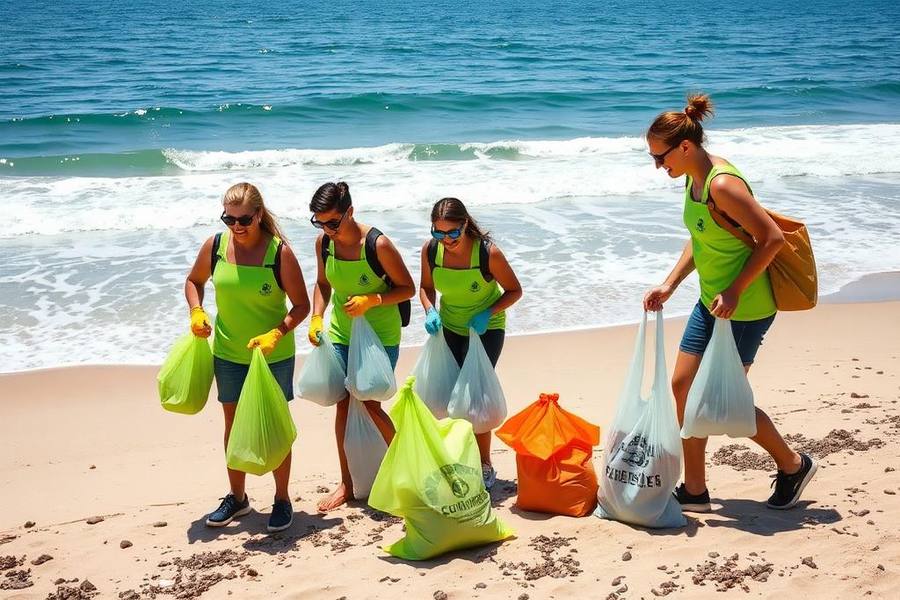
The best recurring volunteer events for keeping San Diego's coastline clean, plus what to wear, what to bring, and how to turn one morning into a routine.
Last updated
San Diego has dozens of recurring beach cleanups run by environmental nonprofits, neighborhood groups, and state park partners. The biggest organizers are I Love A Clean San Diego, Surfrider Foundation's San Diego County chapter, and San Diego Coastkeeper, each hosting monthly or seasonal events at beaches from Imperial Beach to Oceanside. Most cleanups are free, open to families, and require no experience. You typically show up, sign a waiver, grab gloves and a bag, and spend one to two hours collecting trash and recording what you find. Bring sun protection, closed-toe shoes, a reusable water bottle, and a hat. Some events provide data sheets for citizen science; others are simply about removing debris before it reaches the ocean.
| Organizer | Typical beaches | How to join |
|---|---|---|
| I Love A Clean San Diego | Countywide including Mission Bay, OB, PB, IB, Torrey Pines | Website calendar; registration usually required |
| Surfrider Foundation San Diego | Ocean Beach, Pacific Beach, Imperial Beach, Cardiff | Chapter Instagram and website; event sign-ups |
| San Diego Coastkeeper | Mission Bay, San Diego River mouth, shoreline areas | Volunteer portal; orientation for some roles |
| San Diego Park Rangers / State Parks | Torrey Pines, Cardiff, San Elijo, Silver Strand | State Parks volunteer page; some events listed on partner sites |
| Neighborhood and surf clubs | Local breaks up and down the coast | Instagram, local surf shops, community boards |
Rates and availability change daily, so we link the guide rather than quote a price. Each page compares walkable, short-drive and budget options with parking and resort fees called out.
Most cleanups follow a simple rhythm. Knowing the flow helps you show up prepared and leave a real impact.
Arrive ten minutes early. Minors need a parent-signed waiver. Large groups should register ahead so organizers can plan supplies.
Gloves, trash bags, and grabbers are commonly supplied. Some groups also provide buckets for sorting recyclables.
Many cleanups log every item found. That data drives policy, so take the time to count and categorize what you collect.
Organizers assign sections to avoid overlap and keep people away from unsafe rocks, cliffs, or traffic. Respect the boundaries.
Some events end with a group photo and a total weight of trash collected. It is a small ritual that keeps people coming back.
If you are new to beach cleanups, start with events that have good parking, restrooms, and a forgiving shoreline.
Flat, calm, and family-friendly. Great for kids and groups. Parking is easier than the oceanfront beaches.
A Surfrider stronghold with a strong local culture. The dog beach and pier area collect plenty of debris.
High-impact volunteering close to the Tijuana River estuary. Conditions can be windier and the debris load heavier.
Scenic but with cliffs and uneven terrain. Best for adults and teens comfortable with light hiking.
North County option with easy access and a mix of beach and harbor cleanup needs.
One cleanup is a nice morning. A monthly commitment is where the real environmental and personal benefits show up.
Many groups hold cleanups on the first Saturday or last Sunday of the month. Block it on your calendar like any other commitment.
Accountability works. Cleanup mornings are also a low-pressure way to spend time with people outside the usual bar or coffee routine.
Some platforms log volunteer hours. That record can help with work volunteer programs, school service requirements, or simply your own motivation.
The trash you pick up tells a story. Share what you found — straws, cigarette butts, food wrappers, fishing line — and it becomes a conversation about consumption.
After a few events, ask about becoming a site captain or data lead. Leadership roles are how cleanups scale.
Most organized cleanups prefer or require advance registration so they can plan supplies and waivers. Some smaller informal groups allow walk-ups, but it is safer to sign up ahead.
Yes, most family-friendly cleanups welcome children with adult supervision. Age limits vary for data-entry or cliff-adjacent sites, so check the event description.
Closed-toe shoes, sun protection, a hat, and layers for morning wind. Avoid sandals on rocky beaches and bring a reusable water bottle.
Beach parking is usually available but can fill early on weekends. Arrive early, carpool when possible, and have a backup lot in mind.
Absolutely. Many people do self-guided cleanups with a bucket and gloves. Just be safe, do not handle hazardous items, and report needles or large debris to the appropriate agency.
Sort, pack, and distribute food with the county's hunger-relief organizations.
Help dogs, cats, rabbits, and wildlife at shelters and rescues around the county.
Plan a meaningful team day at a local nonprofit or park.
Explore the coast responsibly after your cleanup.
The Sandi Spots Newsletter
New beach finds, hidden taco shops, weekend events, and seasonal guides — once a week from a local. No spam, ever.
One email a week. Unsubscribe anytime.
Published by the Sandi Spots Editorial team at Sleep Coast LLC. Guides combine local perspective and source research. Check the individual guide for firsthand observations and follow official links to confirm current details.