San Diego Humane Society
The region's largest animal welfare organization with campuses in San Diego, Escondido, and Oceanside. Offers the broadest range of volunteer roles.
We use cookies for essential site functions and, with your permission, for analytics and advertising. California residents can opt out of the sale or sharing of personal information at any time. See our Privacy Policy, Cookie Policy, and Do Not Sell or Share My Personal Information.
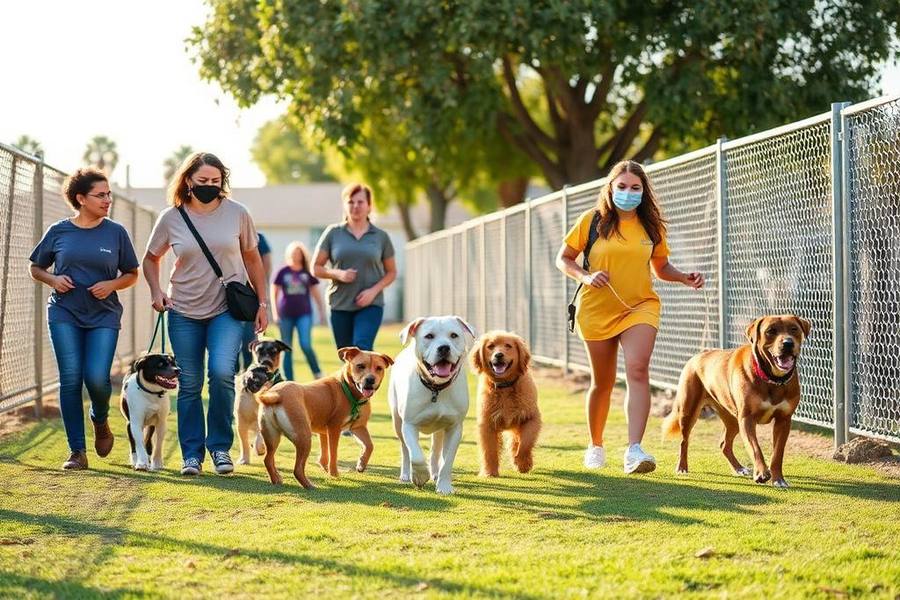
From walking dogs at the county shelter to fostering kittens and rehabbing wildlife, here is how to help animals in San Diego.
Last updated
San Diego has a wide animal welfare volunteer ecosystem spanning the county's two main shelters, breed-specific rescues, wildlife rehabilitation centers, and foster networks. The San Diego Humane Society operates campuses in San Diego, Escondido, and Oceanside, with volunteer roles ranging from dog walking and cat socialization to administrative support and event help. The County of San Diego Department of Animal Services runs shelters in Bonita and Carlsbad. Beyond those, dozens of small rescues specialize in pit bulls, senior dogs, rabbits, reptiles, and native wildlife. Most roles require an orientation and a minimum weekly or monthly commitment. Foster programs are often the fastest way to make a direct impact because they free up kennel space for incoming animals.
| Role | Typical commitment | Best for |
|---|---|---|
| Dog walker / exerciser | Weekly 2–4 hour shift | Active volunteers comfortable with large dogs |
| Cat socializer | Weekly 2–3 hour shift | Patient volunteers who enjoy quiet, repetitive work |
| Foster parent | Flexible; weeks to months per animal | People with stable housing and household consent |
| Adoption counselor / greeter | Weekly or biweekly shift | Outgoing volunteers good at talking to the public |
| Wildlife rehab assistant | Seasonal; often requires training | Volunteers interested in native species, not petting |
| Transport volunteer | As needed | People with reliable vehicles and flexible schedules |
Rates and availability change daily, so we link the guide rather than quote a price. Each page compares walkable, short-drive and budget options with parking and resort fees called out.
Start with the larger organizations, then narrow down by species, location, and time commitment.
The region's largest animal welfare organization with campuses in San Diego, Escondido, and Oceanside. Offers the broadest range of volunteer roles.
Operates shelters in Bonita and Carlsbad. Volunteer needs include dog walking, kennel cleaning, and event support.
Encinitas-based shelter with a strong foster and education program. Known for a calm, scenic setting.
San Diego has active rabbit rescues for volunteers who prefer small animals. Roles include cleaning, socializing, and adoption events.
Organizations like Project Wildlife care for injured and orphaned native animals. These roles require training and are not about handling animals for fun.
If you cannot commit to a weekly shelter shift, fostering may be the most impactful thing you can do.
Every animal in a foster home is one fewer animal in a kennel. That frees space for emergencies and reduces stress for the animal.
Most provide food, supplies, veterinary care, and support. You provide the home, attention, and transportation.
Bottle-feeding kittens, recovering surgery patients, shy dogs needing calm homes, and hospice fosters for senior animals.
Some fosters last a few days; others last months. Be honest about your availability so the match is fair to the animal.
Fostering ends in adoption. It is rewarding but can be emotional. Most repeat fosters say the hard goodbyes are worth it.
Animal shelter volunteering is rewarding, but it is not casual petting. Set expectations correctly.
Most organizations require an orientation and sometimes species-specific training before you can work directly with animals.
Animals benefit from familiar faces. A weekly or biweekly shift is usually preferred over occasional drop-ins.
You will see animals who are scared, sick, or recovering from neglect. Good volunteers stay calm and follow staff direction.
Laundry, dishes, data entry, photography, and event support are all critical. Do not dismiss them.
Weekend adoption events at pet stores and farmers markets rely on volunteers to handle paperwork, answer questions, and manage dogs.
No experience is needed for most entry-level roles. Training is provided. Some specialized roles, like wildlife rehab, require additional instruction.
Age limits vary. Many shelters allow children 12 and up with a parent, while direct animal handling may require volunteers to be 16 or 18.
It ranges from a few days for a short-term medical recovery to several months for a young kitten or a shy dog. The shelter will match you based on your availability.
Yes, dog walking is one of the most common volunteer roles, but it usually requires orientation and a regular weekly commitment.
Look for one-time opportunities like adoption events, supply drives, or transport volunteering. Fostering can also be flexible.
Where to volunteer by the coast, what to bring, and how to make it a habit.
Sort, pack, and distribute food with the county's hunger-relief organizations.
Plan a meaningful team day at a local nonprofit or park.
Take your own dog out after helping shelter dogs.
The Sandi Spots Newsletter
New beach finds, hidden taco shops, weekend events, and seasonal guides — once a week from a local. No spam, ever.
One email a week. Unsubscribe anytime.
Published by the Sandi Spots Editorial team at Sleep Coast LLC. Guides combine local perspective and source research. Check the individual guide for firsthand observations and follow official links to confirm current details.