Eight weeks out: define goals
Decide whether the priority is team bonding, community impact, skill-building, or visibility. That choice shapes everything else.
We use cookies for essential site functions and, with your permission, for analytics and advertising. California residents can opt out of the sale or sharing of personal information at any time. See our Privacy Policy, Cookie Policy, and Do Not Sell or Share My Personal Information.
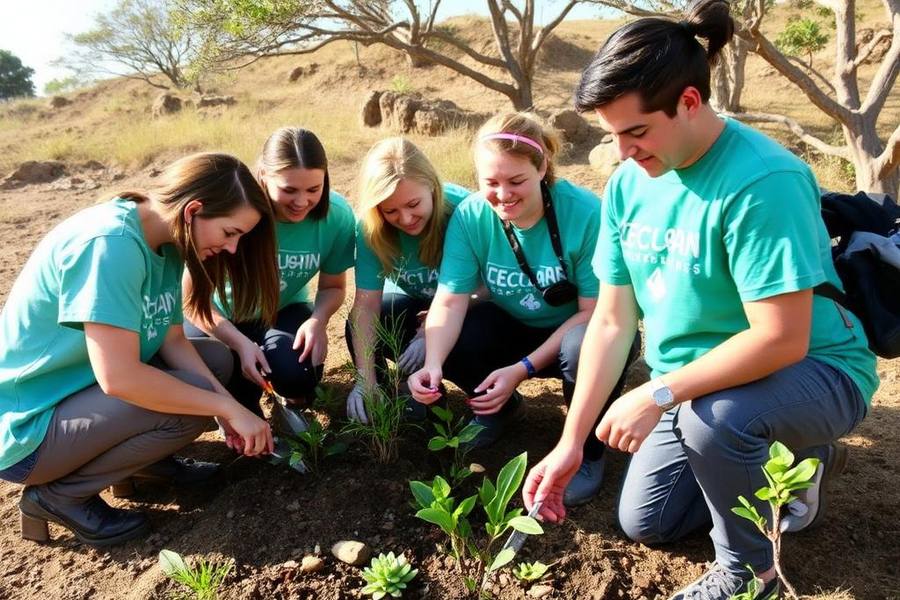
How to organize a team volunteer event that actually helps a local nonprofit, builds morale, and does not create more work than it solves.
Last updated
San Diego companies have no shortage of nonprofit partners for team volunteer days. The key is to plan four to eight weeks ahead, choose a project matched to your group size and abilities, and treat it as a real partnership rather than a photo opportunity. Strong options include I Love A Clean San Diego for beach and park cleanups, the San Diego Food Bank for warehouse shifts, Habitat for Humanity San Diego for construction-adjacent work, local urban gardens and school gardens for outdoor team projects, and senior centers or meal-delivery organizations for lower-mobility groups. Most nonprofits have a corporate engagement contact who can help you choose a date, explain age and ability requirements, and provide impact metrics afterward. Expect to pay a small sponsorship fee for some projects; this covers supplies, staff time, and insurance.
| Team profile | Good fit | Why it works |
|---|---|---|
| Active, outdoorsy teams | Beach or park cleanup with I Love A Clean San Diego | High visibility, physical work, immediate results |
| Detail-oriented groups | Food bank warehouse sorting or box packing | Structured tasks, measurable output, indoor climate control |
| Hands-on crews | Habitat for Humanity build days or urban garden projects | Tangible construction or landscaping outcome |
| Smaller teams | Senior center visits, meal delivery, or nonprofit office support | Personal interaction, flexible timing, lower logistics |
| Remote or hybrid teams | Virtual food drives, fundraising campaigns, or remote pro-bono projects | No travel required; can include people outside San Diego |
Rates and availability change daily, so we link the guide rather than quote a price. Each page compares walkable, short-drive and budget options with parking and resort fees called out.
A good corporate volunteer day does not happen on a week's notice. Use this rough timeline.
Decide whether the priority is team bonding, community impact, skill-building, or visibility. That choice shapes everything else.
Reach out to two or three nonprofits. Ask about project availability, group size limits, cost, and what they need from you beyond bodies.
Lock the date, location, parking, lunch plan, and waiver process. Send a calendar hold and a save-the-date.
Nonprofits plan work around your numbers. A firm count matters more than a rough estimate.
Send reminders with dress code, arrival time, and contact numbers. Bring water, sun protection, and a flexible attitude.
Nonprofits dread well-meaning corporate groups that create chaos. Avoid being that group.
A team of desk workers may not be ready for heavy construction. A team of engineers might love a structured inventory project. Ask the nonprofit for guidance.
A 40% no-show rate can wreck a planned project. Confirm attendance and hold people accountable.
Nonprofit staff know their work. Brief your team to follow instructions, not improvise.
Photos are fine, but do not let a social media shoot dominate the day. The work is the point.
Ask the nonprofit for metrics — pounds of food sorted, trees planted, meals delivered — and share them internally.
These organizations have established corporate volunteer programs and know how to handle groups.
Offers structured cleanups at beaches, parks, and canyons. Great for large groups and visible impact.
Reliable warehouse shifts with clear tasks. A strong choice for groups that want measurable output.
Build days require more planning and physical ability but deliver a memorable, tangible result.
Organizations like Olivewood Gardens or local school garden networks need planting, weeding, and infrastructure help.
Good for smaller teams or groups that want direct human interaction with lower physical demands.
Four to eight weeks is typical. Popular dates around Earth Day, Thanksgiving, and December fill even earlier.
Some nonprofits charge a sponsorship or materials fee, especially for large groups. This is normal and helps cover supplies and staff time.
It depends on the project. Beach cleanups can handle fifty people. Office support or meal delivery may only need five to ten. Ask the nonprofit.
Yes. Virtual food drives, fundraising challenges, and remote pro-bono work can include people who are not local.
Ask the nonprofit for metrics before and after the event. Common measures include pounds of food, number of boxes, items collected, or people served.
Where to volunteer by the coast, what to bring, and how to make it a habit.
Sort, pack, and distribute food with the county's hunger-relief organizations.
Help dogs, cats, rabbits, and wildlife at shelters and rescues around the county.
Where local teams gather before heading out to volunteer.
The Sandi Spots Newsletter
New beach finds, hidden taco shops, weekend events, and seasonal guides — once a week from a local. No spam, ever.
One email a week. Unsubscribe anytime.
Published by the Sandi Spots Editorial team at Sleep Coast LLC. Guides combine local perspective and source research. Check the individual guide for firsthand observations and follow official links to confirm current details.