What Makes La Jolla Special
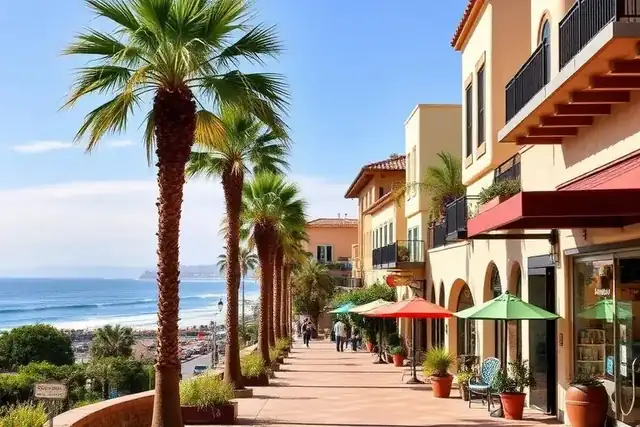
La Jolla sits on a 7-mile stretch of dramatic coastline 12 miles north of downtown San Diego. The geography is the draw: sandstone cliffs, a protected swim cove, the famous Sea Caves carved into the bluffs, and Mount Soledad rising 800 feet above it all with 360° views.
It's also one of San Diego's wealthiest neighborhoods, which translates to upscale boutiques, two Michelin-starred restaurants within a few miles, and the kind of beach houses you slow down to photograph. But La Jolla is also surprisingly walkable and full of free, public-access magic — the Coast Walk Trail, the Cove, the tide pools, and Sunset Cliffs (technically Point Loma but a 10-minute drive south).
The Top Things to Do in La Jolla
Snorkel or kayak the La Jolla Sea Caves. The 6,000-acre marine reserve has the clearest water in San Diego and bright orange Garibaldi everywhere. Everyday California and La Jolla Kayak run two-hour tours year-round.
Watch the sea lions at La Jolla Cove. Free, accessible from Scripps Park, and unforgettable. Bring a clothespin for your nose if you're sensitive — it's pungent.
Walk the Coast Walk Trail from the Cove to Goldfish Point — a half-mile cliffside path with the most photographed view in the city.
Hike Torrey Pines State Reserve. The Beach Trail is the easiest way down to the sand; Razor Point Trail is the most photogenic.
Visit the Birch Aquarium at Scripps for shark touch tanks, kelp forests, and the best aquarium ocean view in California.
Drive to the top of Mount Soledad at sunset for a panorama covering the entire San Diego basin.
La Jolla's Best Beaches
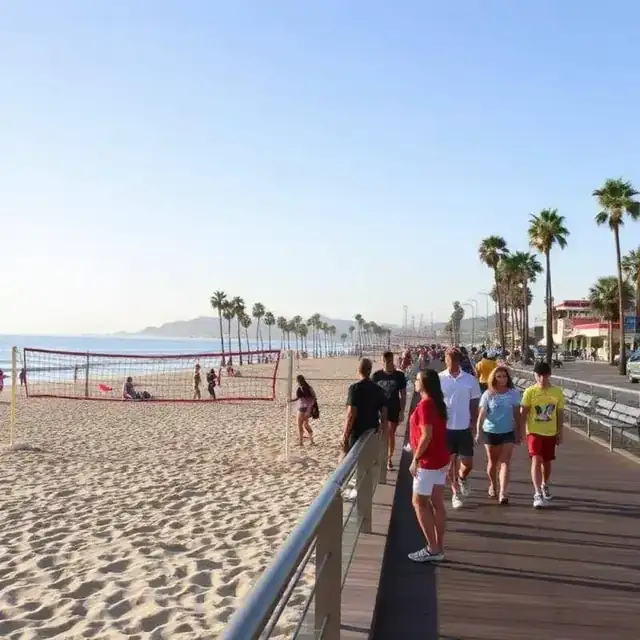
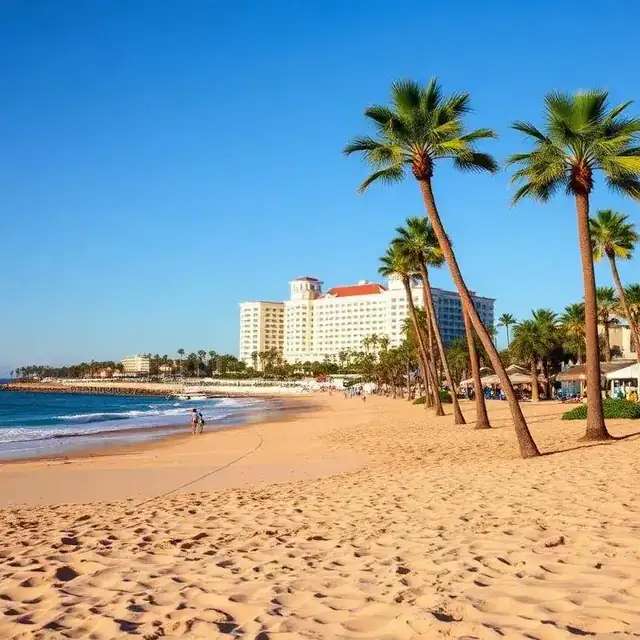
La Jolla Shores is the all-around best family beach in San Diego — soft sand, gentle waves, beginner surf, and plenty of parking if you're early.
La Jolla Cove is the snorkeling spot. Tiny, crowded, magical. Arrive before 10am.
Windansea is the surf-photographer's beach. The palm-thatched surf shack is the iconic shot.
Marine Street Beach has no parking lot, no facilities, and as a result, no crowds. Wide flat sand for skim-boarding and beach walks.
Black's Beach (technically Torrey Pines) sits below the cliffs — a steep hike down for a wide, wild stretch of sand.
A Brief History of La Jolla
La Jolla's modern story begins in 1887, when developer Frank T. Botsford bought 400 acres of cliff-top land for $2,200 and laid out a seaside resort town. By the early 1900s, newspaper heiress Ellen Browning Scripps had moved in and quietly transformed the village — funding the Scripps Institution of Oceanography, the La Jolla Recreation Center, and what became The Bishop's School. Her influence is the reason La Jolla still feels less like a typical California beach town and more like a cultural village built around science, art, and the sea.
The mid-century brought the Salk Institute (1963), Louis Kahn's brutalist masterpiece carved into the cliffs at Torrey Pines. Combined with UC San Diego's founding the same decade, La Jolla quietly became one of the most concentrated research hubs in the country — a fact most visitors never realize as they walk through it.
La Jolla Like a Local: Insider Tips
Skip Prospect Street parking and head to Coast Boulevard or the streets above the Cove (Eads, Silverado). Locals also use the free Athenaeum lot on Wall Street after 5pm.
The smell at the Cove is real — it's worst from late summer through fall and most pungent at low tide. Visit the Children's Pool overlook in the morning when the sea lions are most active and the smell is lightest.
For sea cave kayak tours, book the 7:30am slot. Glassy water, no wind, smaller groups, and the best chance of seeing leopard sharks in summer.
The Marine Room schedules its 'high tide breakfasts' a few times a year — it's the best deal at one of San Diego's most iconic restaurants. Sign up for their email list a year in advance.
The La Jolla Sea Caves, Explained
Seven sea caves are carved into the sandstone cliffs at Goldfish Point, and each has a name: Clam's Cave, Sunny Jim's, Arch Cave, Sea Surprise, Shopping Cart, Little Sister, and White Lady. Only one — Sunny Jim's — is accessible by foot, through a hand-cut tunnel inside the Cave Store on Coast Boulevard. The other six are reachable only by kayak, snorkel, or paddleboard.
The caves sit inside the 6,000-acre San Diego–La Jolla Underwater Park, a fully protected marine reserve. That protection is why the water is so clear and why you'll see leopard sharks (summer), garibaldi, bat rays, and the occasional sea turtle within a few feet of the beach. Guided tours run 90 minutes to 2 hours and cost $50–$80. La Jolla Kayak, Everyday California, and Bike & Kayak Tours are the three main operators.
If you don't want a guide, you can snorkel straight out from the Cove or rent a solo kayak. Peak clarity is September–October when the water hits 70°F+ and the swell is small. Winter tours still run but expect chop.
La Jolla Tide Pools: When to Go and What You'll See
The best tide pools in San Diego are along the La Jolla coast — specifically the rocky shelves at Hospital Point (below the Cave Store), the shelf south of the Children's Pool, and the wilder pools at Bird Rock and Windansea. Low tide is the only time they're accessible.
Check a San Diego tide chart before you go and aim for a 'minus tide' (anything below 0.0 ft). The best months are typically November through March when minus tides fall in daylight hours. Wear grippy shoes — the rock is slick with algae — and watch for waves; incoming sets can catch you off-guard.
You'll see hermit crabs, tiny anemones, sea stars (still recovering from wasting disease but coming back), sea hares, and octopus if you're lucky and patient. Everything stays — this is a protected reserve and it's a federal violation to remove shells or animals.
The La Jolla Seals & Sea Lions Controversy
Two different animals, two different beaches. Harbor seals haul out at the Children's Pool (a small crescent beach built as a swimming spot in 1931 by Ellen Browning Scripps). Sea lions haul out at La Jolla Cove and on the rocks below the Cove bluffs. The Children's Pool has been closed to swimming during pupping season (Dec 15 – May 15) since 2014 to protect the seals.
For the best sea lion viewing, walk the Cove overlook and Coast Walk Trail. For seals, the viewpoint above the Children's Pool has a clear rope-line separating people from the animals. Federal law requires staying at least 50 feet away — approaching, feeding, or touching marine mammals carries fines up to $11,000. Dogs are not allowed near either site.
Where to Watch the Sunset in La Jolla
Windansea Beach is the postcard shot — the palm-thatched surf shack framed against a burning sky. Park on Neptune Place, walk down the sandstone steps, and stake a spot on the flat rocks 30 minutes before sunset.
Mount Soledad Veterans Memorial is the panorama shot — 800 feet up, with 360° views across the entire San Diego basin. Downtown lights up to the south, and on clear nights you can see Mexico.
For dinner-and-sunset, book a west-facing window at George's Ocean Terrace, Eddie V's, or The Marine Room (where high tides literally hit the windows). Reserve 3–4 weeks out and specifically request a window.
Parking in La Jolla Without Losing Your Mind
Parking is the single biggest complaint about La Jolla — the village has grown, the streets haven't. Rules by area: Prospect Street and Girard Avenue have 2-hour meters that are enforced 7 days a week, 8am–6pm. Meters cost roughly $1.75/hour and take credit cards or the PayByPhone app.
The best free options are the residential streets one block above Prospect — Cuvier, Eads, Silverado, and Draper. On weekends these fill by 10am. For the Cove specifically, Coast Boulevard and Scripps Park have free 3-hour spots that turn over quickly.
For La Jolla Shores, the Kellogg Park lot is free but full by 9am on any sunny day. Overflow lot options: the streets along Vallecitos and Camino del Oro. During summer, use the free trolley shuttle if it's running, or ride-share in.
Best Time to Visit La Jolla (Month by Month)
September and October are the sweet spot: water temperatures hit their warmest (70–72°F), the summer crowds have thinned, sea cave visibility is at peak clarity, and the weather is reliably sunny. Locals call this 'second summer.'
May and June bring 'May Gray' and 'June Gloom' — a low marine layer that burns off by early afternoon most days. Great for hiking and photography, less great if you're chasing sunny beach photos.
December through February is whale-watching season: gray whales migrate south to Baja along the coast, and you can spot them from Point Loma, Torrey Pines, and Ellen Browning Scripps Park. Water drops to about 58°F — wetsuit weather.
July and August are peak crowds. Park by 9am, book restaurants weeks out, and expect 30-minute waits at the Cove overlook.
La Jolla with Kids
La Jolla Shores is the single best family beach in San Diego — gentle waves, wide flat sand, lifeguards, and a grass park (Kellogg Park) with picnic tables and a playground right next to the sand. Rent a beach cruiser, boogie boards, or a stand-up paddleboard at La Jolla Kayak.
Birch Aquarium at Scripps is a full morning: shark touch pools, a giant kelp forest tank, and a bluff-top tide pool exhibit with real ocean views. Cheaper and less crowded than SeaWorld, and free for members of participating aquariums (ASTC reciprocity).
Take the free 30-minute Sea Cave Store staircase down to Sunny Jim's Cave ($10 per adult, $6 per kid). It's 145 uneven steps carved into rock — older kids love it, strollers can't handle it.
La Jolla Shopping & Galleries
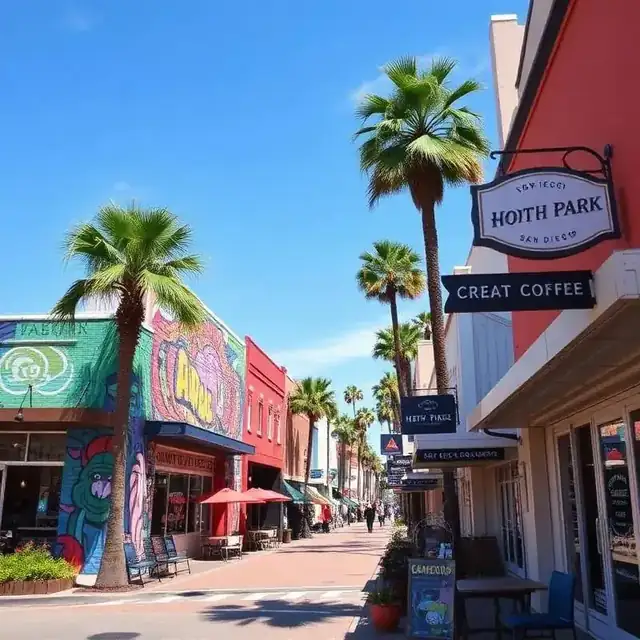
Girard Avenue is the main shopping stretch — Warwick's (the oldest continuously family-owned bookstore in the U.S., est. 1896) is the anchor. Around it you'll find independent jewelers, home shops like Everett Stunz, and California-brand boutiques.
The Museum of Contemporary Art San Diego (MCASD) reopened its expanded La Jolla campus in 2022 with cliff-top ocean views and a rotating contemporary collection. General admission is free for anyone 25 and under.
Athenaeum Music & Arts Library on Wall Street is a small membership library open to the public with rotating art exhibits and chamber-music concerts. One of the most under-visited cultural spots in the city.