Food
Japanese Grocery Stores in San Diego: A First-Timer's Shopping Guide
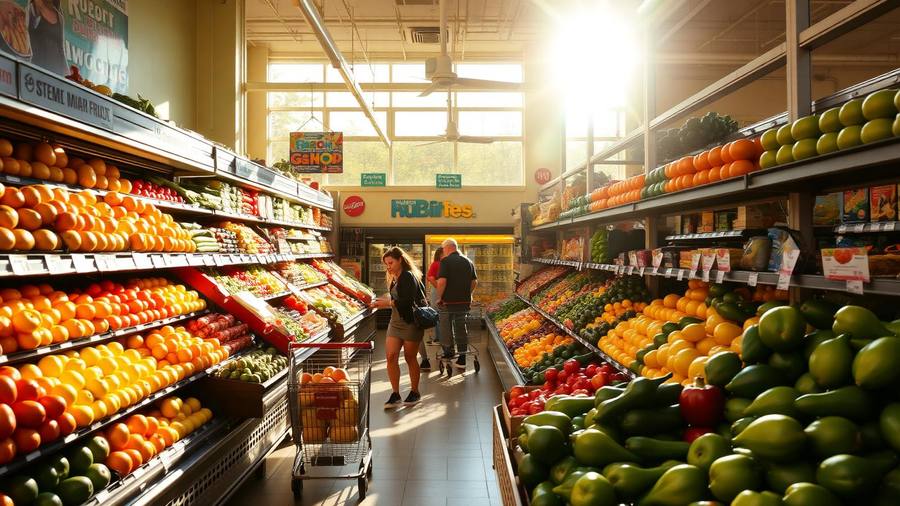
Which Japanese market fits your shopping trip?
All three stores are in the Kearny Mesa area. Store information checked November 26, 2026; department hours, holiday hours and stock can change.
| Market | Address | Best reason to choose it |
|---|---|---|
| Mitsuwa Marketplace | 4240 Kearny Mesa Rd | Lunch and groceries in one trip |
| Nijiya Market | 3860 Convoy St, Suite 109 | Focused Japanese grocery stop |
| Tokyo Central, Building 1 | 8151 Balboa Ave | Perishables and chilled or frozen foods |
| Tokyo Central, Building 2 | 8125 Balboa Ave | Pantry, dry groceries and snacks |
| Tokyo Central & Main | 8111 Balboa Ave | Separate non-food and household shopping |
The quick answer: choose a meal first
If you have never shopped at a Japanese grocery store, the biggest mistake is filling a cart with unfamiliar snacks and forgetting what you actually wanted to cook. Start with a small meal idea. If you want lunch and groceries together, Mitsuwa is a natural place to begin. For a more focused Convoy Street grocery stop, consider Nijiya. Tokyo Central's multi-building San Diego location is particularly useful if you want a substantial pantry restock and some household shopping.
These are suggestions based on current operator information, not a ranking of which store has the freshest fish or the lowest prices. Prices and selection change by brand, shipment, promotion and department. You do not have to visit all three on the same afternoon. A repeat visit after cooking with your first purchase will teach you much more than a cart full of unopened ingredients.
Mitsuwa: build the visit around a market lunch
Mitsuwa at 4240 Kearny Mesa Road posts regular grocery hours of 9 a.m. to 9 p.m. Its published specialty directory lists ramen at Santouka, Japanese meals at Musashiya, sushi and deli food at Nagomi, confectionery at J.sweets, and other counters. Their hours vary independently. Check before making a particular counter the reason for a late-day trip.
A useful first visit starts with a prepared lunch. Choose a bento, or a boxed meal, from the deli if available, or order at one of the restaurant counters. Think about whether you want a hot meal now or something chilled to take home. Prepared rice, seafood and other perishable foods should not sit in a hot car while you visit other stores. Carry an insulated bag for groceries and follow the storage and use-by guidance on the package.
Then browse the pantry aisles with a short list. Look for Japanese rice, miso paste, dried seaweed, noodles and cooking sauces. The store publishes rotating specials, including rice and Japanese ingredients, so compare the actual package size and unit price instead of assuming every imported product is expensive or every advertised special is the best value.
Nijiya: a smaller, focused shopping mission
Nijiya's San Diego store is at 3860 Convoy Street, Suite 109. Its location directory lists standard daily hours of 9 a.m. to 9 p.m. The business is a Japanese grocery specialist, and it is a good candidate for the weekly ingredients you have learned to use. Check current offerings if you are looking for a very specific brand or size, because a location page is not a live inventory feed.
Try a compact dinner basket: rice, tofu, a vegetable, miso and seaweed. If the store has the ingredients you need, add a protein or prepared item for the same day's meal. Buy a second kind of miso only if you have a reason to compare it. For packaged food, look for ingredient lists and English-language allergen disclosures, rather than relying entirely on a photo on the package. Imported foods may have labels or instructions that differ between versions.
Tokyo Central: the former Marukai and its three addresses
Visitors who remember Marukai in San Diego may still search for the old name. The operator announced the transition to Tokyo Central, so use the current name and verify which building you want. The grocery operation spans Building 1 at 8151 Balboa Avenue and Building 2 at 8125 Balboa Avenue. The first building is identified with fresh and chilled categories; the second focuses on packaged and dry foods. Both have published regular hours of 8 a.m. to 9 p.m.
Tokyo Central & Main is a separate location at 8111 Balboa Avenue, with a non-food emphasis and normal hours of 10 a.m. to 8 p.m. The grocery site also identifies prepared food, including sushi and bento. If you want bento boxes, kitchen accessories or stationery as well as groceries, check the floor map and finish the non-food browsing before buying chilled items. On Thanksgiving, Christmas and New Year's Day, the operator lists shorter holiday hours, which differ by building.
Your first Japanese pantry: what is worth buying
Rice: look for Japanese-style short-grain rice and buy a size you can store and use. Miso: a small tub of the type your recipe calls for is enough to begin; white and red miso often differ in flavor and fermentation character, and each manufacturer has its own formula. Soy sauce: choose a cooking or dipping product appropriate to your dish rather than assuming all dark liquids are interchangeable. Rice vinegar and sesame oil can expand your options, but buy them because you intend to use them.
For soup, kombu and bonito flakes are common dashi ingredients; many instant dashi products contain fish, so vegetarians and vegans should check labels carefully. Dried wakame can add texture to soup, and nori works well with rice. Choose a small package of udon, soba or ramen noodles and read its cooking instructions. Soba can include wheat even when buckwheat is prominent on the package. Japanese curry roux is useful for an easy rice-based dinner; check the actual ingredients and spice level.
For the refrigerator, tofu, vegetables and eggs can support several meals. If buying seafood to eat raw, do not assume ordinary supermarket fish is suitable for raw consumption. Ask the seller about its intended use and handling, and choose fully cooked food if you are uncertain. For a hotel room without cooking equipment, a small prepared meal and shelf-stable snacks make much more sense than a pantry restock.
A practical shopping route and spending plan
Do the non-food and shelf-stable shopping first, followed by chilled and frozen groceries at the last store before you head home. If you are buying lunch, eat it before the final cold-food purchase or take it home promptly. Compare package weights when looking at rice or noodles and keep a note of products you liked, especially when their names are hard to remember. An illustrative budget is simply a category limit you set in advance: one meal, a few staple ingredients and one optional snack; it is not a claim that any particular basket costs a fixed amount.
These markets occupy different plazas and commercial streets. Use a current route planner, legal parking and marked crossings rather than assuming a single parking spot permits visits to every business. Each store is enough for a useful outing on its own. If you want a restaurant meal first, use our Convoy ramen guide, and if you want to explore Korean-style baked goods next time, our bakery guide gives you a distinct shopping itinerary.