Food
A Convoy Ramen Crawl: 4 Styles of Japanese Noodles to Try
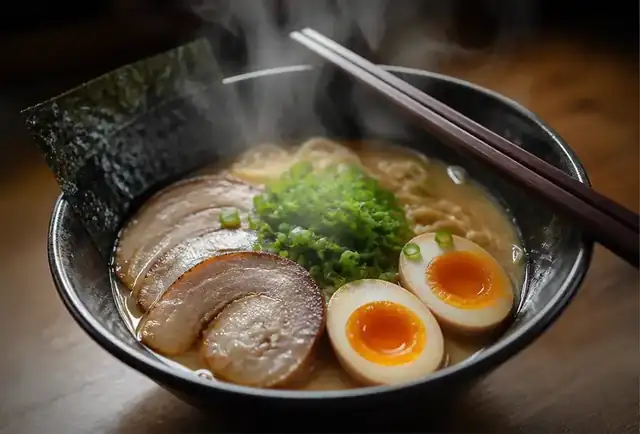
Four stops with different purposes
These are menu-based recommendations, not a blind tasting or a promise that every dish is available today. Addresses and menus reviewed November 26, 2026.
| Shop | Address | Suggested order |
|---|---|---|
| Menya Ultra | 8199 Clairemont Mesa Blvd, Suite M | House tonkotsu |
| Kitakata Ramen Ban Nai | 7951 Othello Ave, Suite 103 | Kitakata shoyu or tsukemen |
| Tajima Convoy | 4681 Convoy St, Suite H | Black garlic or vegan ramen |
| Santouka at Mitsuwa | 4240 Kearny Mesa Rd | Check the counter for its current shio selection |
How to do a ramen crawl without regretting the second bowl
The Kearny Mesa and Convoy area gives you a chance to compare Japanese ramen styles in one neighborhood, but a productive crawl is not a contest to finish four bowls. Most ramen restaurants are designed around a full meal, and a bowl is at its best immediately after it is served. Two stops on separate days, or two contrasting bowls shared by a small group where the restaurant permits sharing, are a much better introduction.
Choose the flavor contrast first: a rich pork-bone soup against a more translucent soy-seasoned broth, a hot noodle soup against dipping noodles, or a conventional pork bowl against a plant-based one. Our citywide ramen ranking helps you find restaurants across San Diego; this article is about choosing an order and understanding what you are eating. It is based on published menus and location information, not claimed recent firsthand tastings.
Learn the vocabulary before ordering
Tonkotsu describes a broth associated with pork bones, often emulsified into an opaque, rich soup. Shoyu describes soy-based seasoning, or tare; it does not tell you the entire broth's ingredients. Shio refers to salt-based seasoning, while miso ramen uses fermented soybean paste as a defining flavor. A shop can use pork broth with shoyu seasoning, so these labels are not mutually exclusive.
Tsukemen is a different format. The noodles and concentrated dipping broth arrive separately, and you dip small amounts of noodles into the broth as you eat. The format allows a useful comparison of texture and seasoning intensity. Chashu means the prepared pork topping; ajitama is a seasoned egg. Add-ons can change the meal substantially, so order the basic bowl first when the purpose is comparison.
Stop 1: Menya Ultra — a reference point for rich tonkotsu
The Clairemont location is at 8199 Clairemont Mesa Boulevard, Suite M. Menya Ultra makes its noodles with a blend of Japanese wheat flours and identifies rich pork broth as a central part of its approach. Its published Clairemont pickup menu lists a basic tonkotsu at $15.95, before additions, taxes or service-related costs. That is an online-menu snapshot rather than a guaranteed dine-in price.
Order the basic tonkotsu or its egg version for a first comparison. Take a sip of broth before adding seasonings and pay attention to how it coats the noodles. Notice the texture of the noodles separately from the meat and garnish. The restaurant's current menu identifies fish-flavored oil and soy in this pork-broth bowl, which matters to diners avoiding seafood or soy. The restaurant has an online waitlist; check its instructions and current service schedule before visiting. Do not confuse this chain's name or history with another local shop called Nishiki Ramen.
Stop 2: Kitakata Ramen Ban Nai — compare seasoning and noodle texture
Ban Nai's San Diego restaurant is at 7951 Othello Avenue, Suite 103. Its signature Kitakata bowl uses pork broth with a soy-based seasoning, chashu and bamboo shoots. The menu also lists spicy miso and multiple tsukemen choices. Start here if you prefer a bowl that is not primarily about the creamy texture associated with many tonkotsu shops.
For the strongest contrast, choose the standard Kitakata bowl after a tonkotsu meal on another day. Alternatively, choose a tsukemen version and observe how dipping only part of each noodle portion changes the intensity. Do not automatically drink all of a concentrated dipping broth; ask whether the shop offers a way to dilute it at the end. Ban Nai's online menu notes fish, soy and wheat in its regular Kitakata bowl. A gluten-free noodle option does not establish that the broth or kitchen is free of gluten or cross-contact.
Stop 3: Tajima — compare two bowls from the same kitchen
Tajima's original Convoy location is at 4681 Convoy Street, Suite H. The operator describes a common tonkotsu base with different finishes, including garlic-forward Black and spicy Red alongside White. That makes this shop a particularly useful place to compare seasoning choices while keeping more of the underlying bowl consistent. Go with someone who enjoys a different flavor profile and compare descriptions rather than assuming the hotter one is better.
Tajima also offers a vegan ramen with a soy-based broth, tofu and spinach noodles. That is a more promising starting point for a mixed-diet group than trying to remove the pork topping from a bowl made with animal broth. The restaurant says it does not offer gluten-free noodles. Its Convoy location takes walk-ins rather than reservations, and the company publishes later Friday and Saturday hours. Verify the service schedule and arrive before the kitchen's last order.
Stop 4: Santouka — a market lunch rather than another dinner
Mitsuwa Marketplace at 4240 Kearny Mesa Road lists Santouka among its food counters. Consider this a separate lunch stop before shopping for Japanese groceries. Look at the current counter menu for a shio bowl if available, or choose a small meal that fits your appetite. Santouka's service hours are not identical to the surrounding supermarket's hours, so the last order can be much earlier than the store closing time.
This format works well when one person wants a bowl of noodles and another wants something from the market's other counters. It is not a guarantee that all counters have the same opening times, seating arrangements or dietary options. Use the market's directory to choose a fallback and check the individual menu rather than treating the entire food area as one restaurant.
The best practical two-stop plans
For the pork-broth comparison, try Menya Ultra and Ban Nai on different meals. For a noodle-format comparison, order soup ramen once and tsukemen on another visit. For a mixed vegetarian and meat-eating group, start at Tajima and confirm each order's ingredients with the kitchen. For a short shopping day, make the market food counter the only ramen stop and spend the rest of the time browsing.
Convoy-area destinations sit in different commercial plazas, not on one compact pedestrian lane. Use legal crossings, check posted parking limits and leave time to move between locations. Set a spending limit based on actual menus, including tax, tip where relevant and optional toppings. Skip appetizers if you plan a second bowl. Ramen is also sensitive to transport time; if ordering takeout, follow the restaurant's noodle and broth instructions. The best result of a crawl is knowing which style you would like to order again.