Sandi Spots
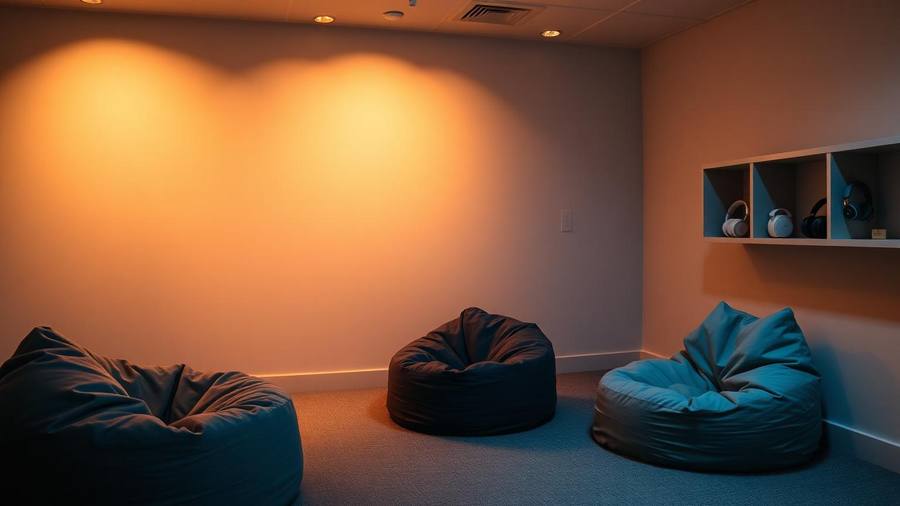
    Calm dimly lit sensory-friendly quiet room with bean bag chairs, soft warm lighting, and noise-cancelling headphones on a shelf

    Sensory-Friendly San Diego

    Low-sensory hours, quiet rooms, and the outings that work when a normal Saturday does not.

    Last updated

    Quick answer

    San Diego's major attractions run sensory-friendly programming, but almost all of it is scheduled — a handful of mornings per year rather than a standing weekly slot. Balboa Park museums, the Fleet Science Center, the New Children's Museum, the San Diego Zoo and Safari Park, SeaWorld, Legoland, and several theaters all offer some version of a low-sensory morning: reduced sound and lighting, capped attendance, quiet rooms, and staff briefed in advance. Legoland's Sensory Guide and SeaWorld's Certified Autism Center training are the deepest year-round commitments in the county. When there is no scheduled event, the reliable low-sensory outings are weekday-morning museum visits, tide pools, Mission Bay paths, and library programs. Always call the venue's accessibility line before you go and ask three things: is there a quiet room, can we enter early or through a side door, and can we bring our own food.

    Sensory-friendly options at San Diego attractions

    VenueProgram typeFrequencyQuiet space
    Legoland CaliforniaSensory guide + quiet roomsYear-roundYes
    SeaWorld San DiegoAutism center training, quiet roomsYear-roundYes
    Fleet Science CenterSensory-friendly morningsPeriodicUsually
    New Children's MuseumLow-sensory play hoursPeriodicUsually
    San Diego Zoo / Safari ParkAccessibility accommodationsYear-roundAsk at entry
    Balboa Park museumsQuiet mornings, free TuesdaysVariesVaries
    Theaters and performing artsRelaxed performancesA few per seasonYes, during shows
    LibrariesSensory storytimeMonthly-ishYes

    Venues with real programs

    These are the places that have built something, not just added a line to a web page.

    Legoland California

    The most systematic sensory program in the county: a published ride-by-ride sensory guide rating noise, lighting, and motion, quiet rooms in the park, and a hero pass that reduces queue time. Carlsbad is a drive, but for a first big-attraction attempt with an autistic child this is the softest landing.

    SeaWorld San Diego

    Staff-wide autism training, quiet rooms, and a ride accessibility program that lets you skip the standard queue environment. The aquarium halls are the low-stimulation part of the park; the shows and the midway are the loudest.

    Fleet Science Center

    Runs periodic sensory-friendly mornings with the sound cut, lights raised or lowered depending on the exhibit, capped attendance, and a designated calm space. The regular exhibit floor is hands-on and forgiving even outside those events.

    The New Children's Museum

    Downtown, three floors of tactile art installations, and periodic low-sensory play hours before general opening. The building can get loud at midday on weekends; the first hour of a weekday is a completely different place.

    San Diego Zoo and Safari Park

    No standing sensory hours, but generous accommodations if you ask at Guest Services: accessible entry, quiet locations to regroup, and guidance on which areas are least crowded. Safari Park is the calmer of the two, with more open space and fewer chokepoints.

    Theaters and performing arts

    The Old Globe, La Jolla Playhouse, and several family theaters schedule relaxed or sensory-friendly performances a few times a season — house lights partly up, sound levels reduced, free movement in and out, and a lobby quiet space.

    Low-sensory outings any day

    When there is no scheduled event, the environment is the accommodation. These are quiet by default.

    Tide pools at low tide

    Outdoors, open, quiet, and endlessly interesting without a single speaker or screen. Weekday low tides at Cabrillo, Bird Rock, and Swami's are close to empty.

    Mission Bay paths

    Wide, flat, and predictable, with easy exits and plenty of space to walk away from noise. Fiesta Island in particular is nearly empty on weekday mornings.

    Library sensory storytime

    Branch libraries run sensory-friendly and adaptive storytimes with small groups, movement built in, and no expectation that anyone sits still. Free, local, and repeatable, which matters more than novelty for a lot of families.

    Weekday-morning museums

    Most Balboa Park museums are near-empty from opening until about 11am on a weekday. That is functionally a sensory-friendly hour with no registration required.

    Botanic gardens and open space

    Gardens give you outdoor space, defined paths, shade, and low ambient noise — a good middle ground between a park and a paid attraction.

    Sensory-friendly movie screenings

    Several county theaters run monthly sensory screenings with the lights up, the volume down, and no expectation of silence. Check the chain's accessibility page for the current schedule; times shift often.

    Planning an outing that holds together

    The venue matters less than the plan around it.

    Call the accessibility line first

    Ask about a quiet room, early or alternate entry, whether you can bring your own food and drink, and whether headphones and comfort items are allowed everywhere. Every one of those answers changes the day.

    Preview the place

    Most large attractions publish a social story or a photo walkthrough. Look at the entrance, the queue, and the bathroom together before you go so nothing at the gate is a surprise.

    Go at opening, leave at lunch

    Crowds, heat, and noise all peak between 11am and 3pm in San Diego. A 9am to 12pm visit is a different attraction from a 1pm one.

    Pick the exit before you need it

    Identify the quiet room, a shaded bench outside, and the path back to the car when you arrive. Knowing the retreat exists is often what makes the rest of the visit possible.

    Bring the kit

    Noise-cancelling headphones, sunglasses, a hat, a familiar snack, water, and a fidget. San Diego's sun and glare are a sensory factor in their own right and are easy to underestimate.

    Ask about a guest assistance pass

    Legoland, SeaWorld, and the Zoo all have programs that reduce time spent in queues. They require a conversation at Guest Services on arrival, not a doctor's note, and they are the single biggest lever at a big attraction.

    Before you go

    • • Access equipment breaks and programs change. Call the lifeguard station, park office, or venue the morning of your visit rather than trusting any published list — including this one.
    • • Beach wheelchairs are first-come and are not motorized. Most require a companion to push through soft sand, and none of them float.
    • • Accessible parking placards from any US state are honored in California, but the meter-exempt rules only apply to on-street meters, not private lots or beach lots with gates.
    • • Sensory-friendly hours are usually a handful of dates per year, not a standing schedule. Check the venue's accessibility page a month out and put the dates on your calendar.

    Frequently asked

    Does San Diego have sensory-friendly events for autistic kids?

    Yes. The Fleet Science Center, the New Children's Museum, Balboa Park museums, local theaters, and county libraries all run periodic sensory-friendly mornings, relaxed performances, and adaptive storytimes. Most are scheduled a few times a year rather than weekly, so check venue accessibility pages a month ahead.

    Which San Diego attraction is best for an autistic child?

    Legoland California, because of its published sensory guide, in-park quiet rooms, and queue-reduction pass. SeaWorld is the strongest option inside the city with autism-trained staff and quiet rooms, and Safari Park is the calmest of the animal parks.

    Are there quiet rooms at San Diego theme parks?

    Legoland and SeaWorld both maintain designated quiet rooms. At the San Diego Zoo, Safari Park, and most museums there is no formal room, but Guest Services can point you to a low-traffic area to regroup if you ask at the entrance.

    What are good low-sensory outings in San Diego?

    Tide pools at low tide, Mission Bay paths on a weekday morning, botanic gardens, library sensory storytimes, and Balboa Park museums right at opening. All are quiet by default and do not require a scheduled event.

    Do San Diego theaters offer relaxed performances?

    Yes. The Old Globe, La Jolla Playhouse, and several family theaters schedule sensory-friendly or relaxed performances a few times each season, with house lights partly raised, reduced sound levels, freedom to move in and out, and a lobby quiet space.

    How do I get a guest assistance pass in San Diego?

    Ask at Guest Services when you arrive at Legoland, SeaWorld, the Zoo, or Safari Park. You describe what your family needs — usually reduced queue time or an alternate entrance — and staff issue the appropriate pass. No medical documentation is required.

    Keep reading

    The Sandi Spots Newsletter

    San Diego, in your inbox.

    New beach finds, hidden taco shops, weekend events, and seasonal guides — once a week from a local. No spam, ever.

    One email a week. Unsubscribe anytime.

    About this guide

    Written and fact-checked by the Sandi Spots Editorial team — San Diego residents publishing under Sleep Coast LLC. Every place we recommend has been visited in person or verified against an official source, and no business can pay for inclusion or a higher ranking. Last updated .

    Local, first-hand. Reported on the ground in San Diego County.
    Kept current. Prices, hours, and closures reviewed on a rolling basis.
    Independent. Affiliate links never influence rankings.

    Editorial policy · About us · Suggest a correction