Sandi Spots
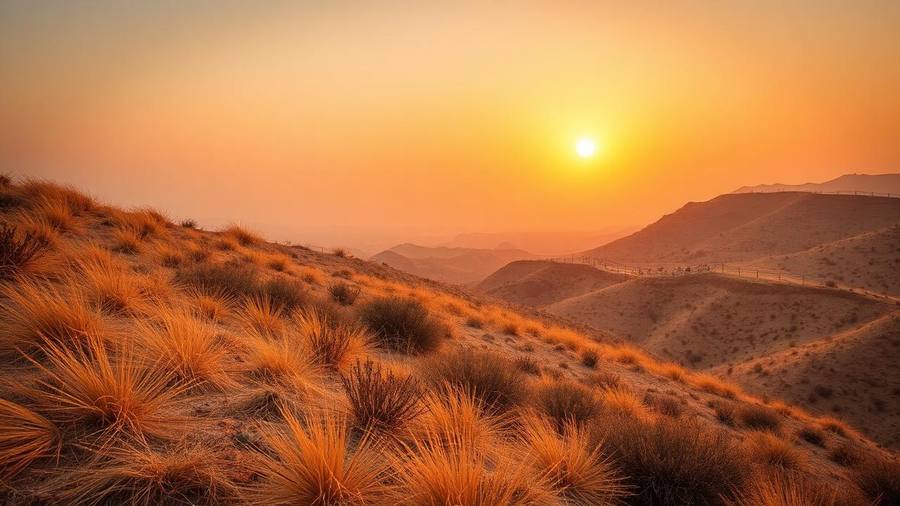
    Dry golden San Diego backcountry hillsides under a hazy orange sky during Santa Ana wind conditions

    San Diego Emergency Prep: Wildfire, Earthquake, Santa Anas and Air Quality

    The three-day version of readiness, written for people who moved here from somewhere with weather.

    Last updated

    Quick answer

    San Diego's main hazards are wildfire, earthquakes and heat, not storms. Sign up for AlertSanDiego to receive evacuation notifications on your cell phone — landlines are enrolled automatically but mobile numbers are not — and install the SD Emergency and MyShake apps. Wildfire risk peaks from late summer through December when Santa Ana winds blow hot, dry air from the desert toward the coast; those same conditions trigger SDG&E Public Safety Power Shutoffs in backcountry areas. Earthquake risk comes largely from the Rose Canyon fault running under the coastal city, so secure heavy furniture and water heaters and keep shoes and a flashlight by the bed. Build a kit that covers three days without power or stores: water, food, medications, chargers, cash, N95 masks, and copies of documents. Know two ways out of your neighborhood, and never wait for a knock on the door if the wind is up.

    Hazards by season

    HazardWhenWhat it means locally
    Santa Ana windsSept–Dec, sometimes into springHot, dry offshore winds; extreme fire spread risk
    WildfireLate summer–early winterBackcountry and canyon-edge neighborhoods most exposed
    Public Safety Power ShutoffDuring red flag wind eventsPreemptive SDG&E outages in high-risk areas
    EarthquakeAny timeRose Canyon fault runs under coastal San Diego
    Wildfire smokeDuring regional firesAir quality can drop for days from fires far away
    Extreme heatAug–Oct, inland worstInland valleys and East County run 15–25°F hotter than coast
    Coastal flooding / king tidesWinter stormsLow-lying beach communities and Mission Valley flooding

    Alerts to set up today

    AlertSanDiego

    The county's mass notification system used for evacuation orders and warnings. Landline numbers are enrolled automatically, but you must register cell numbers, VoIP lines and email addresses yourself. Register every address that matters — home, work, a relative's house. This is the single most important five minutes on this page.

    SD Emergency app

    The county's official app with evacuation maps, shelter locations, real-time incident information and preparedness checklists. Download it before you need it, because cell networks get congested during incidents.

    Wireless Emergency Alerts

    The loud automatic alerts pushed to phones in a geographic area. Confirm they are enabled in your phone's notification settings — people disable them after a test and forget.

    MyShake and ShakeAlert

    California's earthquake early warning system can give a few seconds of notice before shaking reaches you. Install MyShake and enable earthquake alerts in your phone's safety settings.

    SDG&E outage and PSPS notifications

    If you live in or near the backcountry, enable Public Safety Power Shutoff alerts through your SDG&E account so you learn about a planned outage before the lights go out, not after.

    Air quality tracking

    Follow the San Diego County Air Pollution Control District and a real-time AQI app during any regional fire. Smoke from fires hundreds of miles away routinely degrades air here for days.

    Wildfire and Santa Ana season

    The 2003 Cedar Fire and 2007 Witch Creek Fire both burned during Santa Ana events and reached suburban San Diego. Fire here is not just a backcountry problem — canyons run through the middle of the city.

    Know your evacuation zone and two exits

    Look up your address on the county's evacuation map and identify two routes out of your neighborhood. Many canyon and hillside communities have one road in and out, which is exactly why early departure matters more than packing well.

    Go early, not on the order

    Wind-driven fires move faster than traffic. If a fire is upwind of you and the wind is blowing, leave before a warning becomes an order. Locals with animals or elderly family members leave at the warning stage as a rule.

    Harden the home and clear defensible space

    Ember intrusion causes most home losses, not a wall of flame. Clean roofs and gutters, screen attic and crawlspace vents with fine metal mesh, keep the first five feet around the house free of mulch and plants, and maintain 100 feet of defensible space where required. Fire agencies inspect brush clearance in high-risk areas.

    Prepare for a power shutoff

    PSPS events can last more than a day. Keep phones and battery banks charged when a red flag warning is issued, know that well pumps and electric gates fail without power, and have a plan for anyone dependent on powered medical equipment — SDG&E's Medical Baseline program flags those households.

    Insurance before the fire

    California's homeowners insurance market has tightened sharply in fire-prone ZIP codes, and the FAIR Plan is the fallback for many. Review coverage limits and check whether you have extended replacement cost well before wildfire season, because policies cannot be changed once a fire is burning nearby.

    Earthquakes

    The Rose Canyon fault is real

    An active fault runs from offshore through La Jolla, Mission Bay and downtown San Diego. It is quieter than the San Andreas but capable of a damaging quake, and its location under a dense urban corridor is what makes it consequential.

    Secure the heavy things

    Strap the water heater, anchor tall bookcases and dressers to studs, use museum putty on shelved items, and keep heavy objects off the wall above beds. This is a one-afternoon project that prevents most household injuries.

    Drop, cover, hold on

    Get under a sturdy table, protect your head and neck, and stay put until the shaking stops. Do not run outside during shaking — falling façade material is the danger at the doorway.

    Shoes and a flashlight by the bed

    Broken glass on the floor causes a large share of post-quake injuries. A headlamp and closed shoes under the bed is the cheapest preparation there is.

    Know how to shut off gas and water

    Keep a wrench near the gas meter and learn the water shutoff location. Only turn off gas if you smell or hear a leak — once it is off, it takes a utility visit to restore.

    Tsunami zones exist here

    Low-lying coastal areas including Mission Beach, Mission Bay and parts of the harbor sit in mapped tsunami hazard zones. The guidance is simple: if you are on the coast and feel strong or long shaking, move inland or to higher ground without waiting for an official alert.

    The kit and the plan

    Three days minimum, two weeks better

    One gallon of water per person per day, shelf-stable food, a manual can opener, medications, a first aid kit, battery bank and cables, a flashlight per person, a battery or hand-crank radio, cash in small bills, and copies of ID, insurance and deeds in a sealed bag or encrypted cloud folder.

    Go-bag by the door

    A packed bag that leaves with you in five minutes: documents, medications, chargers, a change of clothes, sturdy shoes, N95 masks, pet supplies and leashes, and a printed list of the irreplaceable items to grab if you get ten more minutes.

    Car kit

    Keep the tank above half during fire season, and store water, shoes, a phone charger, a paper county map and N95 masks in the vehicle. Traffic apps route poorly during evacuations.

    Smoke days at home

    N95 or KN95 masks, not cloth. Close windows, run air conditioning on recirculate, and use a HEPA purifier or a box-fan filter build in one room. Skip outdoor exercise when AQI climbs; children, older adults and anyone with asthma should stay in.

    Pets and animals

    Carriers, food, medications and current photos with your pet. San Diego's large horse population in the backcountry means trailer plans matter; county animal services runs large-animal evacuation support during major fires.

    Out-of-area contact

    Local phone service congests during incidents while long distance often works. Agree on one out-of-state contact everyone in the household texts, and a physical meeting point if phones are down.

    Notes

    • • This is general preparedness information, not official emergency guidance — follow instructions from CAL FIRE, San Diego County Office of Emergency Services and local law enforcement during an incident.
    • • Register cell numbers with AlertSanDiego; only landlines are enrolled automatically.
    • • Red flag warnings mean critical fire weather — avoid outdoor equipment that throws sparks and postpone backcountry trips.
    • • Text rather than call during an emergency; texts get through congested networks more reliably.

    Frequently asked

    When is wildfire season in San Diego?

    Risk builds through late summer and peaks from September through December, when Santa Ana winds bring hot, dry offshore air. San Diego's most destructive fires, including the 2003 Cedar Fire and 2007 Witch Creek Fire, burned during autumn Santa Ana events. Fires can occur any month in a dry year.

    What are Santa Ana winds?

    Strong, hot, very dry winds that blow from the inland deserts toward the coast, reversing San Diego's usual onshore breeze. They drop humidity into single digits and can push a fire miles in hours, which is why red flag warnings and power shutoffs coincide with them.

    How do I sign up for San Diego emergency alerts?

    Register your cell phone, VoIP lines and email with AlertSanDiego, the county's mass notification system — only landlines are enrolled automatically. Also install the SD Emergency app, enable Wireless Emergency Alerts on your phone, and install MyShake for earthquake early warning.

    Does San Diego get earthquakes?

    Yes. The active Rose Canyon fault runs offshore and through La Jolla, Mission Bay and downtown. Damaging quakes are less frequent than in Los Angeles or the Bay Area, but the fault's location under a dense urban corridor makes preparation worthwhile — secure water heaters and tall furniture, and keep shoes and a flashlight by the bed.

    What is a Public Safety Power Shutoff?

    A preemptive outage by SDG&E during extreme fire weather to prevent power lines from igniting a fire. They mainly affect backcountry and high-risk areas and can last more than a day, so charge devices when a red flag warning is issued and plan for well pumps, electric gates and medical equipment that need power.

    What should be in a San Diego emergency kit?

    A gallon of water per person per day for at least three days, shelf-stable food, medications, a first aid kit, flashlights, a battery bank, a hand-crank radio, cash in small bills, N95 masks for smoke, pet supplies, and copies of ID, insurance and property documents. Keep a smaller go-bag by the door for evacuations.

    How bad does wildfire smoke get in San Diego?

    Air quality can degrade for days from fires burning hundreds of miles away, not just local ones. Track the AQI during any regional fire, use N95 or KN95 masks outdoors, run air conditioning on recirculate, and use a HEPA purifier in one room as a clean-air space.

    Keep reading

    The Sandi Spots Newsletter

    San Diego, in your inbox.

    New beach finds, hidden taco shops, weekend events, and seasonal guides — once a week from a local. No spam, ever.

    One email a week. Unsubscribe anytime.

    About this guide

    Written and fact-checked by the Sandi Spots Editorial team — San Diego residents publishing under Sleep Coast LLC. Every place we recommend has been visited in person or verified against an official source, and no business can pay for inclusion or a higher ranking. Last updated .

    Local, first-hand. Reported on the ground in San Diego County.
    Kept current. Prices, hours, and closures reviewed on a rolling basis.
    Independent. Affiliate links never influence rankings.

    Editorial policy · About us · Suggest a correction