Moving
Moving to San Diego: The 60/30/7-Day Relocation Checklist
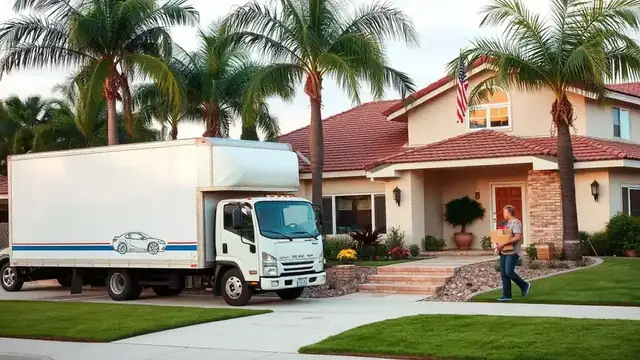
Most relocation guides are generic. This one is San Diego-specific — built around the things that genuinely catch new arrivals off guard, in the order you actually need to do them.
60+ days before the move
Visit in person if you haven't. A weekend trip in May (May Gray) and another in February (perfect weather) gives you a realistic baseline.
Pick 3 candidate neighborhoods using our neighborhood guide and the cost-of-living breakdown.
Book a moving company. San Diego rates are higher than the national average — quote 4–6 movers, not 2.
Notify your employer or start the job search. Biotech, defense, and tourism are the dominant sectors.
If you have school-age kids, check school district boundaries. Houses one block apart can be in completely different districts.
30 days before
Sign your lease or close on your home. Most San Diego landlords require first month, last month, and security deposit upfront.
Schedule SDG&E to start service on move-in day. They are the only utility option for both gas and electricity, so book early.
Schedule internet. Cox, AT&T Fiber, and Spectrum are the main options. Fiber is available in most central neighborhoods.
Submit a USPS change of address.
Get a vet recommendation if you have pets — popular practices in coastal neighborhoods have multi-month waits.
7 days before
Pack a 'first night' box: bedding, towels, toiletries, phone chargers, coffee setup, and a fan (June Gloom can run warm and most rentals lack AC).
Confirm move-in time with your landlord and elevator/loading-dock reservation if applicable.
Print out paper directions to your new place — Google Maps fails in some North County canyons.
Stock up on prescription medications; California's pharmacy transfer process can take a few days.
Move-in day
Walk the unit with your landlord and document every existing damage with photos. California security deposit law is renter-friendly only if you have evidence.
Test all appliances, water heater, and outlets immediately.
Locate the main water shut-off and gas shut-off — required earthquake prep.
Check for working smoke and CO detectors. State law requires both.
First week
DMV — register your car within 20 days of establishing residency. Make an appointment online; walk-ins routinely wait 4+ hours.
Get a California driver's license within 10 days of becoming a resident. Bring two proofs of address, your out-of-state license, and your Social Security card.
Register to vote. California allows online registration if you have a CA driver's license.
Switch to a California-based primary care doctor and pediatrician. Sharp, Scripps, and UC San Diego Health are the three major networks.
Register for a library card — it's free and unlocks museum passes (San Diego Library has free passes to 25+ museums).
First month
Earthquake prep: secure tall furniture to walls, store water (1 gallon/person/day for 3 days), assemble a basic go-bag.
Sign up for SDG&E's Medical Baseline or CARE programs if eligible — significant utility discounts.
Walk every street within a half-mile of your new place. You'll find the coffee shop, the dive bar, and the dog park you'll use weekly.
Join the local Buy Nothing Facebook group for your neighborhood — fastest way to furnish + meet neighbors.
Things people forget
Sunscreen rotation — buy SPF 30+ in bulk; you'll use it daily.
A second pair of sunglasses for the car.
A light jacket for evening — even July nights drop into the 60s°F near the coast.
Reusable shopping bags — California has a single-use bag ban.
An ID wallet — many beach lots, restaurants, and event venues require ID checks far more than you'd expect.
For more on what to do once you're settled, see our things to do in San Diego guide and our local travel tips & FAQ.