Sandi Spots
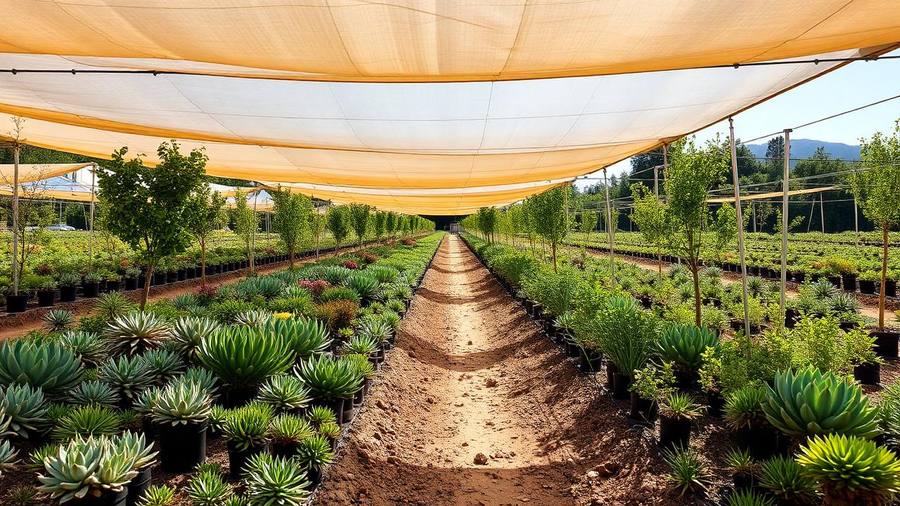
    Rows of succulents, citrus trees and native plants under shade cloth at a Southern California nursery

    Best Plant Nurseries in San Diego

    Buy for your microclimate, plant in fall, and skip the big box for anything you want to keep alive.

    Last updated

    Quick answer

    San Diego's independent nurseries beat the big-box garden centers on two things that matter: plants grown for this climate rather than trucked in from a wetter one, and staff who can tell you whether something survives in your specific microclimate. The county spans coastal fog, inland heat and high desert within 40 miles, and a plant that thrives in Encinitas can cook in El Cajon. For California natives, look to the specialist native nurseries in the inland north county; for succulents and cactus, the growers around Escondido and Vista have the deepest selection in the state; for citrus and fruit trees, the Vista and Fallbrook growing belt is where the good rootstock comes from; and for houseplants, the mid-city shops in North Park and South Park have the curated stock. Plant in October and November, not spring — fall planting gives roots the whole cool season to establish before the first dry summer.

    Where to buy what

    What you wantWhere to lookNotes
    California nativesSpecialist native nurseries, inland north countyBuy small — natives establish better from 1-gallon
    Succulents and cactusEscondido / Vista growersDeepest selection in the state
    Citrus and fruit treesVista and Fallbrook growing beltAsk about rootstock and chill hours
    HouseplantsNorth Park / South Park plant shopsHigher prices, better condition
    Bulk soil, mulch, gravelLandscape supply yards, Miramar and El CajonBy the cubic yard, bring a truck
    Cheap annuals and basicsBig-box garden centersFine for color, not for permanent plantings

    Know your microclimate first

    This is the whole ballgame in San Diego. Before you buy anything, know which of these you live in.

    Coastal (fog belt)

    Ocean Beach to Encinitas, within ~3 miles of the water

    Mild, humid, rarely freezing, but low light through May and June and constant salt wind. Great for succulents, coastal natives, avocado and most subtropicals; bad for anything that needs summer heat to fruit, like melons and some stone fruit.

    Inland valleys

    Mission Valley, Escondido, El Cajon, Poway

    Hot summers, real winter chill, and enough temperature swing to grow deciduous fruit properly. Also where afternoon sun will kill a plant labeled 'full sun' at a coastal nursery. Shade cloth in July is not optional for new plantings.

    Mountains and high desert

    Julian, Ramona, Borrego

    Frost, snow at elevation, and enough chill hours for apples and pears — which is why Julian grows them. Borrego is the opposite extreme: desert species only, and irrigation is the limiting factor.

    The nursery types worth knowing

    Native plant specialists

    The only reliable source for locally appropriate manzanita, ceanothus, sages, buckwheat and toyon. Staff here will talk you out of overwatering, which is the leading cause of dead native plantings in this county. Selection peaks in fall.

    Local tip: Buy natives in 1-gallon pots. They out-perform 5-gallon plantings within two years and cost a fifth as much.

    Succulent and cactus growers

    The Escondido-Vista corridor supplies much of the country's succulent trade. Expect greenhouse after greenhouse of aloe, agave, echeveria and rare cactus at prices that make the boutique shops look absurd.

    Citrus and fruit tree nurseries

    Vista and Fallbrook are historic growing country. Ask two questions: what rootstock, and how many chill hours does this variety need. Getting the second one wrong is why an inland-bought peach never fruits at the coast.

    Full-service garden centers

    The general independents carry a bit of everything plus soil, amendments, pots and advice. More expensive than the big box, and worth it for anything going in the ground permanently.

    Landscape supply yards

    For decomposed granite, mulch, boulders and soil by the cubic yard. Delivery fees make small orders uneconomical; three yards is roughly a pickup bed and change.

    Houseplant shops

    The mid-city plant boutiques carry monstera, philodendron, hoya and the current trend plants in good condition, with pots and repotting services. Prices are retail, but you're buying a healthy specimen and someone who can diagnose it later.

    Planting for a low-water yard

    Plant in fall

    October through December. Cool soil, occasional rain, and six months for roots to establish before summer. Spring planting means babysitting a new plant through its first dry season with a hose.

    Check for turf rebates before you rip anything out

    The regional water authority and many local districts run turf-replacement rebate programs with per-square-foot payouts. They require pre-approval before removal, so apply first — tearing out the lawn on Saturday forfeits the money.

    Group plants by water need

    Hydrozoning is the difference between a garden that works and one you fight. Natives and succulents on one drip valve, thirsty ornamentals and vegetables on another. Mixing them on one line kills half of whichever group loses.

    Mulch three inches, keep it off the trunk

    Mulch is the cheapest water bill reduction available. Three inches of coarse bark or wood chips over the root zone, pulled back a few inches from stems and trunks to avoid rot.

    Gophers are the real pest here

    Not deer, not rabbits — gophers, in most of the county. Plant valuable trees and vegetables in wire baskets from day one; retrofitting after you lose a citrus is a much worse afternoon.

    Practical notes

    • • Most nurseries open early and close by 5pm; the growers in Vista and Escondido often close by 4 and some are closed Sundays.
    • • Bring a truck or an SUV with folded seats for anything in a 15-gallon pot — few nurseries deliver small orders for free.
    • • Fire-safe landscaping rules apply in the wildland-urban interface; check defensible-space requirements before planting near a structure in East County.
    • • Ask for the grower's water schedule for the first 90 days and write it down — new plantings die from the wrong schedule far more often than the wrong plant.

    Frequently asked

    What is the best plant nursery in San Diego?

    It depends what you're buying: native plant specialists in the inland north county for natives, the Escondido-Vista growers for succulents and cactus, Vista and Fallbrook for citrus and fruit trees, and the mid-city shops for houseplants.

    When should I plant in San Diego?

    October through December. Fall planting lets roots establish through the cool, occasionally wet season so plants can handle their first dry summer. Spring planting works but requires far more watering.

    What plants grow best in San Diego?

    California natives like ceanothus, manzanita and sages, succulents and agaves, citrus, avocado near the coast, and Mediterranean plants such as rosemary, lavender and olive. All of them prefer good drainage.

    Are there rebates for replacing my lawn in San Diego?

    Yes — regional and local water agencies run turf-replacement rebates paid per square foot. You must apply and get approval before removing the lawn, so start the paperwork first.

    Where do I buy soil and mulch in bulk in San Diego?

    Landscape supply yards in Miramar, Kearny Mesa and El Cajon sell by the cubic yard, which is dramatically cheaper than bagged soil. One pickup bed holds roughly two to three yards.

    Do big-box garden centers work in San Diego?

    For annual color and basic supplies, yes. For permanent plantings, independents are worth the premium because their stock is grown for this climate and the staff can match plants to your specific microclimate.

    Keep reading

    The Sandi Spots Newsletter

    San Diego, in your inbox.

    New beach finds, hidden taco shops, weekend events, and seasonal guides — once a week from a local. No spam, ever.

    One email a week. Unsubscribe anytime.

    About this guide

    Written and fact-checked by the Sandi Spots Editorial team — San Diego residents publishing under Sleep Coast LLC. Every place we recommend has been visited in person or verified against an official source, and no business can pay for inclusion or a higher ranking. Last updated .

    Local, first-hand. Reported on the ground in San Diego County.
    Kept current. Prices, hours, and closures reviewed on a rolling basis.
    Independent. Affiliate links never influence rankings.

    Editorial policy · About us · Suggest a correction