The Portuguese fleet
Point Loma · Azores families
Families from the Azores and Madeira built and captained much of the purse-seine fleet, and the Roseville neighborhood grew around them. The community's festa still runs annually.
We use cookies for essential site functions and, with your permission, for analytics and advertising. California residents can opt out of the sale or sharing of personal information at any time. See our Privacy Policy, Cookie Policy, and Do Not Sell or Share My Personal Information.
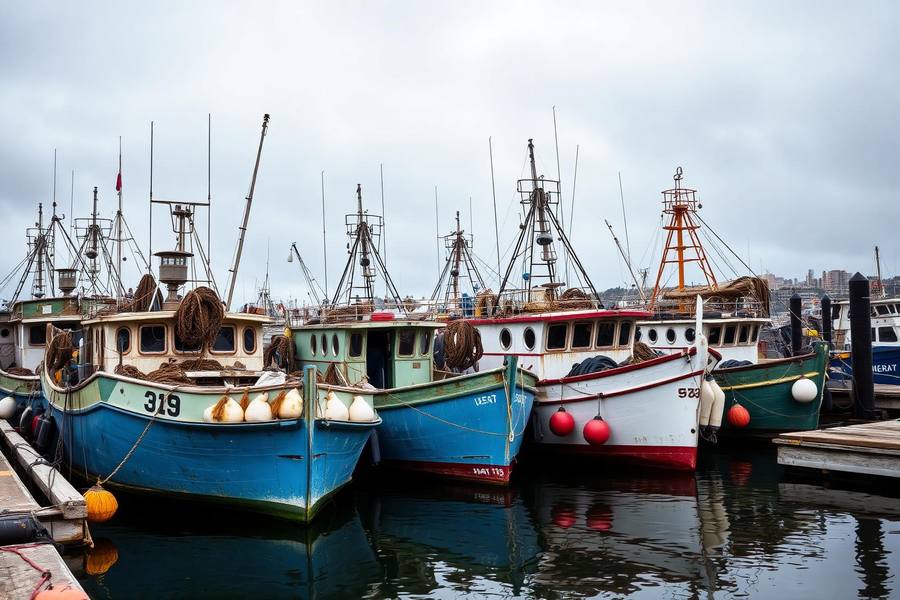
Portuguese and Italian fleets, a dozen canneries on the bay, and the neighborhoods those boats paid for.
Last updated
For most of the 20th century San Diego called itself the Tuna Capital of the World, and it was not marketing. Portuguese families from the Azores and Italian families from Sicily built a fleet of purse seiners out of Point Loma and Little Italy, and a row of canneries along the bay employed thousands — many of them women on the packing lines. The industry peaked mid-century and then unwound fast: foreign competition, rising costs and dolphin-protection regulations pushed processing offshore, and the last major cannery closed in the 1980s. What's left is cultural rather than industrial. Little Italy became a dining district instead of a fishing neighborhood, Point Loma still holds the Portuguese community and the annual Festa do Espírito Santo, and a working commercial fleet still lands fish at Tuna Harbor Dockside Market on Saturday mornings.
| Place | Connection | Visit |
|---|---|---|
| Tuna Harbor Dockside Market | Working fishermen selling direct | Saturday mornings |
| Little Italy | Sicilian fishing families' neighborhood | Any day; Saturday mercato |
| Point Loma / Roseville | Portuguese community center | Festa in early summer |
| Maritime Museum | Fleet and harbor history | Ticketed |
| Embarcadero fishermen's memorial | Names of those lost at sea | Free |
| Seaport / Tuna Harbor | Remaining commercial docks | Free to walk |
Rates and availability change daily, so we link the guide rather than quote a price. Each page compares walkable, short-drive and budget options with parking and resort fees called out.
Point Loma · Azores families
Families from the Azores and Madeira built and captained much of the purse-seine fleet, and the Roseville neighborhood grew around them. The community's festa still runs annually.
Little Italy · India Street
Sicilian families settled the blocks nearest the waterfront. When the freeway cut through in the 1960s and the fishing declined, the neighborhood nearly emptied before its restaurant-era revival.
Bayfront · Peak mid-century
A dozen plants processed and packed the catch, with a largely female workforce. Their closure removed thousands of blue-collar jobs from the waterfront within a generation.
1970s–1980s · Multiple causes
Cheaper foreign labor, higher domestic costs and new dolphin-protection rules pushed the fleet and the processing overseas. The last big cannery closed in the 1980s.
Downtown waterfront · Saturdays, early
Local fishermen sell the morning's catch straight off the dock. Bring cash and a cooler, and go in the first hour before the best fish is gone.
Point Loma · Early summer
The Portuguese community's annual festival, with a procession, a blessing of the fleet and food that doesn't appear on any restaurant menu the rest of the year.
Little Italy · Saturdays
The neighborhood's Saturday market, on streets that were fishing-family blocks a lifetime ago.
Embarcadero · Free
A quiet bronze on the waterfront listing local fishermen lost at sea. Worth the two-minute stop.
Yes — through much of the mid-20th century the city had the largest tuna fleet and a concentration of canneries on the bay, and the industry was one of its biggest employers.
A combination of cheaper overseas processing, rising domestic costs and new dolphin-protection regulations in the 1970s and 1980s moved both the fleet and the canning offshore.
Yes. Tuna Harbor Dockside Market runs on Saturday mornings downtown, where licensed local fishermen sell their catch directly. Bring cash and arrive early.
Little Italy was settled largely by Sicilian fishing families working the tuna fleet. The neighborhood declined with the industry and with freeway construction before being rebuilt as a dining district.
The Sandi Spots Newsletter
New beach finds, hidden taco shops, weekend events, and seasonal guides — once a week from a local. No spam, ever.
One email a week. Unsubscribe anytime.
Published by the Sandi Spots Editorial team at Sleep Coast LLC. Guides combine local perspective and source research. Check the individual guide for firsthand observations and follow official links to confirm current details.