Drive-up versus interior
Drive-up units cost more but save enormous time if you access them often. Interior units on upper floors are cheapest and fine for long-term storage you rarely touch — just confirm elevator size and cart availability.
We use cookies for essential site functions and, with your permission, for analytics and advertising. California residents can opt out of the sale or sharing of personal information at any time. See our Privacy Policy, Cookie Policy, and Do Not Sell or Share My Personal Information.
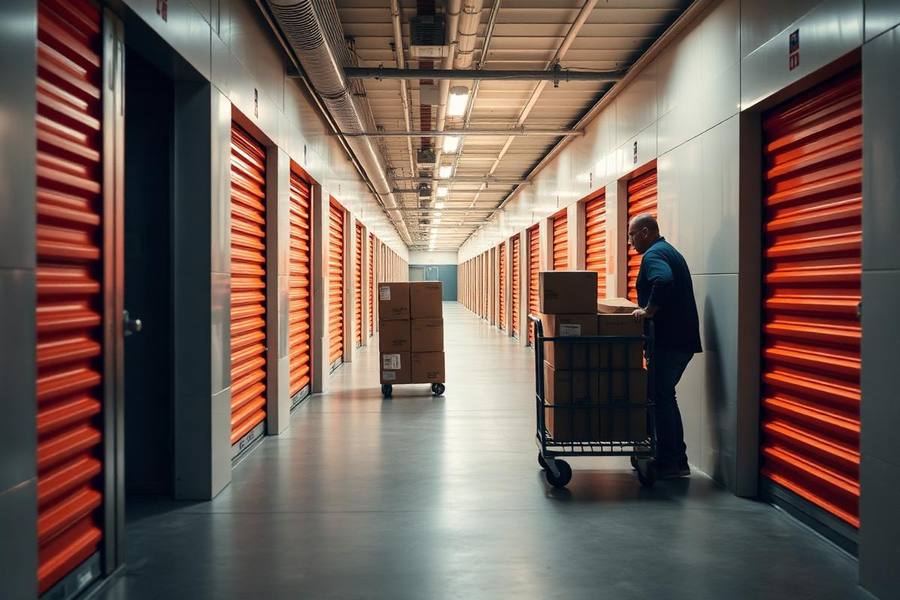
What sizes actually hold, real price ranges by area, coastal humidity, and the rate-increase trap.
Last updated
Storage in San Diego is priced by size, location, and floor level, and the county spread is wide: expect roughly $60 to $130 a month for a 5x5 locker, $110 to $220 for a 5x10, $180 to $350 for a 10x10, and $250 to $500 for a 10x20 that fits a full household, with coastal and central facilities running well above East County and inland North County for the same unit. Nearly every operator advertises a low first-month teaser rate and then raises the rent within three to six months, so ask directly what the standard rate is after the promotion and expect annual increases; month-to-month terms mean you can move, and threatening to leave often gets the increase reversed. Climate control matters more near the coast than people expect — persistent marine humidity is hard on paper, electronics, leather, wood furniture, and anything upholstered — while an inland non-climate unit is fine for tools, patio furniture, and plastic bins. Facilities require insurance and will sell you a policy, but your renters or homeowners policy may already cover off-premises belongings, so check before buying theirs. Look at gate hours, drive-up versus interior access, elevator availability, and whether the unit is on the ground floor before comparing prices.
| Size | Roughly holds | Typical monthly range |
|---|---|---|
| 5x5 | Closet contents, boxes, seasonal gear | $60-$130 |
| 5x10 | Studio apartment, mattress set, boxes | $110-$220 |
| 10x10 | One-bedroom apartment | $180-$350 |
| 10x15 | Two-bedroom home | $220-$420 |
| 10x20 | Three-bedroom home or a car | $250-$500 |
Price per square foot is only part of it. These factors decide whether you'll be annoyed every visit.
Drive-up units cost more but save enormous time if you access them often. Interior units on upper floors are cheapest and fine for long-term storage you rarely touch — just confirm elevator size and cart availability.
Marine layer humidity in the beach communities causes mildew on upholstery, warped wood, and corroded electronics over months. Inland heat is the opposite problem for candles, vinyl, and anything with adhesive. Pay for climate control if you're storing anything you care about.
Gate hours vary from 6am-10pm to 24-hour access. Look for individually alarmed units, good lighting, real camera coverage, and an on-site manager during business hours.
Facilities require coverage and offer their own plan for $10 to $30 a month. Call your renters or homeowners insurer first — off-premises coverage is often already included at a percentage of your contents limit.
California self-storage law lets facilities auction contents after a defined delinquency and notice period. Keep your address current with them and never assume a missed payment will be quietly carried.
Ask what the rate becomes in month two and what typical annual increases look like. When the increase letter arrives, call and ask for the current new-customer rate — operators frequently grant it rather than lose the unit.
The same unit in Santee, El Cajon, or Escondido can run substantially less than Point Loma or downtown. If you access it monthly rather than weekly, the drive is worth the savings.
Most people rent one size larger than they need. Stack to the ceiling with uniform boxes, disassemble furniture, and leave a narrow center aisle — a well-packed 5x10 often replaces a half-empty 10x10.
Given the local military population and the university calendar, discounts for both are common but frequently unadvertised. Ask.
Container-delivery services can be cheaper than a truck rental plus a storage unit when you're between homes, and they eliminate double handling of everything you own.
Roughly $60 to $130 a month for a 5x5, $180 to $350 for a 10x10, and $250 to $500 for a 10x20, with coastal and central facilities priced well above inland ones.
Near the coast, yes for furniture, electronics, paper, and anything upholstered — marine humidity causes mildew over time. Inland, non-climate units are fine for tools, bins, and outdoor gear.
Almost certainly. Introductory rates typically rise within three to six months and increase periodically after that. Month-to-month terms let you negotiate or move, and calling to ask for the current promotional rate often works.
Facilities require it and sell their own policy, but many renters and homeowners policies already cover belongings stored off-premises. Check with your insurer before buying the facility's coverage.
The Sandi Spots Newsletter
New beach finds, hidden taco shops, weekend events, and seasonal guides — once a week from a local. No spam, ever.
One email a week. Unsubscribe anytime.
Published by the Sandi Spots Editorial team at Sleep Coast LLC. Guides combine local perspective and source research. Check the individual guide for firsthand observations and follow official links to confirm current details.