Rum Row off Point Loma
Point Loma · 1920s
Supply schooners anchored outside the three-mile limit and small boats ran the last leg into coves at night. Fog and the kelp line did most of the hiding.
We use cookies for essential site functions and, with your permission, for analytics and advertising. California residents can opt out of the sale or sharing of personal information at any time. See our Privacy Policy, Cookie Policy, and Do Not Sell or Share My Personal Information.
Rum boats off Point Loma, a border town built on thirst, and the downtown buildings that still carry the story.
Last updated
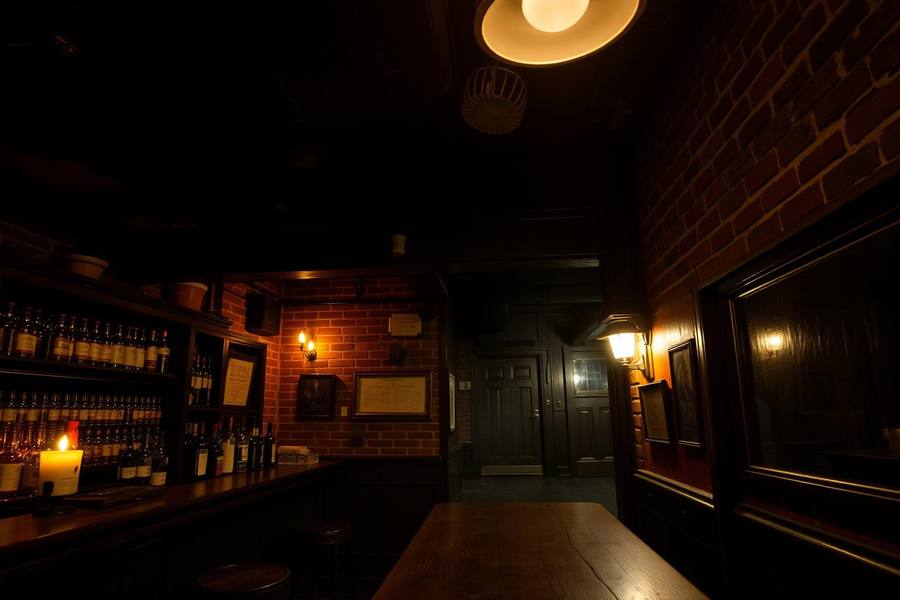
Prohibition (1920–1933) did something to San Diego it did to almost nowhere else: it handed the party to another country twenty miles south. Legal drinking in Tijuana turned a dusty border settlement into a resort economy, culminating in the 1928 Agua Caliente casino and racetrack, where Hollywood arrived by private rail car. On the San Diego side, the coastline's coves and the fog bank off Point Loma made rum-running from Canadian and Mexican boats routine, and the era's most famous vessel — the SS Monte Carlo, a concrete gambling ship — later washed up on Coronado's beach, where it still surfaces after big winter swells. Downtown, the Gaslamp's brick basements and a handful of Stingaree-era buildings survive; several bars trade on speakeasy branding today, though very few can document an actual Prohibition-era operation.
| Site | What happened | Today |
|---|---|---|
| Coronado shoreline | Gambling ships anchored offshore | SS Monte Carlo wreckage surfaces after storms |
| Gaslamp Quarter | Stingaree-era saloons and basements | Bars, some with speakeasy branding |
| Tijuana / Agua Caliente | 1928 casino resort boom | Racetrack grounds and a school campus |
| Point Loma coves | Landing spots for smuggled liquor | Cabrillo National Monument and parkland |
| Hotel del Coronado | Hollywood guests crossing the border | Historic hotel, open to visitors |
Rates and availability change daily, so we link the guide rather than quote a price. Each page compares walkable, short-drive and budget options with parking and resort fees called out.
San Diego's geography — long coastline, thin patrol coverage, an international border — made enforcement close to hopeless.
Point Loma · 1920s
Supply schooners anchored outside the three-mile limit and small boats ran the last leg into coves at night. Fog and the kelp line did most of the hiding.
Coronado · Wrecked 1937
A concrete-hulled gambling ship that operated offshore, broke its moorings in a New Year's storm and grounded on Coronado's beach. Big winter swells still expose the hull.
Gaslamp Quarter · Pre-1920 red-light district
Downtown's vice district was already infamous before Prohibition; the era simply pushed what was left of it underground and behind unmarked doors.
South Bay · Folklore-heavy
Smuggling routes through the Tijuana River valley are well documented; the elaborate tunnel maps that get passed around are mostly not.
Tijuana · Opened 1928
A casino, hotel, spa and racetrack built for American money. Rita Hayworth was discovered dancing there. Mexico's 1935 casino ban ended it; parts of the grounds are now a school.
Tijuana · Then and now
The main drag grew up around thirsty visitors and never really stopped — today it's the entry point for the city's craft beer and Baja Med scenes instead.
Tijuana · 1924
Invented at Caesar's on Revolución for a Fourth of July rush of American customers. One of the few Prohibition-era claims with solid support.
Yes. The combination of an ocean approach, an international border and limited Coast Guard coverage made the region one of the busiest rum-running corridors on the West Coast.
Sometimes. The concrete hull sits under the sand off Coronado's shoreline near the Hotel del Coronado and becomes visible after large winter swells strip sand from the beach.
Several bars use the theme, but very few can document a Prohibition-era operation in the same space. Treat it as decor unless a bar publishes its history.
American Prohibition made legal drinking, gambling and horse racing an easy day trip. Agua Caliente opened in 1928 to capture that traffic and drew Hollywood regulars until Mexico banned casinos in 1935.
The Sandi Spots Newsletter
New beach finds, hidden taco shops, weekend events, and seasonal guides — once a week from a local. No spam, ever.
One email a week. Unsubscribe anytime.
Published by the Sandi Spots Editorial team at Sleep Coast LLC. Guides combine local perspective and source research. Check the individual guide for firsthand observations and follow official links to confirm current details.