Reserve study, percent funded
The most important number in the packet. Above 70 percent funded is healthy, 30 to 70 is workable but watch the schedule, and under 30 percent means an assessment is a question of when, not if.
We use cookies for essential site functions and, with your permission, for analytics and advertising. California residents can opt out of the sale or sharing of personal information at any time. See our Privacy Policy, Cookie Policy, and Do Not Sell or Share My Personal Information.
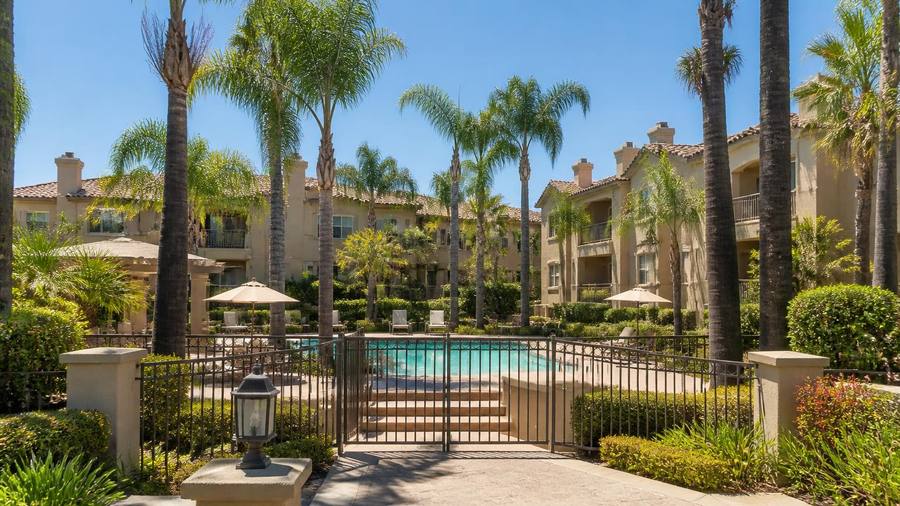
Typical monthly ranges by property type, how to read the reserve study, and the documents that reveal a bad association in ten minutes.
Last updated
San Diego HOA dues typically run $250 to $500 a month for a standard condo, $150 to $350 for a townhome or planned-development single-family home, and $600 to $1,200-plus for high-rise downtown buildings with concierge, elevators, and structural insurance. The number by itself means nothing — what matters is what it covers and whether the reserves are funded. A $650 fee that includes water, trash, master insurance, and a fully funded roof reserve can be cheaper in real terms than a $300 fee at a complex heading into a special assessment. Since the Surfside collapse, lenders and insurers scrutinize reserves hard, and a poorly funded association can make units difficult to finance, which crushes resale. During your contingency period you are entitled to the HOA document package: read the reserve study's percent-funded figure, the last twelve months of board minutes, the budget, and the litigation disclosure. Percent funded above 70 is healthy, below 30 is a warning, and any active construction-defect litigation is a financing problem you need to understand before you remove contingencies.
| Property type | Typical monthly dues | Usually includes |
|---|---|---|
| Planned-development SFR | $100–$250 | Common area landscaping, maybe a pool |
| Townhome | $250–$450 | Exterior, roof, landscaping, master insurance |
| Standard condo | $300–$550 | Water, trash, exterior, master insurance, pool |
| Older beach condo | $400–$700 | Salt-air maintenance drives this higher |
| Downtown high-rise | $600–$1,200+ | Concierge, elevators, gym, structural insurance |
| Luxury high-rise | $1,200–$2,500 | Valet, security, extensive amenity staff |
| Active-adult 55+ community | $300–$600 | Clubhouse, activities, some maintenance |
| Special assessment, typical | $3,000–$40,000 one-time | Roofs, plumbing repipe, deck and balcony work |
The most important number in the packet. Above 70 percent funded is healthy, 30 to 70 is workable but watch the schedule, and under 30 percent means an assessment is a question of when, not if.
Minutes tell you what the budget hides — leaks nobody fixed, a contentious board, unpaid dues rates, an insurance renewal that doubled. Read them all, they are short.
Active construction-defect litigation can make a unit unfinanceable with conventional loans. It is not automatically disqualifying, but you need your lender's position in writing before you remove contingencies.
If more than 15 percent of owners are behind on dues, the association's cash flow is fragile and FHA and VA approval get complicated.
Master policy deductibles have climbed sharply, and a $100K deductible can be passed to owners. Ask what your HO-6 walls-in policy actually needs to cover.
If more than half the units are rentals, financing tightens. If you plan to rent it out someday, confirm the cap before you buy — waitlists are common.
Corrosion on railings, decks, and structural steel is dramatically faster within a mile of the ocean. Coastal complexes carry higher maintenance budgets for a real reason.
California's SB 326 requires periodic structural inspection of elevated exterior elements in condo buildings. Complexes that deferred this are now funding it, and that shows up as assessments.
Master policy premiums have jumped across California, and wildfire-exposed inland communities have seen carriers withdraw. This is currently the fastest-rising line item in most budgets.
Many older complexes bill water at the association level. San Diego water rates are among the highest in the state, so 'water included' is worth more here than it sounds.
Every staffed hour — concierge, valet, security — is a permanent monthly cost. A pool costs maintenance; a doorman costs a salary.
Complexes built from the 1960s through the early 80s are hitting galvanized-pipe failure. A full repipe is one of the most common six-figure assessments in the county.
Where condos and townhomes make the most sense at each price level.
Down payment help, and how HOA dues affect what you qualify for.
Dues belong in the buy column — here is how much they change the answer.
An agent who reads HOA packets carefully is worth their fee on a condo purchase.
Active-adult associations, what they include, and how the dues compare.
California law limits what an association can block, but the approval process still matters.
For a standard condo, $300 to $550 a month is typical in 2026. Townhomes and planned-development single-family homes run lower, roughly $100 to $450 depending on what the association maintains. Downtown high-rises start around $600 and climb past $1,200 where there is concierge and valet staffing.
No. A higher fee that covers water, trash, master insurance, exterior maintenance, and a well-funded reserve can be cheaper in total cost of ownership than a low fee at a complex that is deferring maintenance. Compare what is included and check the reserve study before judging the number.
In California, a board can generally raise regular assessments up to 20 percent above the prior fiscal year without member approval, and can impose emergency assessments in specific situations. Larger increases and most special assessments over 5 percent of the budget require a member vote.
It is a one-time charge to fund something the reserves cannot cover — a roof, a repipe, deck repairs, a legal settlement. Likelihood tracks almost directly with the reserve study's percent-funded figure. Under 30 percent funded with an aging building, plan on it.
Yes. Lenders include monthly dues in your debt-to-income calculation, so a $500 fee reduces your borrowing power meaningfully — often by $75,000 to $100,000 of purchase price. Two units at the same list price with different dues are not the same purchase.
The current budget, the most recent reserve study, twelve months of board meeting minutes, the CC&Rs and rules, the insurance certificate with deductibles, the litigation disclosure, the delinquency report, and the rental cap status. California requires the seller to provide most of this; read all of it during your contingency period.
The Sandi Spots Newsletter
New beach finds, hidden taco shops, weekend events, and seasonal guides — once a week from a local. No spam, ever.
One email a week. Unsubscribe anytime.
Published by the Sandi Spots Editorial team at Sleep Coast LLC. Guides combine local perspective and source research. Check the individual guide for firsthand observations and follow official links to confirm current details.