Income-qualified programs first
California's equity-focused clean vehicle programs pay far more than standard rebates for households under the income thresholds, and they often include charging credit. Check eligibility before anything else.
We use cookies for essential site functions and, with your permission, for analytics and advertising. California residents can opt out of the sale or sharing of personal information at any time. See our Privacy Policy, Cookie Policy, and Do Not Sell or Share My Personal Information.
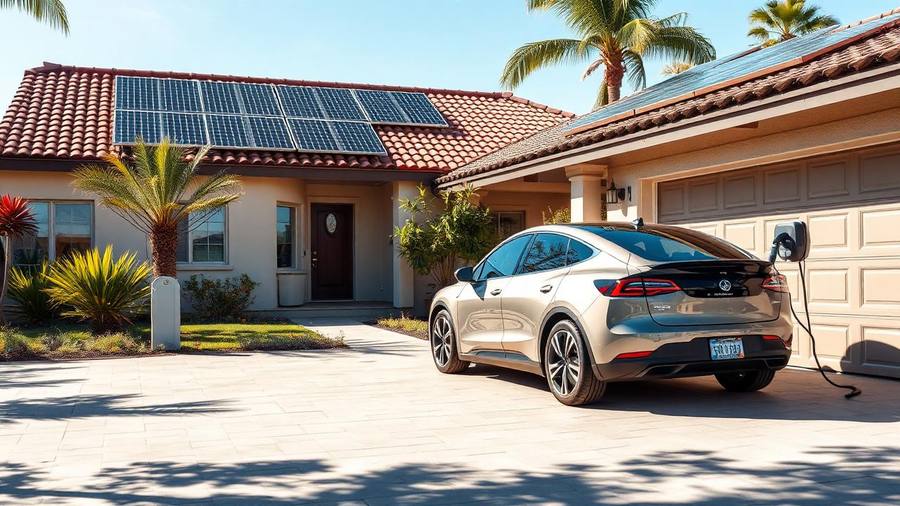
Vehicle rebates, charger money, SDG&E rate plans, and the paperwork order that keeps you eligible.
Last updated
San Diego EV buyers should look at four separate buckets, and they stack: a state vehicle rebate or income-qualified replacement program, utility money from SDG&E for a home charger and the electrical work behind it, a Clean Air Vehicle decal for solo HOV access on I-15 and I-805, and a time-of-use rate plan that cuts your charging cost by more than half. The rate plan is the one people skip and it is usually worth the most over time: SDG&E's EV time-of-use plans price overnight super-off-peak power far below the on-peak rate, so charging after midnight instead of at 6 p.m. can cut a full charge from roughly $18 to about $7. Order matters — apply for rebates and confirm eligibility before you buy the car or pull the charger permit, because almost every program excludes purchases and installations made before approval. Income-qualified San Diegans should start with the state's clean vehicle replacement and equity programs, which are worth several times the standard rebate.
| Program type | Typical value | Key condition |
|---|---|---|
| State vehicle rebate / equity program | $1,000–$12,000 | Income caps; apply before or right after purchase |
| Utility home charger rebate | $0–$1,500 | SDG&E program terms change; check current round |
| Panel / wiring upgrade help | Up to ~$2,000 | Often bundled into charger programs |
| SDG&E EV time-of-use rate | $500–$900/yr saved | Free to switch; charge after midnight |
| Clean Air Vehicle HOV decal | $22 fee | Solo access to I-15 Express and I-805 HOV |
| Used EV incentives | $1,000–$4,000 | Income-qualified programs and dealer participation |
| Charger install permit (City of SD) | $100–$300 | Required; expedited EV permitting available |
| Level 2 charger + install | $1,200–$2,800 | Higher with a panel upgrade |
Rates and availability change daily, so we link the guide rather than quote a price. Each page compares walkable, short-drive and budget options with parking and resort fees called out.
California's equity-focused clean vehicle programs pay far more than standard rebates for households under the income thresholds, and they often include charging credit. Check eligibility before anything else.
Retiring an older high-polluting car and replacing it with a clean vehicle carries the biggest single grants available in the region. Apply and get approval before you scrap the old car.
Several programs cover used battery-electrics and plug-in hybrids from participating dealers, which is where the value is for most San Diego households. Confirm the dealer participates before negotiating.
Some incentives are applied at the dealership instead of reimbursed later. Ask specifically whether the discount you are being quoted is a rebate you must file for yourself.
Nearly every program has both an income ceiling and a vehicle price ceiling. A loaded trim can push you out of eligibility for a few thousand dollars of options.
State EV programs have been restructured repeatedly. Confirm the current program, funding status, and application window before you count on any number here.
A standard 120V outlet adds roughly 40 miles overnight. If your commute is under 35 miles a day — which describes most of the county — you may never need a Level 2 charger.
$1,200–$2,800 installed for the charger, a 240V circuit, and permit. Costs jump if the panel is full or the run from the panel to the garage is long.
Older Clairemont, North Park, and Normal Heights homes on 100-amp service often need an upgrade at $2,500–$5,000. Load-management devices can sometimes avoid it entirely — ask the electrician about that option first.
The City of San Diego requires a permit for a Level 2 charger and has an expedited EV permitting path. Unpermitted work jeopardizes rebates and can surface at resale.
California law gives renters and condo owners the right to install charging at their own expense subject to reasonable conditions. Get the HOA or landlord approval in writing before ordering equipment.
Under current net billing rules, daytime solar export earns little, so charging during solar production hours is usually better economics than exporting. A home battery changes this math substantially.
SDG&E's EV rate plans have a deep super-off-peak window overnight. Setting your car to start charging after midnight is the single highest-return five minutes of setup an EV owner in San Diego can spend.
Weekday late-afternoon and evening power is the most expensive of the day here. Never schedule charging then, and shift the dryer and dishwasher too while you are in the app.
The DMV decal allows solo driving in HOV and express lanes, which matters most on I-15 between Escondido and downtown. Program terms and eligible vehicle lists change — verify before buying for this reason alone.
DC fast charging in San Diego typically runs two to four times home overnight rates. Treat it as road-trip infrastructure, not a daily plan.
EVs pay an annual road improvement fee at registration in place of gas tax, and they are permanently exempt from smog checks.
EVs cost slightly more to insure and go through tires faster because of weight and torque. Budget for it so the fuel savings math stays honest.
Four stacking buckets: a state vehicle rebate or income-qualified replacement grant, SDG&E home charger and electrical upgrade incentives, a Clean Air Vehicle HOV decal, and an EV time-of-use electricity rate. Program amounts and funding change frequently, so confirm current terms before purchasing.
SDG&E has run charger and charging-infrastructure programs with rebates on the equipment and the wiring behind it, including help toward panel work in some rounds. Funding opens and closes, so check the current program page and apply before you install.
On an EV time-of-use plan charging overnight, a full charge on a typical 60–75 kWh battery costs roughly $7–$12. Charging during weekday peak hours can cost two to three times that, and DC fast charging in public costs more still.
Yes. A Level 2 charger installation requires an electrical permit from the City of San Diego, which offers an expedited path for EV charging. Skipping the permit can void rebate eligibility and cause problems at resale.
Yes, battery-electric vehicles are permanently exempt from smog checks. They do pay an annual road improvement fee at registration in place of the gas tax they do not contribute.
California law gives renters and condo owners the right to install charging at their own expense, subject to reasonable conditions like insurance and approved contractors. Get written approval and follow the process before purchasing equipment.
The Sandi Spots Newsletter
New beach finds, hidden taco shops, weekend events, and seasonal guides — once a week from a local. No spam, ever.
One email a week. Unsubscribe anytime.
Published by the Sandi Spots Editorial team at Sleep Coast LLC. Guides combine local perspective and source research. Check the individual guide for firsthand observations and follow official links to confirm current details.