Rhône reds lead
Syrah, Grenache, Mourvèdre, and Petite Sirah handle the heat and produce the region's most consistent wines. If you only taste one category, taste these.
We use cookies for essential site functions and, with your permission, for analytics and advertising. California residents can opt out of the sale or sharing of personal information at any time. See our Privacy Policy, Cookie Policy, and Do Not Sell or Share My Personal Information.
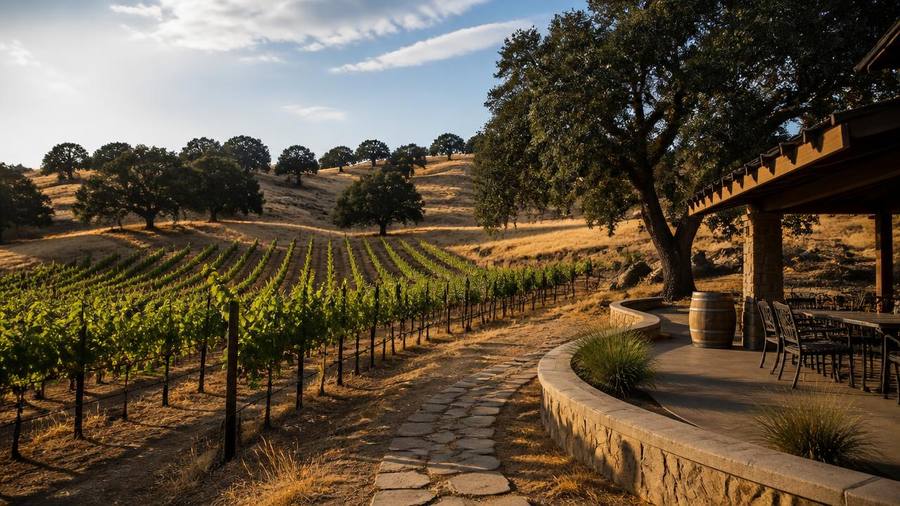
San Diego's own AVA: 45 minutes from downtown, a fraction of the crowds.
Last updated
Ramona Valley is a federally recognized American Viticultural Area about 40 to 50 minutes northeast of downtown San Diego, and it is the closest real wine country to the city — Temecula is roughly twice as far. The AVA holds dozens of small, mostly family-run vineyards at 1,400 to 2,500 feet where hot days and cool nights favor Rhône and Italian varietals: Syrah, Grenache, Petite Sirah, Sangiovese, Tempranillo, Viognier, and Albariño rather than the Cabernet-heavy lineups of larger regions. Tastings typically run 15 to 30 dollars for five or six pours, often waived with a bottle purchase, and most tasting rooms are open Friday through Sunday only, with limited Thursday hours. Because operations are tiny, reservations matter for groups of four or more and many places cannot accommodate large parties at all. A good day is three wineries, a picnic, and a stop in Ramona town or a detour to Julian for pie — and you need a designated driver, since there is no transit and rideshare coverage out there is thin and expensive.
| Option | Drive from downtown | Best for |
|---|---|---|
| Ramona Valley | 40–50 min | Small family wineries, Rhône and Italian varietals, no crowds, real vineyard views |
| Temecula Valley | 70–90 min | Big resort wineries, live music, weddings, limo and party-bus scene |
| Escondido / San Pasqual | 35–45 min | A couple of larger estates plus Orfila, easy to pair with the Safari Park |
| Julian and backcountry | 60–75 min | Cider, a few high-elevation vineyards, apple pie, mountain air |
| Urban tasting rooms | 0–20 min | No driver needed, warehouse wineries, walkable with breweries |
Rates and availability change daily, so we link the guide rather than quote a price. Each page compares walkable, short-drive and budget options with parking and resort fees called out.
Elevation and a big day-night temperature swing set the style.
Syrah, Grenache, Mourvèdre, and Petite Sirah handle the heat and produce the region's most consistent wines. If you only taste one category, taste these.
Sangiovese, Montepulciano, and Nebbiolo appear across the valley and pair with the region's warm-climate acidity.
Tempranillo, Albariño, and Verdejo have quietly become some of the best bottles in the AVA, especially the whites.
Decomposed granite drains hard and vines sit at 1,400 to 2,500 feet, which concentrates fruit and keeps nighttime acid intact.
Many wineries make a few hundred cases per bottling. Bottles sell out at the tasting bar and never reach a store shelf.
Some rooms pour fruit sourced from outside the county. Ask what's estate or Ramona-grown if the point of the trip is tasting the AVA.
Two routes in, and the one you pick changes the day.
The standard route from central San Diego. Straightforward, some traffic through Lakeside, roughly 45 minutes from downtown.
Comes in from the north and lets you stack San Pasqual Valley wineries or the Safari Park on the same trip.
Continue past Ramona for pie, cider, and mountain towns. Adds about 30 minutes each way but makes a full day trip.
Wineries are spread over miles of two-lane road with 10-to-20-minute hops. Four stops means rushing and pouring out tastes.
Backcountry summer afternoons run 90 to 100 degrees. Bottles left in a hot car are ruined bottles.
Coverage is patchy at some vineyards and a few small rooms still prefer cash for tips. Download directions before you leave.
These are farms with a bar, not resorts.
Expect 15 to 30 dollars for five or six pours, commonly credited toward a bottle. Buying one bottle usually makes the tasting free.
Parties of four or more should call ahead. Many rooms cap group size and some decline limos and party buses outright.
Some sell cheese boards, most let you picnic on the patio, few serve real meals. Pack lunch or eat in Ramona town.
Working farms often welcome both on the patio and neither inside. Ask when you call.
Small-winery clubs are the only reliable way to get allocated bottles, and members get free tastings for a couple of guests.
Friday through Sunday is the operating window for most tasting rooms. A Tuesday drive out there will find locked gates.
About 40 to 50 minutes from downtown San Diego via Highway 67, or 35 to 45 minutes from Escondido via Highway 78. It's the closest wine region to the city — roughly half the drive to Temecula.
Different, not strictly better. Ramona is smaller, closer, quieter, and focused on family-run Rhône and Italian varietals. Temecula has bigger estates, live music, restaurants, and a party-bus culture. Pick Ramona for tasting, Temecula for a scene.
Rhône reds — Syrah, Grenache, Petite Sirah — plus Italian varietals like Sangiovese and increasingly Spanish grapes such as Tempranillo and Albariño. The high-elevation granite soils and big day-night temperature swing suit warm-climate grapes.
Typically 15 to 30 dollars for a flight of five or six pours, and most wineries waive or credit the fee with a bottle purchase.
Solo visitors and pairs can usually walk in on a weekend, but groups of four or more should reserve. Many tasting rooms are small enough that they cap group size or turn away buses.
Most open Friday through Sunday only, with a few adding Thursday hours. Always check current hours before driving out midweek.
Not practically. There's no transit service and rideshare availability in the backcountry is thin and expensive. Either bring a designated driver or book a private tour.
Craft spirits, tasting rooms, and cocktail bars attached to stills.
Warehouse wineries and tasting bars inside the city.
Where the beans are actually roasted, plus tours and cuppings.
The sweet side — panaderías, pastry counters, and scoop shops.
The bigger region an hour further north.
Pie, cider, and mountain air 30 minutes past Ramona.
The Sandi Spots Newsletter
New beach finds, hidden taco shops, weekend events, and seasonal guides — once a week from a local. No spam, ever.
One email a week. Unsubscribe anytime.
Published by the Sandi Spots Editorial team at Sleep Coast LLC. Guides combine local perspective and source research. Check the individual guide for firsthand observations and follow official links to confirm current details.