Argentine ants
The defining San Diego pest. They form supercolonies and move indoors for water in dry heat and for shelter in the first rains. Spraying the trail kills the visible ants and does nothing to the colony — baiting is what works.
We use cookies for essential site functions and, with your permission, for analytics and advertising. California residents can opt out of the sale or sharing of personal information at any time. See our Privacy Policy, Cookie Policy, and Do Not Sell or Share My Personal Information.
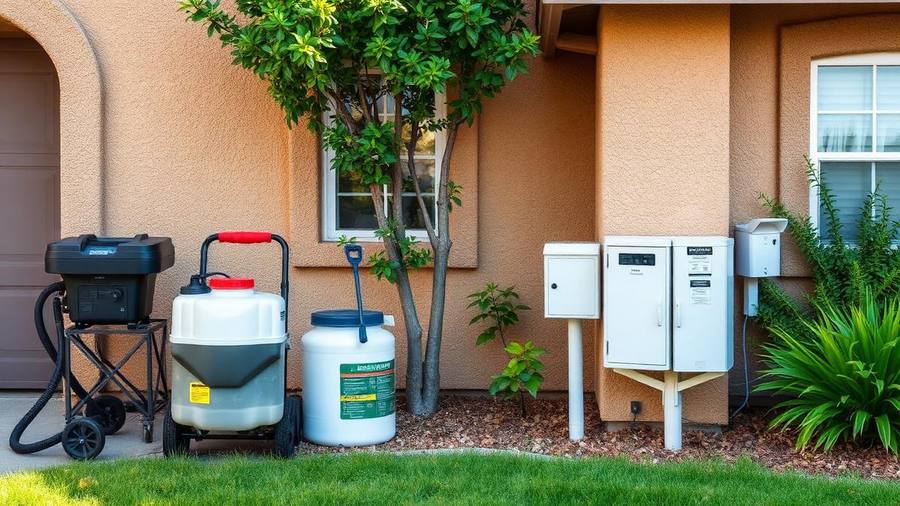
Argentine ants every October rain, drywood termites in every old stucco home, and roof rats in the palms.
Last updated
Expect $80–$150 a visit for bimonthly general pest service after a $150–$300 initial treatment, $250–$600 for a one-time ant or spider treatment, and $300–$600 for a rodent exclusion job plus trapping. Termites are the big-ticket item: San Diego's dominant species is the drywood termite, and whole-structure fumigation — the tent — runs $2,500–$6,000 for a typical single-family home, while localized spot treatments like orange oil or foam run $300–$1,500 per area but only treat what the inspector found. Argentine ants surge indoors with the first fall rain and again in dry mid-summer, roof rats live in palm and fan-palm crowns across the older neighborhoods, and rattlesnakes turn up in canyon-adjacent yards from spring to fall. Every company must hold a Structural Pest Control Board license; verify it at pestboard.ca.gov, and always get two independent termite inspections before agreeing to a tent.
| Service | Typical cost | Notes |
|---|---|---|
| Initial general treatment | $150–$300 | First visit is always priciest |
| Bimonthly general service | $80–$150/visit | Most common residential plan |
| Quarterly service | $120–$200/visit | Adequate for low-pressure homes |
| One-time ant treatment | $250–$600 | Argentine ants need perimeter + baiting |
| Termite inspection | Free–$200 | Free if tied to a sales pitch; paid ones are more objective |
| Whole-structure fumigation (tent) | $2,500–$6,000 | Priced by cubic footage |
| Localized termite treatment | $300–$1,500 | Only treats identified areas |
| Subterranean termite barrier | $1,200–$3,500 | Less common here than drywood |
| Rodent exclusion + trapping | $300–$600 | Sealing entry points is the actual fix |
| Attic cleanout / insulation replace | $1,500–$5,000 | After heavy rodent infestation |
| Bed bug heat treatment | $1,200–$3,000 | Whole-home; chemical-only often fails |
| Bee/wasp removal | $150–$500 | Live honeybee removal costs more, worth it |
The defining San Diego pest. They form supercolonies and move indoors for water in dry heat and for shelter in the first rains. Spraying the trail kills the visible ants and does nothing to the colony — baiting is what works.
They live entirely inside the wood with no soil contact, which is why fumigation is so common here. Signs are pellet piles that look like coffee grounds, and discarded wings around windows after a warm evening swarm.
Climb, nest in palm crowns, attics, and ivy, and get in through gaps as small as a quarter. Trapping without sealing entry points is a subscription, not a solution.
An apartment and kitchen problem spread by moving boxes and used appliances. Requires baiting and sanitation, not just spraying.
Extremely common in garages, block walls, and patio furniture. Rarely worth chemical treatment beyond routine perimeter service and knocking down webs.
Canyon-adjacent yards from spring through fall. Removal services run $100–$250. Prevention means clearing brush and rodent food sources; snake fencing runs $25–$40 per linear foot.
Yard destroyers across East County and inland. Trapping is the effective and legal route; ongoing service runs $75–$200 a month during active seasons.
Year-round here because we never get a hard freeze. Treat the pet and the yard at the same time or the cycle restarts.
Fumigation is a several-thousand-dollar recommendation. A second opinion from a company that does not fumigate is the cheapest insurance you can buy.
California termite reports separate active infestation and damage (Section 1) from conditions likely to cause future problems (Section 2). Only Section 1 items are typically required in a real estate transaction.
Fumigation kills everything in the structure, including colonies nobody found. Spot treatments are cheaper and less disruptive but only address what the inspector located, so re-treatment is common.
Two to three days out of the house, all food and medication bagged or removed, plants and pets out, and you must arrange the gas shutoff and relight. Landscaping right against the walls sometimes gets damaged.
Treatment kills the insects; it does not fix eaten fascia, eaves, or window frames. Get the repair bid before you decide the total budget.
Termite work is negotiated in most San Diego home sales. If you are buying, order your own inspection rather than relying only on the seller's report.
Structural pest control companies are licensed by the California Structural Pest Control Board, not CSLB. Look up the company and the individual applicator at pestboard.ca.gov.
Many quarterly plans auto-renew annually with an early-cancellation fee. Ask what happens if you cancel after two visits.
California requires disclosure of the products applied. You are entitled to know what was sprayed and where.
Door sweeps, sealed utility penetrations, screened attic and foundation vents, and trimmed vegetation off the roofline do more than any chemical program.
Leaking hose bibs, irrigation overspray, and clogged gutters are what draw ants and rodents to a specific house on a block where nobody else has a problem.
Untrimmed palm skirts and ivy on walls are rat habitat. Trimming them is the single highest-value rodent prevention step in older San Diego neighborhoods.
Ask for enclosed bait stations instead of broadcast spraying, and never let anyone treat a honeybee swarm with pesticide — live removal beekeepers will take it.
Recurring general service runs $80–$150 per visit on a bimonthly plan after a $150–$300 initial treatment. One-time treatments for ants or spiders are $250–$600, and rodent exclusion with trapping is $300–$600.
Whole-structure fumigation typically runs $2,500–$6,000 for a single-family home, priced by cubic footage. Localized treatments run $300–$1,500 per treated area but only address the spots the inspector identified.
Argentine ants form massive interconnected colonies and move indoors when soil floods or dries out. Spraying the visible trail does not affect the nest — slow-acting bait that workers carry back to the colony is what actually reduces the population.
Very. Drywood termites are widespread across the county and most older homes will need treatment at some point. Coffee-ground-like pellet piles and discarded wings near windows are the classic signs.
Trap and seal at the same time. Roof rats get through openings the size of a quarter, so the exclusion work — sealing vents, roof-to-wall gaps, and utility penetrations, plus trimming palms and ivy away from the roof — is the permanent fix.
Ask for enclosed bait stations and targeted crack-and-crevice application instead of broadcast spraying, and request the product list, which California requires companies to disclose. Keep pets off treated surfaces until dry.
The Sandi Spots Newsletter
New beach finds, hidden taco shops, weekend events, and seasonal guides — once a week from a local. No spam, ever.
One email a week. Unsubscribe anytime.
Published by the Sandi Spots Editorial team at Sleep Coast LLC. Guides combine local perspective and source research. Check the individual guide for firsthand observations and follow official links to confirm current details.