Deep tissue
Slow, heavy pressure into chronically tight tissue. Effective for desk and driving-related neck and shoulder tension, but not the same as unfocused hard pressure — a good therapist works layer by layer.
We use cookies for essential site functions and, with your permission, for analytics and advertising. California residents can opt out of the sale or sharing of personal information at any time. See our Privacy Policy, Cookie Policy, and Do Not Sell or Share My Personal Information.
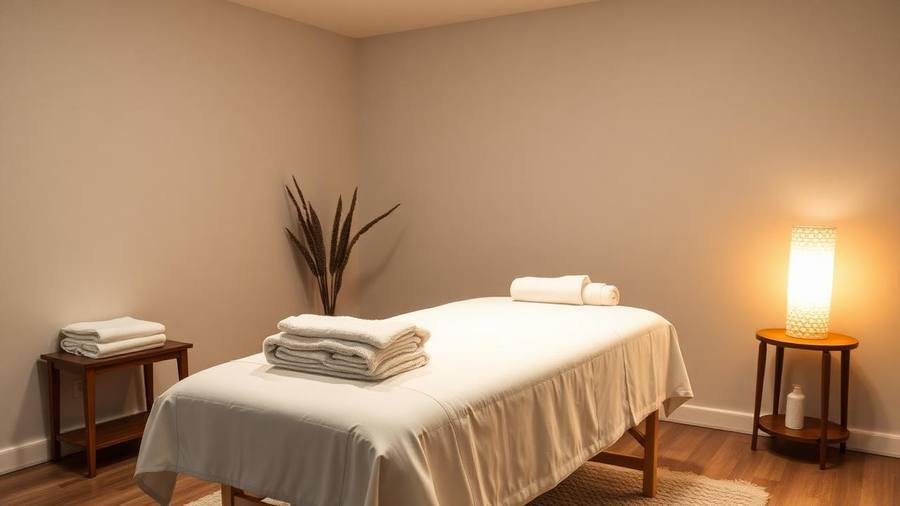
What certification to look for, what an hour really costs, and how therapeutic bodywork differs from a resort spa hour.
Last updated
California doesn't license massage therapists at the state level the way it licenses acupuncturists; instead, therapists hold voluntary certification through the California Massage Therapy Council as a CMT, and many cities layer their own permit requirements on top. Look for CMT certification plus specific training in whatever you need — deep tissue, sports, prenatal, lymphatic drainage, or myofascial release. In San Diego, expect roughly $90 to $150 an hour at an independent therapeutic practice, $70 to $110 at membership studios and chains once you're on a monthly plan, and $180 to $300 an hour at resort spas in La Jolla, Coronado, and Rancho Santa Fe where you're paying for the facility as much as the hands. Insurance rarely covers massage directly, though it may be covered when performed as part of a chiropractic or physical therapy plan of care, and HSA or FSA funds can often be used with a provider's letter of medical necessity. The practical distinction to make before you book: a therapeutic session is 60 to 90 minutes of focused work on one or two problem areas with homework afterward, while a spa massage is a full-body relaxation experience. Booking the second when you needed the first is the most common way people conclude massage 'doesn't work.'
| Setting | Typical hour rate | Best for |
|---|---|---|
| Independent therapeutic practice | $90-$150 | Specific injury or chronic tension |
| Membership studio | $70-$110 on plan | Regular monthly maintenance |
| Sports / recovery clinic | $110-$180 | Athletes, pre and post event |
| Resort spa | $180-$300 plus gratuity | Occasion, couples, facility access |
| Mobile therapist at home | $130-$220 | Post-op, new parents, convenience |
| Prenatal specialist | $100-$170 | Certified pregnancy bodywork |
Slow, heavy pressure into chronically tight tissue. Effective for desk and driving-related neck and shoulder tension, but not the same as unfocused hard pressure — a good therapist works layer by layer.
Shorter, more specific, timed around training. Pre-event is brisk and stimulating; post-event and recovery work is slower and targeted at the muscles you actually used.
Slower sessions aimed at movement restriction rather than soreness. Often the better choice for a nagging pattern that returns a week after every massage.
Requires specific certification and side-lying positioning. Confirm the therapist is trained and the practice has proper bolstering, and book early — prenatal slots go fast locally.
Very light, rhythmic technique with real post-surgical applications. If it's post-op, ask about training specific to your procedure and clear it with your surgeon.
PB, OB, and Encinitas have a lot of walk-in-friendly studios. The more specialized clinical practitioners concentrate in Hillcrest, North Park, UTC, and Solana Beach.
Booking a treatment at a Coronado or La Jolla resort spa often includes pool, sauna, and steam access for the day, which changes the value calculation for a special occasion.
Sixty minutes minus intake and getting settled is closer to 50 minutes of work. For a real problem area, the extra half hour is where progress happens.
Studio memberships are worth it if you'll genuinely go monthly or more; unused credits and cancellation friction are the common complaint otherwise.
Fifteen to 20% is standard at spas and studios. Independent practitioners who set their own clinical rates often don't expect a tip — ask, or check their booking page.
About $90 to $150 an hour at independent therapeutic practices, $70 to $110 on studio memberships, and $180 to $300 at resort spas.
There's no state license; therapists hold voluntary CMT certification through the California Massage Therapy Council, and cities may require local permits. Verify CMT status before booking.
Rarely on its own. It may be covered when delivered as part of a chiropractic or physical therapy plan of care, and HSA or FSA funds can often be applied with a letter of medical necessity.
Deep tissue for chronic tension patterns, sports massage if you're training and want work timed around sessions and events. Tell the therapist your goal and let them choose the technique.
Monthly is typical maintenance. When working through a specific problem, weekly or biweekly for three to four sessions and then reassess is a common plan.
Yes at most San Diego resort spas, and the treatment usually includes access to pool, sauna, and steam facilities for the day.
How to get established with primary care without waiting months.
Covered California, employer plans, Medi-Cal, and how networks work here.
Which system serves your area, and when urgent care beats the ER.
Resort spa day passes and treatments.
Often practiced alongside bodywork.
Contrast therapy studios around the county.
The Sandi Spots Newsletter
New beach finds, hidden taco shops, weekend events, and seasonal guides — once a week from a local. No spam, ever.
One email a week. Unsubscribe anytime.
Published by the Sandi Spots Editorial team at Sleep Coast LLC. Guides combine local perspective and source research. Check the individual guide for firsthand observations and follow official links to confirm current details.