Convoy and Kearny Mesa
The highest concentration of experienced tailors in the county, often inside dry cleaners and small strip-mall storefronts. Prices are the lowest and the work on structured garments is the most reliable.
We use cookies for essential site functions and, with your permission, for analytics and advertising. California residents can opt out of the sale or sharing of personal information at any time. See our Privacy Policy, Cookie Policy, and Do Not Sell or Share My Personal Information.
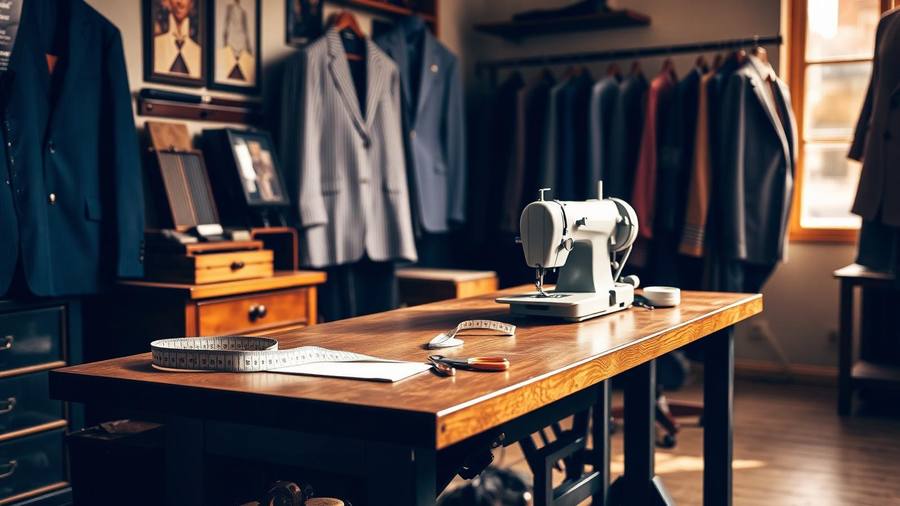
What each job costs, how long it takes, and which neighborhoods have the good shops.
Last updated
San Diego alterations pricing is fairly consistent across the county: $15 to $25 for a pant hem, $20 to $40 to taper a shirt, $30 to $60 to take in a jacket at the waist, $60 to $120 for sleeve shortening with working buttonholes, and $200 to $700 for a wedding dress depending on how much of the bodice moves. Turnaround is three to seven days at a normal shop and same-day or next-day for a 25 to 50 percent rush fee. The concentration of skilled tailors is on Convoy and in Kearny Mesa, with strong shops in Hillcrest, Little Italy, and along the North County coast in Encinitas and Carlsbad. Bring the shoes you will actually wear, wear the same undergarments you plan to wear, and expect two fittings for anything structural. Dry cleaners that advertise alterations often send the work out; shops with a visible machine and a fitting mirror do it in house.
| Job | Typical price | Turnaround |
|---|---|---|
| Pant hem (plain) | $15–$25 | 2–4 days |
| Pant hem (cuffed / jeans original) | $25–$45 | 3–5 days |
| Take in waist | $25–$45 | 3–5 days |
| Taper shirt body | $20–$40 | 3–5 days |
| Jacket sides / waist suppression | $40–$70 | 5–7 days |
| Jacket sleeve shortening | $40–$120 | 5–7 days |
| Dress hem (lined) | $35–$80 | 5–7 days |
| Wedding dress alterations | $200–$700 | 3–8 weeks, 2–3 fittings |
| Zipper replacement | $25–$60 | 3–5 days |
| Leather / suede repair | $60–$200 | 1–3 weeks |
Rates and availability change daily, so we link the guide rather than quote a price. Each page compares walkable, short-drive and budget options with parking and resort fees called out.
Alterations skill is concentrated in the same immigrant-run service corridors that handle the city's dry cleaning and shoe repair.
The highest concentration of experienced tailors in the county, often inside dry cleaners and small strip-mall storefronts. Prices are the lowest and the work on structured garments is the most reliable.
Walkable shops used to fast turnarounds, event dressing, and specialty work. Slightly higher prices than Convoy, much shorter drive if you live in the urban core.
Suit-focused tailors serving the office and wedding trade, including the shops that will rebuild a jacket rather than just take in the sides. Book ahead during wedding season.
North County coast shops handle wetsuit repair and surf-brand work alongside standard alterations — a genuinely local specialty you will not find inland.
Quinceañera and formalwear expertise, including full bodice reconstruction and beading, at a fraction of what a bridal salon charges for the same work.
Convenient and coordinated with your dress purchase, but typically the most expensive route. Independent bridal-experienced tailors run 30 to 50 percent less for the same alterations.
Alterations pay off on shoulders and fabric you cannot buy off the rack. They rarely rescue a garment that was the wrong size to begin with.
A jacket's shoulder line is the one thing that cannot be fixed affordably. If the shoulders fit, everything else — sleeves, sides, length — is routine tailoring.
This is where alterations earn their money. A $20 vintage blazer plus $60 of tailoring beats a $250 new jacket, which is why North Park's vintage shops and Convoy's tailors are effectively one system.
Ask for a retained original hem so the fade and stitching stay intact. It costs $10 to $20 more than a plain hem and looks like the pants came that way.
Two alterations — sleeve length and waist suppression — take an off-the-rack suit from obviously borrowed to intentional. Budget $100 to $180 total.
Coastal shops patch seams, replace zippers, and shorten legs on wetsuits. Far cheaper than replacing a suit that still has good rubber.
Fast-fashion pieces where the alteration costs more than the garment, anything needing the shoulders rebuilt, and knits that will not hold a new seam.
Most bad alteration outcomes trace back to the fitting, not the sewing.
Hem length is set from the shoe. Bring the exact heel height you will wear, especially for wedding and formal work.
For dresses and bridal, this changes the fit at the bust and waist enough to redo the work. Bring shapewear if you plan to wear it.
A tailor fits a dress for standing at a wedding differently than one for a long dinner. Tell them you will be dancing, sitting for hours, or carrying a baby.
Anything touching the waist, bust, or jacket body needs a second fitting. Only hems and simple tapers are reliably one-and-done.
Ask for a written ticket listing each alteration and the total before you leave. Wedding work in particular grows line item by line item.
Eight to twelve weeks for a wedding dress, three to four weeks for a suit, one week for everything routine. Rush fees run 25 to 50 percent when a shop can take it at all.
A plain pant hem runs $15 to $25, taking in a waist $25 to $45, tapering a shirt $20 to $40, jacket sides $40 to $70, and sleeve shortening $40 to $120 depending on whether the buttonholes are functional. Wedding dresses are the outlier at $200 to $700 for a typical set of alterations.
Three to seven days at a standard shop for routine work. Same-day or next-day service exists at Convoy, Kearny Mesa, and Hillcrest shops for a 25 to 50 percent rush fee. Wedding dresses need three to eight weeks and two or three fittings.
Little Italy and downtown shops focus on suiting and will do full jacket work rather than just side seams. Convoy and Kearny Mesa tailors do the same quality of work for less, and the Hillcrest shops are the fastest for a next-week deadline.
Typically $200 to $700, driven by how much of the bodice changes, whether the dress is beaded or lined, and whether a bustle is added. Independent bridal-experienced tailors usually charge 30 to 50 percent less than the salon that sold you the dress.
Yes. Ask for a retained or reproduced original hem, which cuts fabric from above the hem and reattaches the original edge. It costs roughly $25 to $45 versus $15 to $25 for a plain hem and preserves the fade line.
Many take alteration orders, but a portion send the work out to a third-party tailor, which adds time and a markup. Look for a visible sewing machine, a fitting mirror, and a tailor who pins you in the store — that shop does the work in house.
Barbers, salons, tattoo and piercing studios, thrift, consignment, swap meets, and tailors in one place.
Where to buy and sell secondhand designer clothing and furniture.
Studio-quality piercings, jewelry pricing, and healing timelines.
Neighborhood cleaners, eco-solvent options, and gown preservation.
If the dress is the next thing on a longer list.
The Sandi Spots Newsletter
New beach finds, hidden taco shops, weekend events, and seasonal guides — once a week from a local. No spam, ever.
One email a week. Unsubscribe anytime.
Published by the Sandi Spots Editorial team at Sleep Coast LLC. Guides combine local perspective and source research. Check the individual guide for firsthand observations and follow official links to confirm current details.