Ask when the fish came in
A shop proud of its sourcing will answer immediately. Hesitation is your answer too.
We use cookies for essential site functions and, with your permission, for analytics and advertising. California residents can opt out of the sale or sharing of personal information at any time. See our Privacy Policy, Cookie Policy, and Do Not Sell or Share My Personal Information.
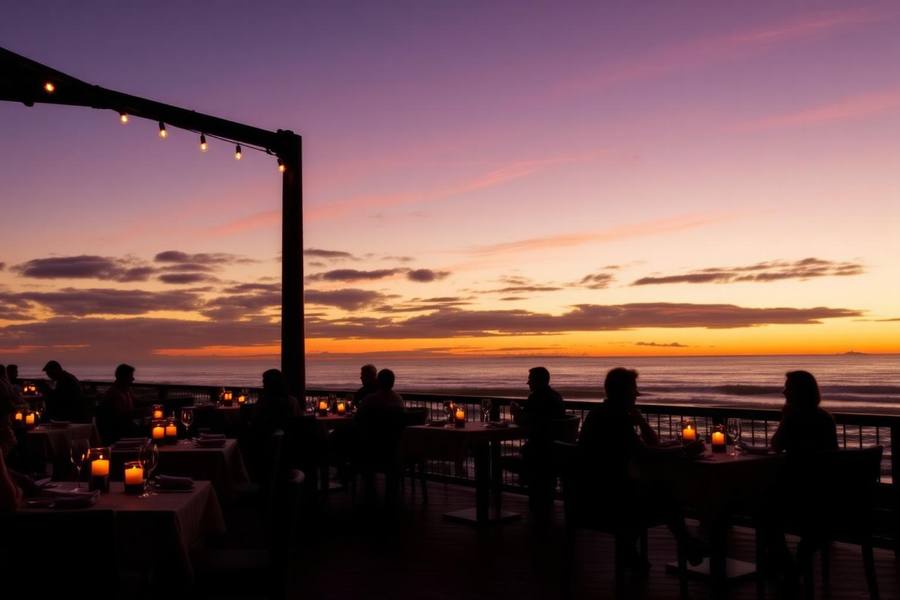
Hawaiian-style counters, fish-market bowls, and how to tell fresh ahi from freezer ahi.
Last updated
San Diego's poke splits between traditional Hawaiian-style counters that pre-mix a few classic preparations, fish markets in Point Loma and the coastal towns that sell poke made from the day's catch, and build-your-own bowl shops found in nearly every strip mall. Traditional counters and fish markets win on quality; build-your-own shops win on convenience and customization. The best indicator of a good bowl is simple — the shop should be able to tell you when the fish arrived and where it came from. Expect $14 to $20 for a solid bowl, more at fish markets pricing by the pound. Coastal Point Loma, Pacific Beach, Encinitas, and Oceanside have the strongest concentration.
| Type | Quality | Price |
|---|---|---|
| Hawaiian-style counter | High — classic shoyu and spicy preparations | $15 - $20 |
| Fish market poke case | Highest — day-boat fish, sold by weight | $18 - $28 |
| Build-your-own bowl shop | Varies — depends on turnover | $13 - $18 |
| Grocery poke bar | Convenient, inconsistent | $12 - $16 |
| Food truck / farmers market | Good when fish is fresh that morning | $14 - $18 |
Rates and availability change daily, so we link the guide rather than quote a price. Each page compares walkable, short-drive and budget options with parking and resort fees called out.
Five checks that take ten seconds each and predict the whole meal.
A shop proud of its sourcing will answer immediately. Hesitation is your answer too.
Fresh ahi is deep red to pink with a slight sheen. Uniform bright red often means treated with carbon monoxide.
Mushy or shredded corners mean the fish was frozen hard and thawed fast.
Classic shoyu poke needs soy, sesame oil, onion, and limu. Heavy mayo-based sauces can hide tired fish.
Warm, seasoned rice under cold fish is the traditional presentation and shows attention to detail.
Poke is everywhere, but a few pockets consistently deliver.
Fish markets near the commercial docks sell poke made from local catch, often the best in the county.
The densest cluster of Hawaiian-style counters, built for post-beach eating.
Surf-town poke shops with strong local followings and coastal fish sourcing.
Asian markets with poke cases that cater to a discerning crowd at fair prices.
Weekend market vendors selling fresh bowls alongside the seafood stalls.
Fish markets around Point Loma and Shelter Island generally have the freshest poke because they buy from the local commercial fleet. Hawaiian-style counters in Pacific Beach are the best sit-down option.
Typically $14 to $20 at a bowl shop and $18 to $28 at a fish market where poke is sold by the pound.
Ask when the fish arrived, look for deep natural color rather than uniform bright red, and check that the cubes hold clean edges.
Raw fish is generally not recommended during pregnancy. Most poke shops offer cooked shrimp, tofu, or chicken options instead.
The master list of San Diego restaurants ranked by locals.
Browse the whole dining scene by the kind of food you want tonight.
Every scored ranking we publish, from tacos to rooftop bars.
Where San Diego's raw fish scene gets serious.
The Sandi Spots Newsletter
New beach finds, hidden taco shops, weekend events, and seasonal guides — once a week from a local. No spam, ever.
One email a week. Unsubscribe anytime.
Published by the Sandi Spots Editorial team at Sleep Coast LLC. Guides combine local perspective and source research. Check the individual guide for firsthand observations and follow official links to confirm current details.